Category: Experiences

Hands-on experiences in Japan: rice planting and harvesting, woodland and nature activities, crafts and more.

  • Rice Planting and Harvest in the Terraced Fields of Tochikubo, Minamiuonuma

    Rice Planting and Harvest in the Terraced Fields of Tochikubo, Minamiuonuma

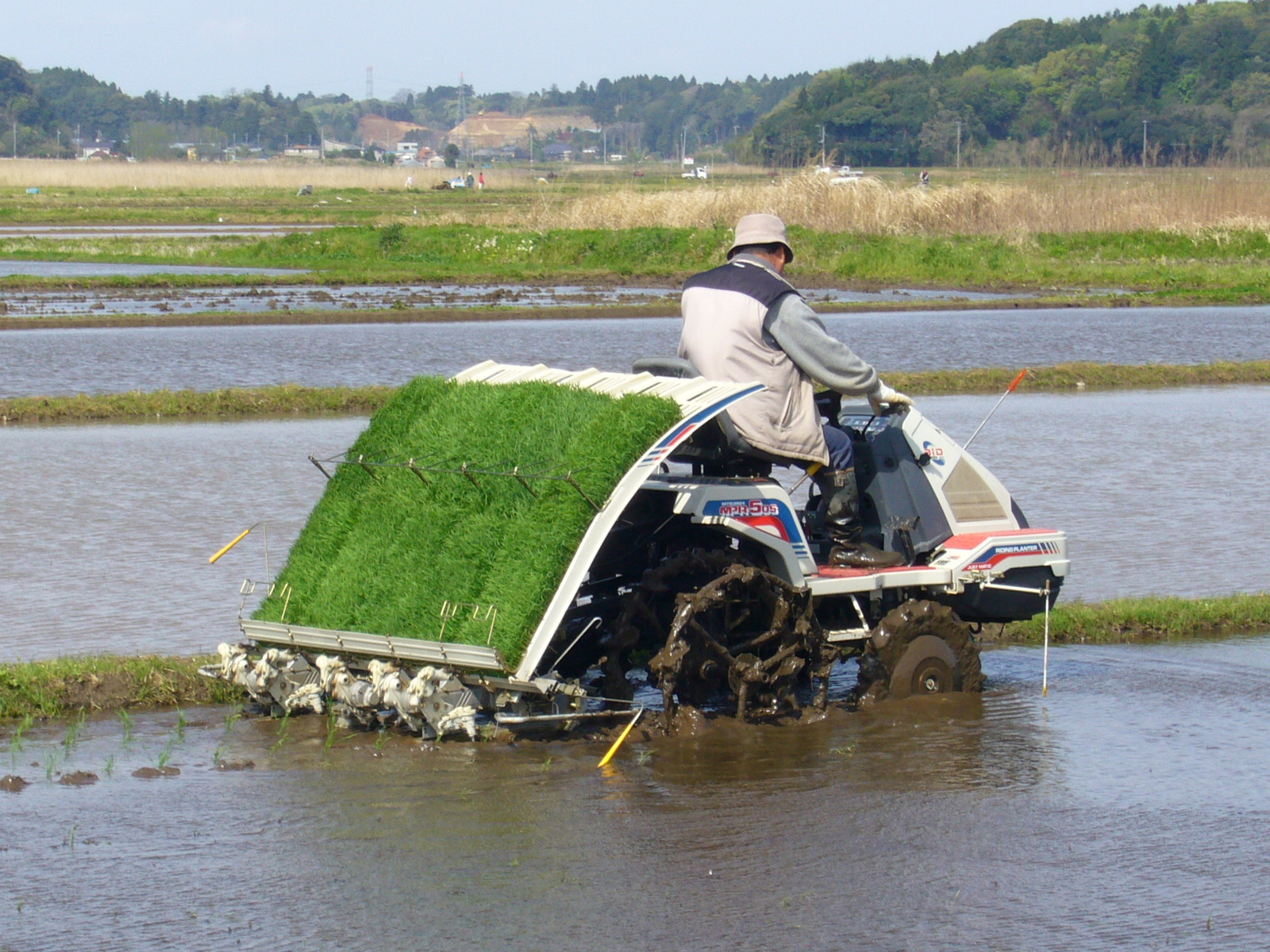
    Every grain of rice in Japan starts with a small green seedling pushed into the mud by hand or machine. On the terraced paddies of Tochikubo in Niigata, you can see where some of the country’s finest rice is grown.

    Disclosure: the founder of Deep Japan Adventure is involved in selling Higuma no Kome. We introduce it because we know the farm and its rice first-hand, and we want to be open about that connection.

    Rice from the snow country

    Minamiuonuma in Niigata Prefecture is one of the most famous rice-growing areas in Japan, known for its Koshihikari. In the hamlet of Tochikubo, on the Nishiyama side of Minamiuonuma, rice terraces climb the hillside at about 500 to 600 meters above sea level.

    Here the Higuma family has been growing rice for around 200 years. Their rice, sold as “Higuma no Kome” (Minamiuonuma Tochikubo terraced-field rice), is grown with snowmelt and spring water, with the water managed paddy by paddy. The big difference between warm days and cool nights in the mountains helps the rice develop its flavor.

    The farm is certified as an Eco-Farmer by Niigata Prefecture and its grower has been recognized as a Best Farmer at an international rice taste analysis competition. Beyond farming, the family works to protect the terraces and the surrounding mountains, which would quickly return to forest without constant care.

    Rice planting and harvesting

    In terraced fields like these, the year follows the rice:

    • Spring (around May): fields are flooded and seedlings are planted, often with the snow-capped mountains still in view.
    • Summer: weeding and careful water management as the rice grows tall and green.
    • Autumn (around September): the golden rice is cut, bundled and dried before the new-crop rice is shipped.

    Taking part in rice planting or harvesting is one of the best ways to understand Japanese food and rural life. You work barefoot in the mud, learn how to place the seedlings or use a sickle, and share a meal of rice with the people who grew it.

    How to join: dates, availability and details of rice planting and harvesting experiences at Tochikubo are arranged directly with the farm. Please contact Higuma no Kome through its website. Information is mainly in Japanese.

    Taste the rice

    If you cannot visit, you can still taste Tochikubo rice. Higuma no Kome sells its rice through its own online shop and several Japanese shopping and furusato nozei (hometown tax donation) sites, and it is served at some restaurants in Minamiuonuma and Tokyo.

    Getting there

    Minamiuonuma is on the Joetsu Line in Niigata, near Echigo-Yuzawa on the Joetsu Shinkansen, about 1.5 hours from Tokyo. Tochikubo is in the hills on the west side of the valley; a car is the easiest way to reach it.

    Sources and further reading

    Featured image: katorisi / Wikimedia Commons (CC BY 2.5). The photo shows rice planting in Japan, not the Tochikubo terraces themselves.
  • Kikori Club: Woodland Adventures for Kids in the Satoyama of Hatoyama

    Kikori Club: Woodland Adventures for Kids in the Satoyama of Hatoyama

    Cutting down a tree with a saw, climbing it, building a secret base and cooking over a campfire: for children growing up in Japan’s cities, these are rare adventures. Kikori Club makes them part of everyday learning.

    Disclosure: Kikori Club is run by the founder of Deep Japan Adventure. We share it here because it is a real nature program we know from the inside, and we want readers to know about that connection.

    What is Kikori Club?

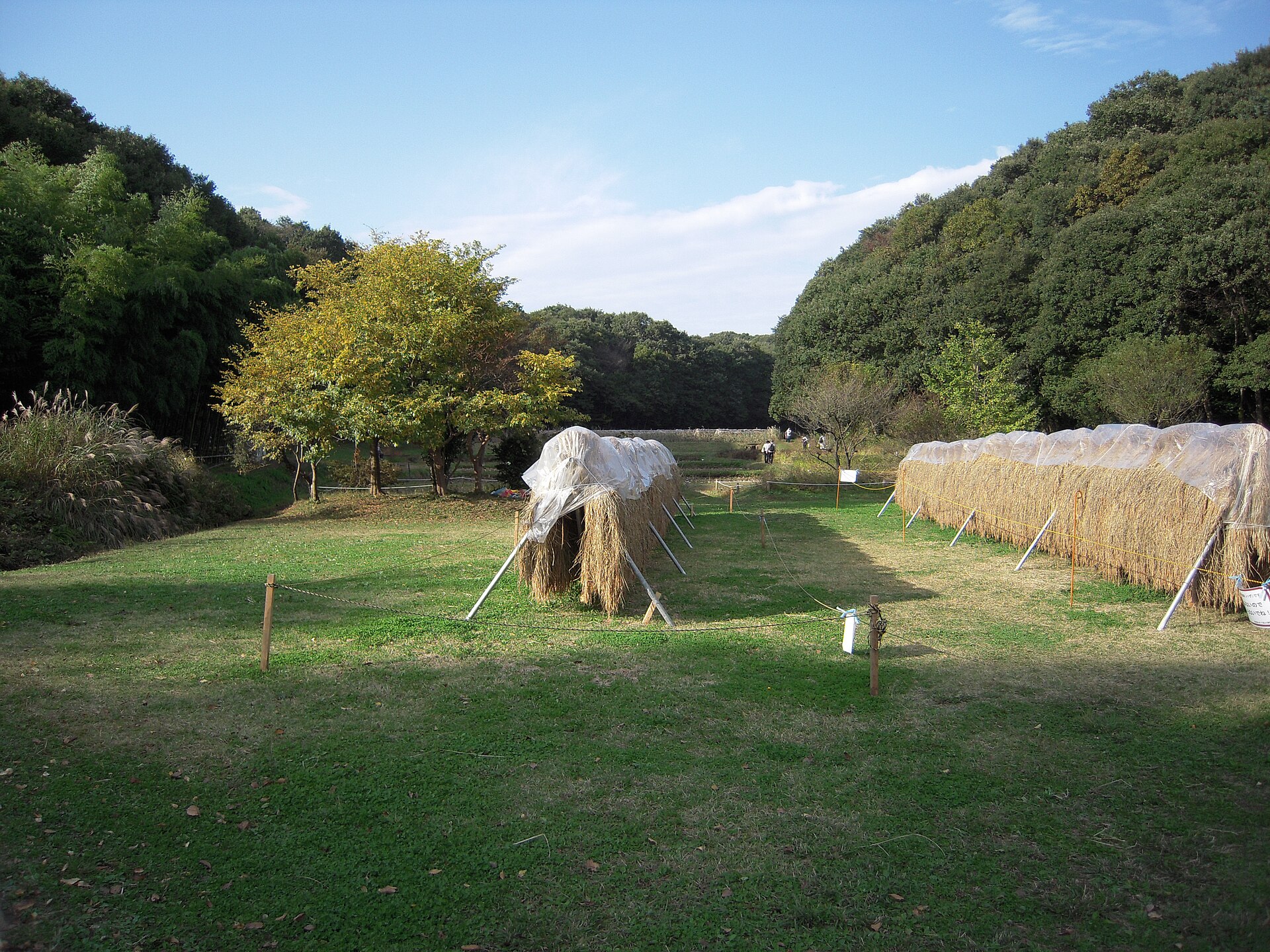
    Kikori Club (kikori means woodcutter) is a nature experience club that aims to build children’s “power to live”. Its field is the satoyama woodland of the Kumai area in Hatoyama, Saitama, a landscape of coppice forest, small valleys and farmland in the Hiki Hills.

    The club values letting children think for themselves and take on challenges, learning through real experience rather than instructions.

    Activities

    Activities change with the seasons and include:

    • Cutting trees and tree climbing
    • Digging for bamboo shoots in spring
    • Campfires and outdoor cooking
    • Building secret bases in the woods
    • Hiking, river play and outdoor games
    • Nature crafts
    • Farming experiences

    Programs

    • Kikori Club (regular program): a day activity held once a month, for children only, mainly of elementary school age.
    • Kikori Camp: an overnight camp held during the summer holidays in July and August. Applications usually open in June.
    • Parent-and-child Kikori Club: a day program for children aged 3 to elementary school with an accompanying adult (currently on hold).

    The club posts monthly reports of its activities on its blog and shares event news on Facebook. It has been featured in the education magazine DreamNavi.

    Who is it for? Kikori Club is run in Japanese and is mainly for children living in Japan, including international families in the Tokyo and Saitama area. Check the website for the latest schedule, fees and application forms.

    Getting there

    Hatoyama is in the Hiki district of central Saitama, about an hour from central Tokyo. The nearest major station is Takasaka on the Tobu Tojo Line. Meeting points and directions are given when you apply.

    While you are in the area, read our guides to satoyama walks in Hatoyama and Hatoyama’s ancient kilns and JAXA center.

    Sources and further reading

    Featured image: four horsemen / Wikimedia Commons (CC BY-SA 3.0).