Category: Farm Stays

Noka minshuku: stay with farming families in rural Japan, cook with local produce and join the daily work.

  • Rice Planting and Harvest in the Terraced Fields of Tochikubo, Minamiuonuma

    Rice Planting and Harvest in the Terraced Fields of Tochikubo, Minamiuonuma

    Every grain of rice in Japan starts with a small green seedling pushed into the mud by hand or machine. On the terraced paddies of Tochikubo in Niigata, you can see where some of the country’s finest rice is grown.

    Disclosure: the founder of Deep Japan Adventure is involved in selling Higuma no Kome. We introduce it because we know the farm and its rice first-hand, and we want to be open about that connection.

    Rice from the snow country

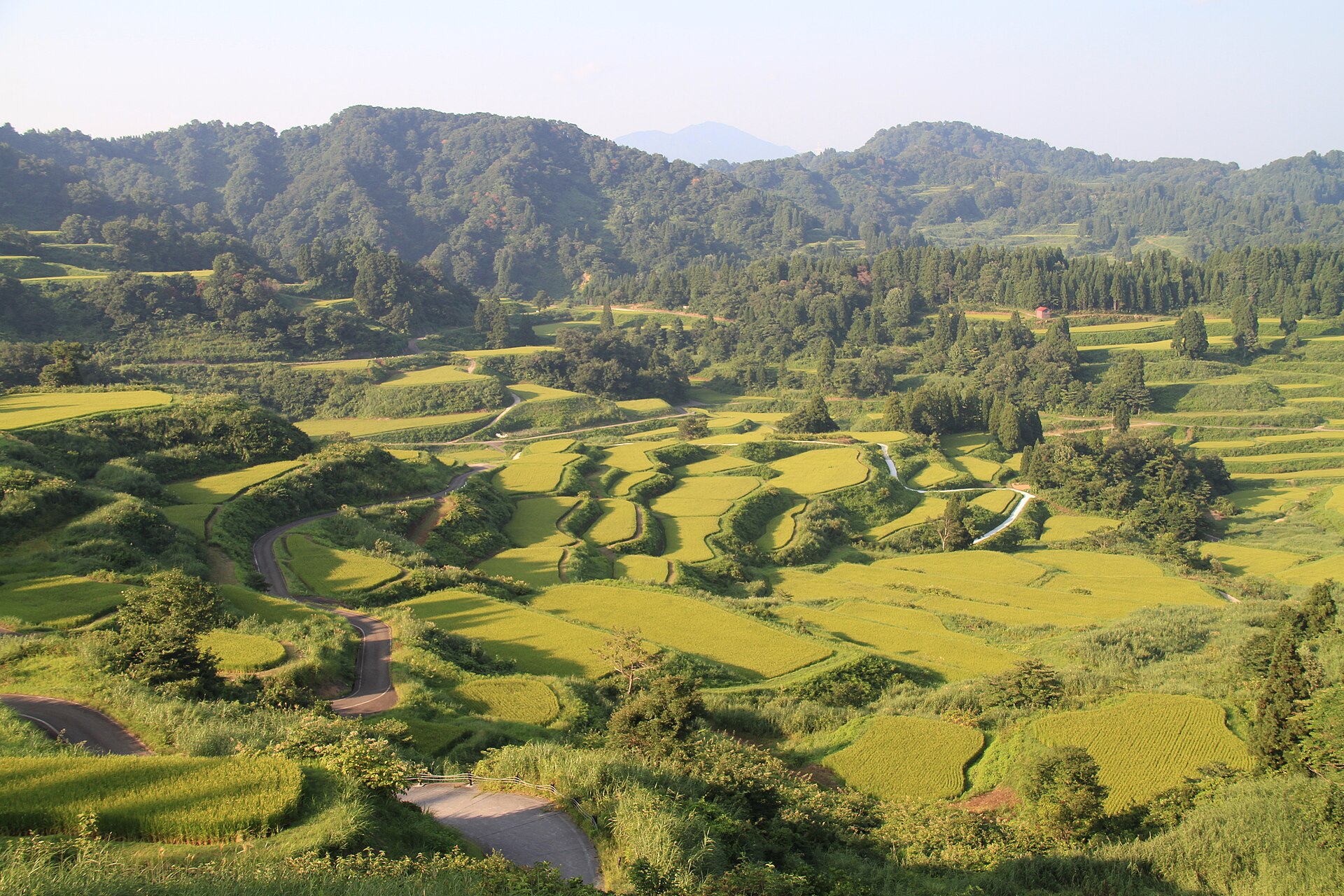
    Minamiuonuma in Niigata Prefecture is one of the most famous rice-growing areas in Japan, known for its Koshihikari. In the hamlet of Tochikubo, on the Nishiyama side of Minamiuonuma, rice terraces climb the hillside at about 500 to 600 meters above sea level.

    Here the Higuma family has been growing rice for around 200 years. Their rice, sold as “Higuma no Kome” (Minamiuonuma Tochikubo terraced-field rice), is grown with snowmelt and spring water, with the water managed paddy by paddy. The big difference between warm days and cool nights in the mountains helps the rice develop its flavor.

    The farm is certified as an Eco-Farmer by Niigata Prefecture and its grower has been recognized as a Best Farmer at an international rice taste analysis competition. Beyond farming, the family works to protect the terraces and the surrounding mountains, which would quickly return to forest without constant care.

    Rice planting and harvesting

    In terraced fields like these, the year follows the rice:

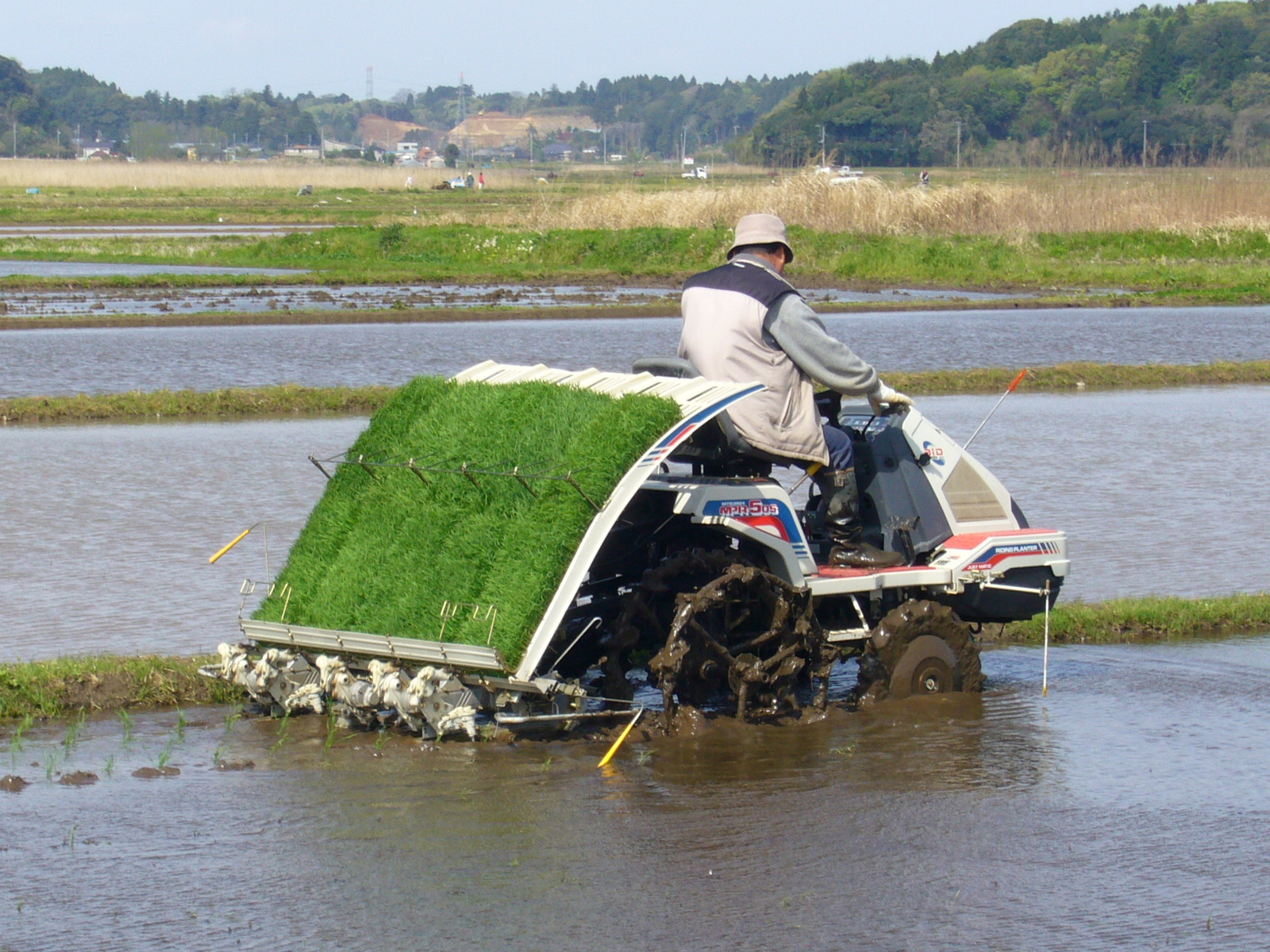
    • Spring (around May): fields are flooded and seedlings are planted, often with the snow-capped mountains still in view.
    • Summer: weeding and careful water management as the rice grows tall and green.
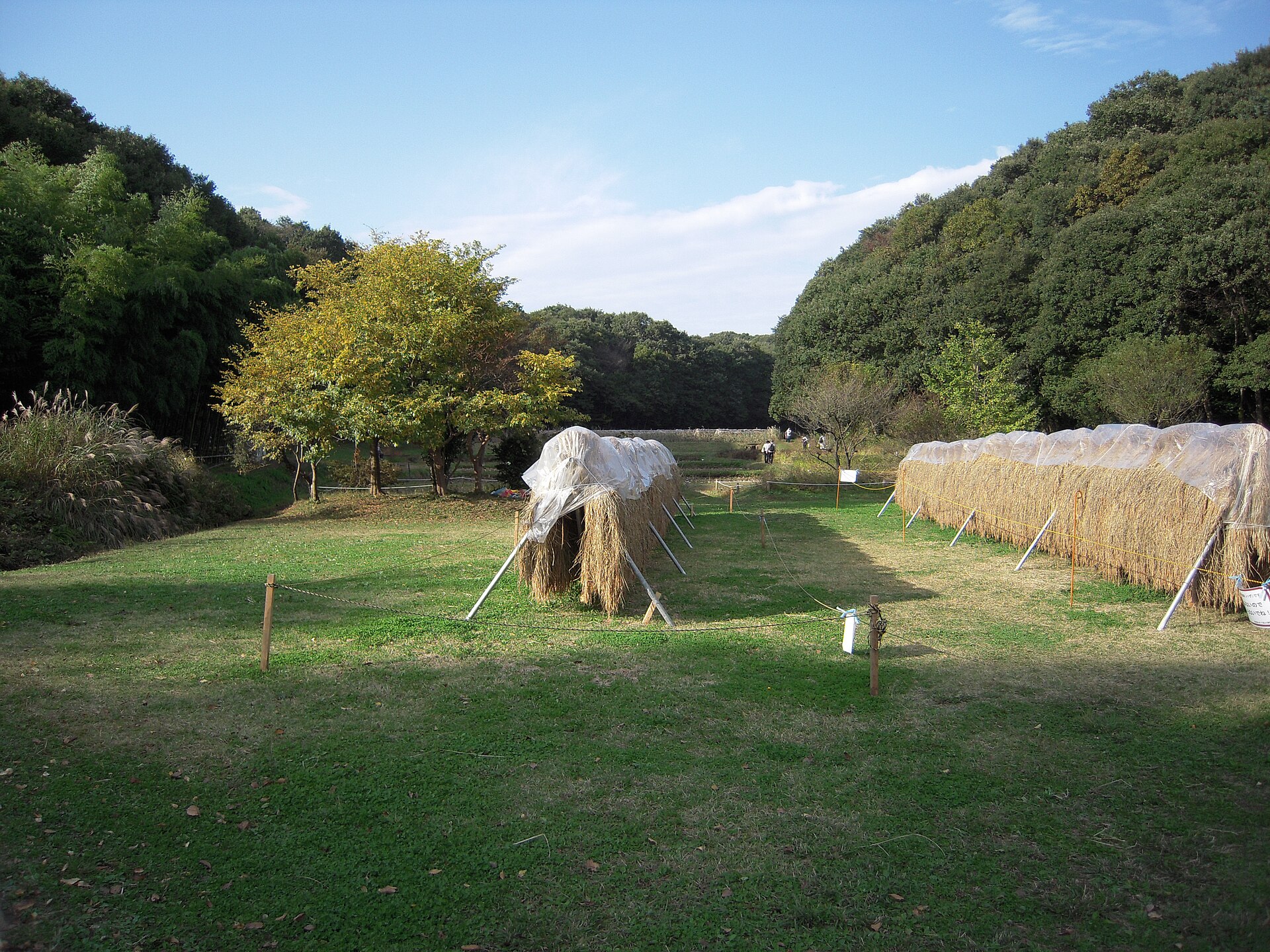
    • Autumn (around September): the golden rice is cut, bundled and dried before the new-crop rice is shipped.

    Taking part in rice planting or harvesting is one of the best ways to understand Japanese food and rural life. You work barefoot in the mud, learn how to place the seedlings or use a sickle, and share a meal of rice with the people who grew it.

    How to join: dates, availability and details of rice planting and harvesting experiences at Tochikubo are arranged directly with the farm. Please contact Higuma no Kome through its website. Information is mainly in Japanese.

    Taste the rice

    If you cannot visit, you can still taste Tochikubo rice. Higuma no Kome sells its rice through its own online shop and several Japanese shopping and furusato nozei (hometown tax donation) sites, and it is served at some restaurants in Minamiuonuma and Tokyo.

    Getting there

    Minamiuonuma is on the Joetsu Line in Niigata, near Echigo-Yuzawa on the Joetsu Shinkansen, about 1.5 hours from Tokyo. Tochikubo is in the hills on the west side of the valley; a car is the easiest way to reach it.

    Sources and further reading

    Featured image: katorisi / Wikimedia Commons (CC BY 2.5). The photo shows rice planting in Japan, not the Tochikubo terraces themselves.
  • Sayama Hills: Walking the Forests That Inspired a Famous Anime

    Sayama Hills: Walking the Forests That Inspired a Famous Anime

    Between Saitama and Tokyo, just beyond the suburbs, lies an island of woodland, farm fields and reservoirs. People here have spent decades saving it, one small plot at a time.

    A forest saved by citizens

    The Sayama Hills are a low range of wooded hills on the border of Tokorozawa and western Tokyo. The area is said to be one of the places that inspired the countryside setting of Hayao Miyazaki’s 1988 film My Neighbor Totoro.

    In 1990, local residents started a national trust movement to protect the hills from development, and in 1998 it became the Totoro no Furusato Foundation. With donations from people and companies across Japan, it has bought dozens of small plots of woodland, called “Totoro’s Forests” (Totoro no Mori). Volunteers manage them, cutting bamboo, clearing paths and keeping the satoyama landscape bright and healthy.

    Things to see

    • The Totoro’s Forests: numbered plots scattered through the northern Sayama Hills, linked by walking paths and nature trails.
    • Kurosuke’s House: a traditional farmhouse built more than 100 years ago, now a registered Tangible Cultural Property and the foundation’s base. It opens on limited days (Tuesday, Wednesday and Saturday, 10:00–15:00) and requires a reservation; admission is about 500 yen.
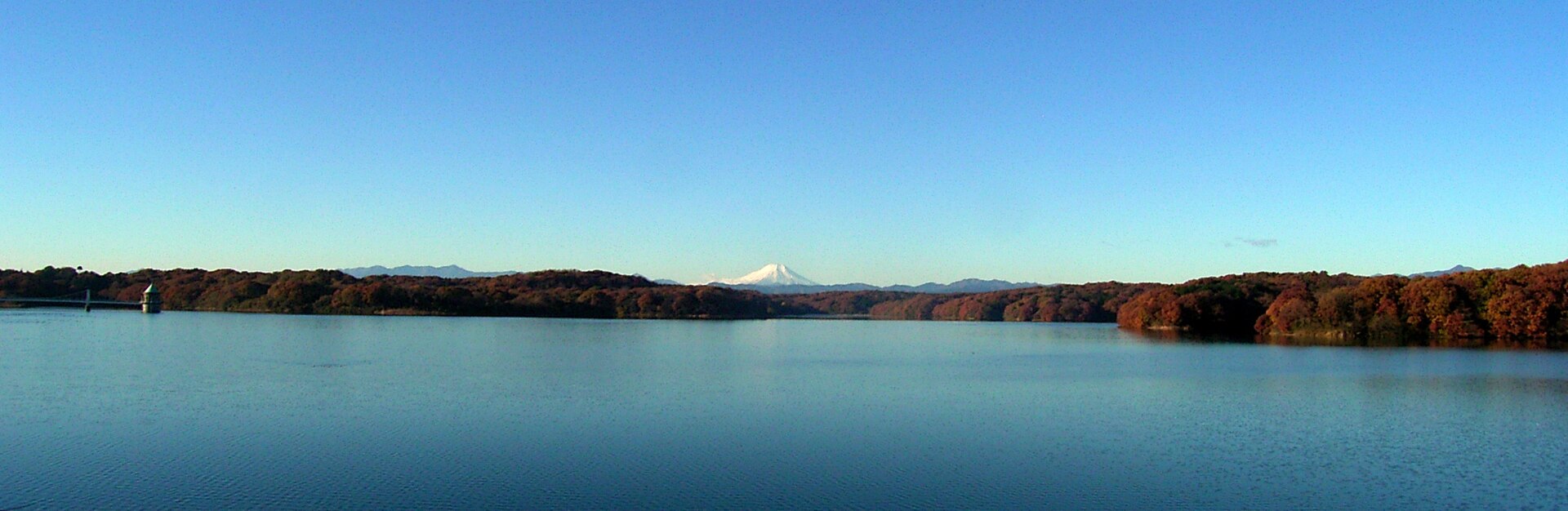
    • Lake Sayama and Lake Tama: reservoirs surrounded by forest, with views of Mount Fuji on clear winter days.
    • Saitama Midori-no-Mori Nature Park and the Sayama Hill Flora and Fauna Interaction Center, good starting points for walks.

    Visiting respectfully

    These are working conservation forests, not a theme park. Stay on the paths, take your trash home, and do not pick plants. There is no parking at Kurosuke’s House, so come by public transport.

    Getting there

    From Kotesashi Station (Seibu Ikebukuro Line), take a Seibu bus toward Miyadera-nishi or Waseda University. Seibu-Kyujo-mae Station is another starting point; from there it is a scenic walk of about 45 minutes to Kurosuke’s House.

    Sources and further reading

    Featured image: DS80s / Wikimedia Commons (CC BY-SA 3.0). Practical details such as prices, hours and schedules change often. Please check the official sources before you travel.

  • Gyoda Rice Paddy Art and the 1,400-Year-Old Lotus

    Gyoda Rice Paddy Art and the 1,400-Year-Old Lotus

    From the ground it looks like an ordinary rice field. From the top of a 50-meter tower, it becomes a giant painting.

    Kodaihasu no Sato: the ancient lotus park

    In 1971, construction work in Gyoda uncovered lotus seeds that had lain dormant in the ground for an estimated 1,400 years. Some germinated and bloomed, producing a lotus with fewer petals than modern varieties. They became the town’s pride.

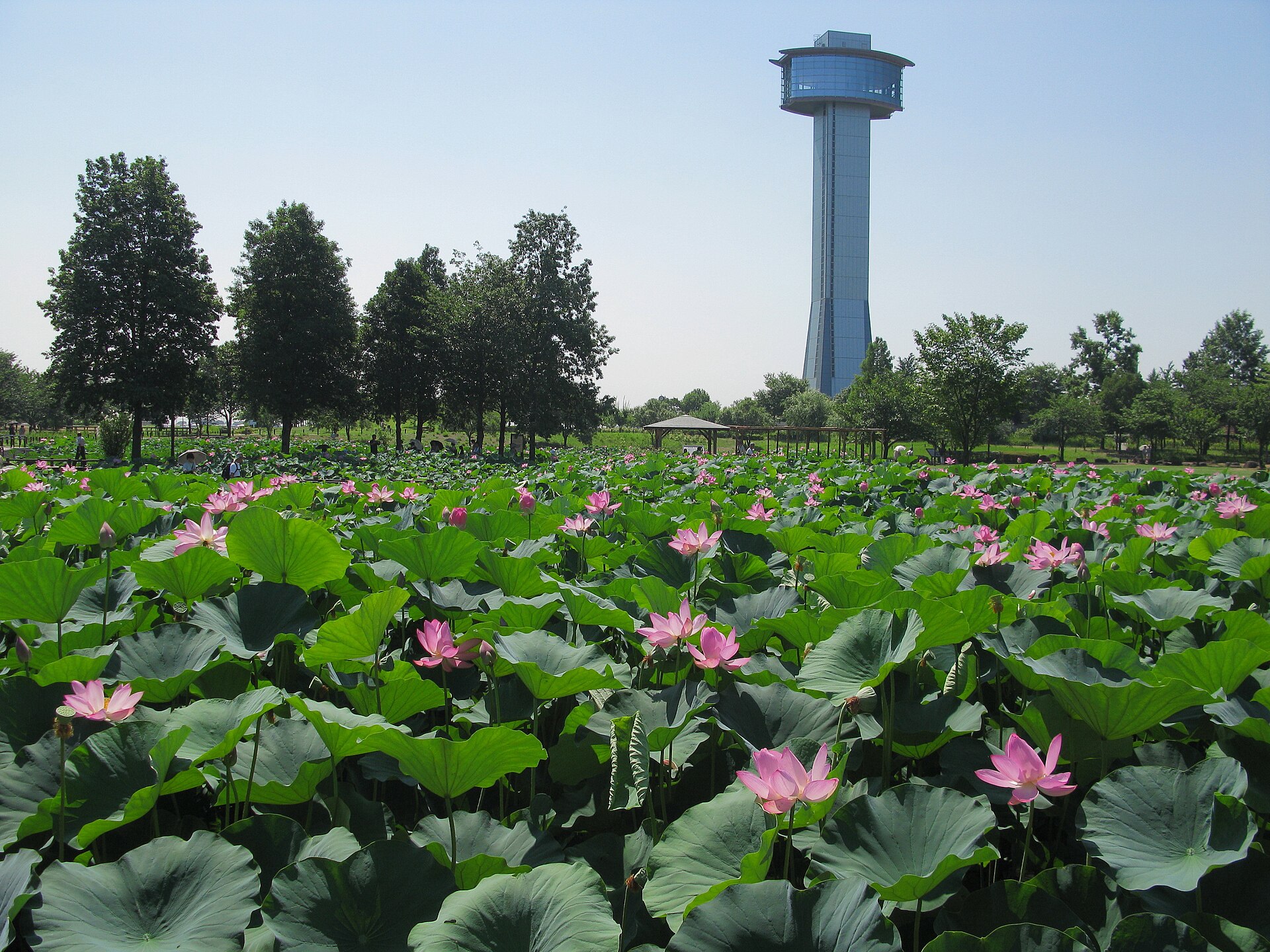
    Today, the park called Kodaihasu no Sato (“village of the ancient lotus”) grows about 120,000 lotus plants of 42 varieties, including the ancient Gyoda lotus. They bloom from around mid-June to early August. Come early in the morning, when the flowers open.

    The world’s largest rice paddy art

    Beside the park, local residents and volunteers plant rice of several colors in a precise design every June. As the rice grows, a huge picture appears in the field. In 2015 the Gyoda rice paddy art was certified by Guinness World Records as the largest in the world. The design changes every year; past themes have included the Rugby World Cup and the Nazca lines.

    The art is too big to see from the ground. Climb the 50-meter observation tower next to the field, which also houses a small lotus museum, for the full picture. On clear days you may even see Mount Fuji.

    Best timeLotus: mid-June to early August. Rice paddy art: mid-July to mid-October.
    Tower admissionAbout 400 yen for adults
    Address2375-1 Kobari, Gyoda, Saitama
    AccessCity loop bus from JR Gyoda Station (Takasaki Line) to Kodaihasu no Sato

    Tips

    • Visit the lotus in the morning, and the rice art from late July, when the colors are clearest.
    • Summers in northern Saitama are very hot. Bring water and a hat.
    • Combine with Sakitama Kofun Park and Gyoda’s tabi warehouses.

    Sources and further reading

    Featured image: 京浜にけ / Wikimedia Commons (CC BY-SA 3.0). Practical details such as prices, hours and schedules change often. Please check the official sources before you travel.

  • Hatoyama: Quiet Satoyama Walks in the Hiki Hills

    Hatoyama: Quiet Satoyama Walks in the Hiki Hills

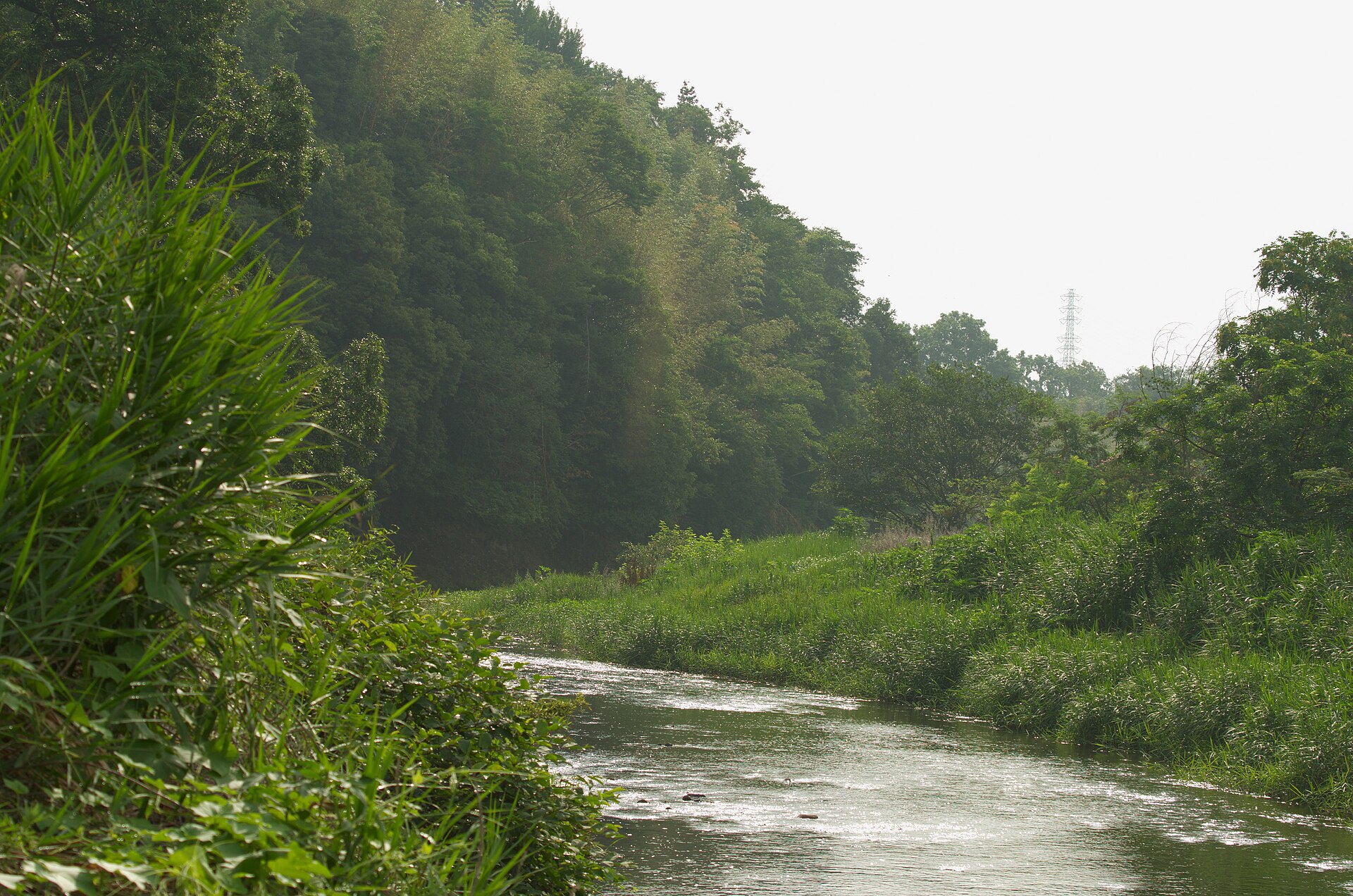
    Not every trip needs a famous sight. In Hatoyama, the attraction is the landscape itself: coppiced woods, small valleys with rice paddies, frogs, dragonflies and the sound of the wind in the oak trees.

    What is satoyama?

    Satoyama describes the traditional Japanese countryside between village and mountain: mixed woodland once cut for firewood and charcoal, small rice fields in narrow valleys (yatsuda), ponds and farmland. Managed by people for centuries, these landscapes became some of the richest habitats for wildlife in Japan. When rural life changed, many were abandoned or developed.

    Hatoyama, a town in Hiki District in central Saitama, still has plenty of this landscape, and local groups work hard to protect it.

    Places to walk

    • Ishizaka no Mori (Ishizaka Forest): a satoyama woodland where you can easily feel the breath of nature, with walking paths through mixed forest.
    • The forests around Kumai: the local NPO Hatoyama Environment Forum looks after woodlands here and has been turning an abandoned rice field into a biotope for native species such as the Tokyo salamander. Already, dragonflies and loaches have returned.
    • Rice paddies and small valleys across town, especially beautiful in June when the fields are flooded and in September when the rice turns gold.

    Join in

    Hatoyama’s conservation groups regularly hold events such as forest work days, sweet potato digging and nature walks. Joining one is a wonderful way to meet local people and learn how satoyama is maintained. Check the Hatoyama Environment Forum’s website for upcoming events.

    Combine with

    • The JAXA Earth Observation Center and the ancient Minami-Hiki kiln sites, both in Hatoyama.
    • The Saitama Children’s Zoo in neighboring Higashi-Matsuyama.
    • Tokigawa and its hot springs, about 20 minutes away by car.

    Getting there

    From Takasaka Station on the Tobu Tojo Line, local buses run toward Hatoyama New Town. A car or bicycle is recommended for exploring the countryside. Bring insect repellent in summer and wear shoes that can handle muddy paths.

    Sources and further reading

    Featured image: four horsemen / Wikimedia Commons (CC BY-SA 3.0). Practical details such as prices, hours and schedules change often. Please check the official sources before you travel.

  • Tokigawa: A Satoyama Day Trip of Hot Springs, Washi and Farm Food

    Tokigawa: A Satoyama Day Trip of Hot Springs, Washi and Farm Food

    Clear rivers, cedar hills and small farming hamlets: Tokigawa in central Saitama is the kind of countryside most visitors think is far from Tokyo. It is not.

    The town of trees and rivers

    Tokigawa is a rural town of about 56 square kilometers in Hiki District, formed in 2006. The Toki River runs through it, and the hills are covered with cedar and cypress forests that have supported local woodworking for generations. There are no expressways or national highways in town, which helps it keep its quiet, village feel.

    Things to do

    • Kinomura Bussankan farmers’ market: more than 130 local farmers bring fresh vegetables, eggs and homemade side dishes here every morning. Look for grilled yakitori and rice dumplings outside.
    • Norabona: in early spring, try this traditional green of the Hiki area. It has been grown for around 240 years and is said to have saved local people from famine in the Edo period.
    • Tamagawa Onsen: a day-trip hot spring designed in a Showa-era retro style, with very alkaline water (pH around 10) drawn from about 1,700 meters underground. It is known for leaving skin smooth.
    • Washi papermaking: Tokigawa lies next to Ogawa, the home of Hosokawa-shi paper. Local workshops welcome visitors to watch and try making postcards (reservation needed).
    • River play and camping at Kinomura campground along the river.

    Who it is for

    Tokigawa is ideal if you want slow travel: a walk by the river, a bath, a simple home-style lunch and a chat with local farmers. Add Jikoji Temple and a night at Doudaira Observatory for a two-day trip.

    Getting there

    Take the Tobu Tojo Line from Ikebukuro to Musashi-Ranzan Station, or the JR Hachiko Line to Myokaku Station, then use the Tokigawa town buses. A car or bicycle makes it much easier to explore.

    Sources and further reading

    Featured image: Carbonium / Wikimedia Commons (CC BY 3.0). Practical details such as prices, hours and schedules change often. Please check the official sources before you travel.

  • Ajimu, Oita: Where Japan’s Farm Stay Movement Began

    Ajimu, Oita: Where Japan’s Farm Stay Movement Began

    Forget hotels for a night. In Ajimu, you stay in a farmhouse, cook dinner with your hosts, help in the fields and leave feeling like a distant relative.

    The birthplace of green tourism in Japan

    Ajimu (Ajimu-machi, now part of Usa City in Oita Prefecture) is a quiet farming area of rice paddies, vineyards and forested hills in northern Kyushu. Like many rural areas, it faced an aging population and fewer young farmers. In the 1990s, local residents looked to Europe, where staying on farms was already a popular holiday, and started inviting guests into their own homes.

    The program, launched in 1996, became the model for noson minpaku (farm stays) across Japan. Today dozens of households in and around Ajimu welcome guests, and the town is still regarded as the home of Japanese green tourism.

    What a farm stay is like

    Every household is different, which is the charm. A typical stay of one night and two days might include:

    • Picking vegetables or fruit from the family’s fields, depending on the season.
    • Cooking dinner together using local produce, and eating around the same table as your hosts.
    • Seasonal farm work such as rice planting, harvesting or making rice cakes.
    • Learning everyday skills: making pickles, chopping firewood or preparing a wood-fired bath.

    Guests are treated not as customers but as family. The local saying is that you arrive as a guest and leave as a relative.

    Things to see nearby

    • Ajimu Winery and the local grape farms, as the area is known for its wine and grape juice.
    • Usa Jingu, the head shrine of all Hachiman shrines in Japan.
    • Higashi-Shiiya Falls, a powerful waterfall in the hills.
    • Yufuin and Beppu hot spring towns, both within about an hour by car.

    How to book

    Farm stays in Ajimu are coordinated by the local green tourism association, and some tour companies also include an Ajimu farm stay in multi-day Kyushu itineraries. Many hosts speak little English, so a translation app and a phrasebook help a lot. Book well ahead and tell your hosts about any dietary needs in advance.

    Getting there

    Ajimu is about 5 minutes from the Ajimu Interchange on the Usa-Beppu Road. A car is the easiest option. Some hosts can arrange to meet you at a local meeting point, so ask when you book.

    Sources and further reading

    Featured image: katorisi / Wikimedia Commons (CC BY 2.5). Practical details such as prices, hours and schedules change often. Please check the official sources before you travel.

  • Hoshitoge Rice Terraces: Japan’s Mirror Fields in Snow Country

    Hoshitoge Rice Terraces: Japan’s Mirror Fields in Snow Country

    Niigata is famous for producing some of Japan’s best rice, and nowhere shows the bond between people and land more beautifully than the Hoshitoge Rice Terraces.

    A landscape made by snow and people

    Hoshitoge is in the Matsudai area of Tokamachi City, deep in “snow country”, where winters bring some of the heaviest snowfall in the world. Over generations, local farmers carved around 200 rice paddies into the steep slopes. The water that fills them comes not from rivers but from rain, groundwater and snowmelt, slowly released by beech forests at the top of the mountain.

    The terraces are selected as one of “Japan’s 100 Most Beautiful Villages” and appeared in the opening titles of the NHK historical drama Tenchijin.

    When to visit

    • Spring (after the snow melts until June): the flooded paddies become a “water mirror”, reflecting the sky, clouds and sunrise.
    • Summer: bright green rice and the sound of frogs and dragonflies.
    • Autumn (late October to November): after the harvest the fields are flooded again, and mornings often bring a sea of clouds.
    • Winter: a silent world of snow. Cars cannot reach the terraces because the road is not cleared.

    Sunrise is the most popular time for photographers. On a calm morning you may find dozens of tripods lined up at the viewpoint. Arrive early and be patient.

    Respect the farmers

    The terraces are on private land and are still worked by local farmers. View them from the road and the designated parking area, never walk on the paddy ridges, and keep drones on the ground unless you have permission. Some terraces in Tokamachi are supported by a shared ownership system, in which people across Japan pay a yearly fee to help keep the paddies farmed and receive rice in return.

    Stay longer: rural Tokamachi

    The surrounding area is full of small farming hamlets, guesthouses and old farmhouses converted into inns. Tokamachi is also the main venue of the Echigo-Tsumari Art Triennale, held every three years, when contemporary art installations appear in fields, schools and empty houses. A stay in a local guesthouse lets you see the terraces at dawn without a long drive.

    Getting there

    • From Tokyo, take the Joetsu Shinkansen to Echigo-Yuzawa (about 80 minutes), then the Hokuhoku Line to Matsudai Station.
    • From Matsudai Station, the terraces are about 20 minutes by taxi or rental car.
    • By car, allow about one hour from the Muikamachi Interchange (Kan-Etsu Expressway).

    Sources and further reading

    Featured image: Fumihiko Ueno / Wikimedia Commons (CC BY 3.0). Practical details such as prices, hours and schedules change often. Please check the official sources before you travel.