Category: Culture & Traditions

Crafts, food, etiquette and living traditions that make Japan unique.

  • Tokorozawa: The Birthplace of Japanese Aviation

    Tokorozawa: The Birthplace of Japanese Aviation

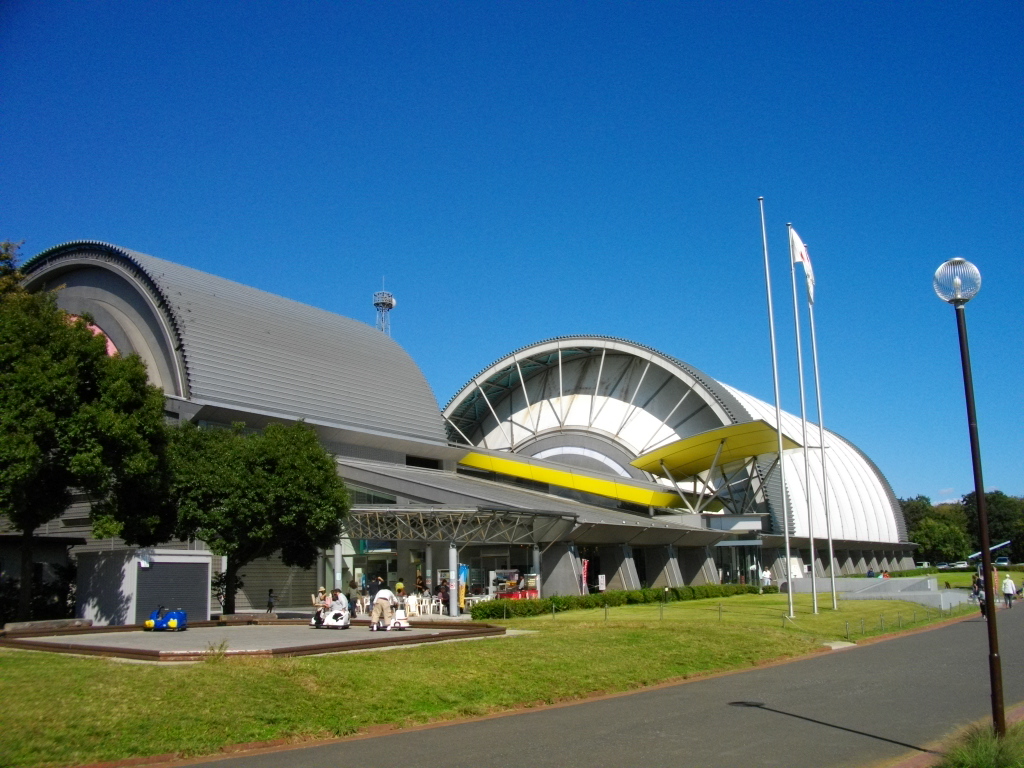
    On a quiet lawn in Saitama, joggers and families picnic where Japan’s first airplanes once took off.

    Japan’s first airfield

    On April 1, 1911, Japan’s first airfield opened in Tokorozawa, chosen by an army study group for its wide, flat land. Later that year, on October 13, the first Japanese-built airplane, the Kaishiki No. 1 biplane, made its first flight here. Tokorozawa quickly became the center of early Japanese aviation, with a flying school and research facilities.

    After the Second World War the site was used by the US military. Part of it was returned and opened in 1978 as Tokorozawa Aviation Memorial Park, at about 50 hectares the largest prefectural park in Saitama. The line of the original runway can still be seen in the grass.

    Tokorozawa Aviation Museum

    Inside the park, the Tokorozawa Aviation Museum tells the story of flight in Japan. Exhibits change over time but usually include historic aircraft and helicopters, replicas of early planes, engines, and hands-on flight simulators that are popular with children. A large-screen theater shows aviation films.

    • Outside, a C-46 transport plane once used by the Air Self-Defense Force is on display.
    • The park also has big lawns, a Japanese garden, sports facilities, a dog run and an outdoor stage.
    • Cherry blossoms make it a popular hanami spot in spring.

    Getting there

    The park is right next to Kokukoen Station on the Seibu Shinjuku Line, about 35–40 minutes from Seibu-Shinjuku. The museum is generally closed on Mondays (check the official website for hours and fees).

    Sources and further reading

    Featured image: Abasaa / Wikimedia Commons (Public domain). Practical details such as prices, hours and schedules change often. Please check the official sources before you travel.
  • Ogawa Washi: Making UNESCO-Listed Paper by Hand in Saitama

    Ogawa Washi: Making UNESCO-Listed Paper by Hand in Saitama

    Strong enough to last for centuries and soft enough to fold like cloth, Japanese handmade paper is one of the country’s quiet wonders. One of its homes is just an hour from Ikebukuro.

    1,300 years of papermaking

    The town of Ogawa and the neighboring village of Higashichichibu in Saitama have made paper for some 1,300 years. Clear rivers and the mulberry (kozo) that grew in the hills made the area ideal for papermaking, and its closeness to Edo (Tokyo) created a steady market. The local paper became known as Ogawa washi.

    Its finest form is Hosokawa-shi, a tough, unbleached paper made only from kozo fibers. It was prized by merchants and officials in Edo for account books and records because it lasts so well. In November 2014, Hosokawa-shi was inscribed on UNESCO’s list of Intangible Cultural Heritage together with Hon-minoshi from Gifu and Sekishu-banshi from Shimane, under the title “Washi, craftsmanship of traditional Japanese hand-made paper”.

    Try making washi

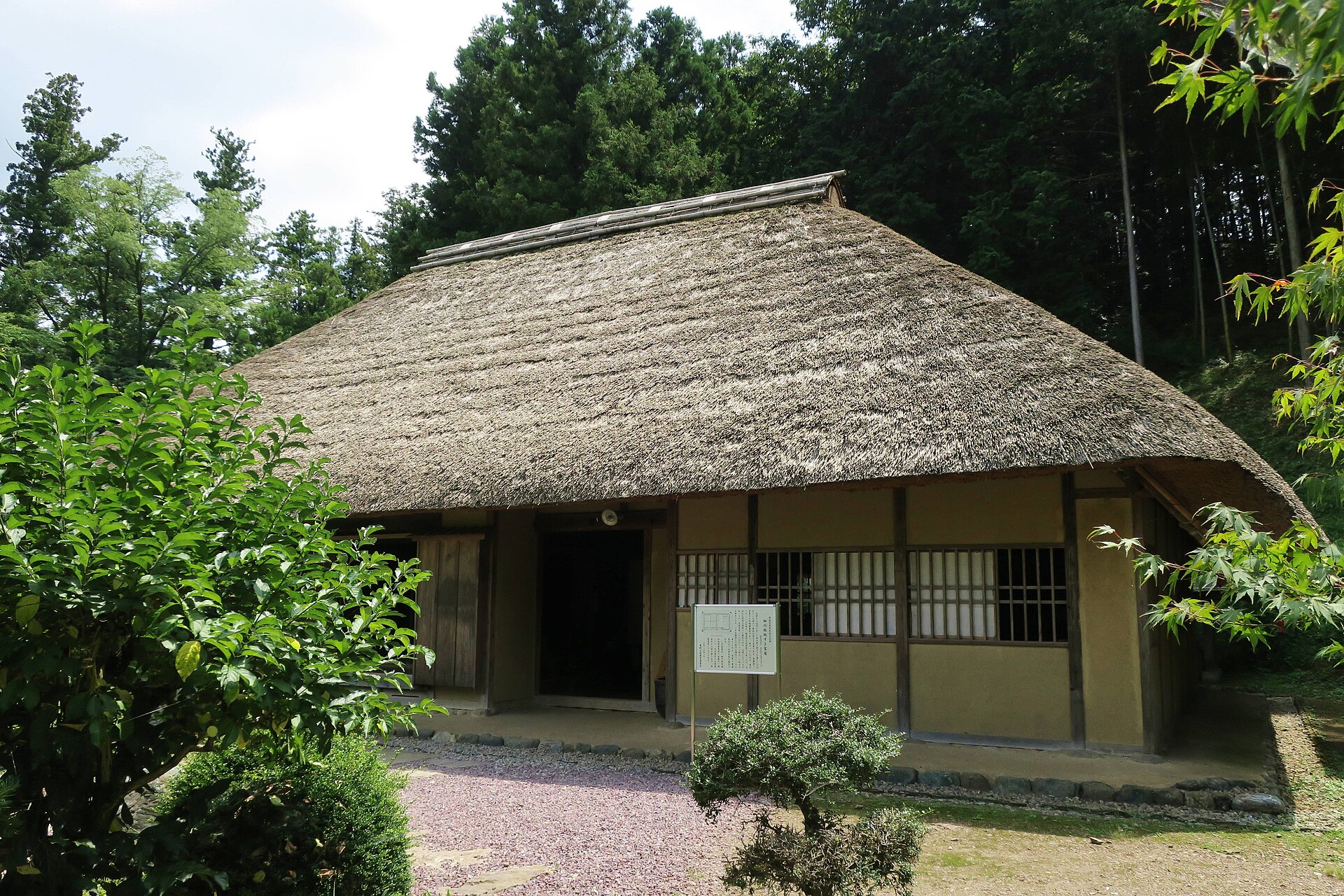
    • Washi no Sato (Higashichichibu): a “papermaking village” with a workshop, exhibition halls, shops and a thatched farmhouse. Visitors can make their own sheet of paper using local kozo.
    • Saitama Traditional Crafts Center (Ogawa): exhibits on Saitama crafts and papermaking experiences.
    • Independent studios: some craftspeople in Ogawa and Tokigawa welcome visitors to watch and try making postcards (reservation usually needed).

    Making paper is surprisingly physical: you scoop the fiber-filled water with a bamboo screen and shake it back and forth until an even sheet forms. Your paper will be dried and ready to take home, often the same day.

    Getting there

    Ogawamachi Station is on the Tobu Tojo Line (direct trains from Ikebukuro) and the JR Hachiko Line. Washi no Sato is about 15 minutes by bus from Ogawamachi Station or 15 minutes by car from the Ranzan-Ogawa Interchange. Combine with Tokigawa and Mount Doudaira for a weekend in the hills.

    Sources and further reading

    Featured image: photo: Qurren (talk) Taken with Canon PowerShot G9 X / Wikimedia Commons (CC BY-SA 3.0). Practical details such as prices, hours and schedules change often. Please check the official sources before you travel.
  • Musashino Reiwa Shrine: A New Shinto Shrine for the Anime Age

    Musashino Reiwa Shrine: A New Shinto Shrine for the Anime Age

    Most Shinto shrines in Japan are centuries old. Musashino Reiwa Shrine was built in 2020, and it shows what a shrine can look like in the 21st century.

    A shrine for the Reiwa era

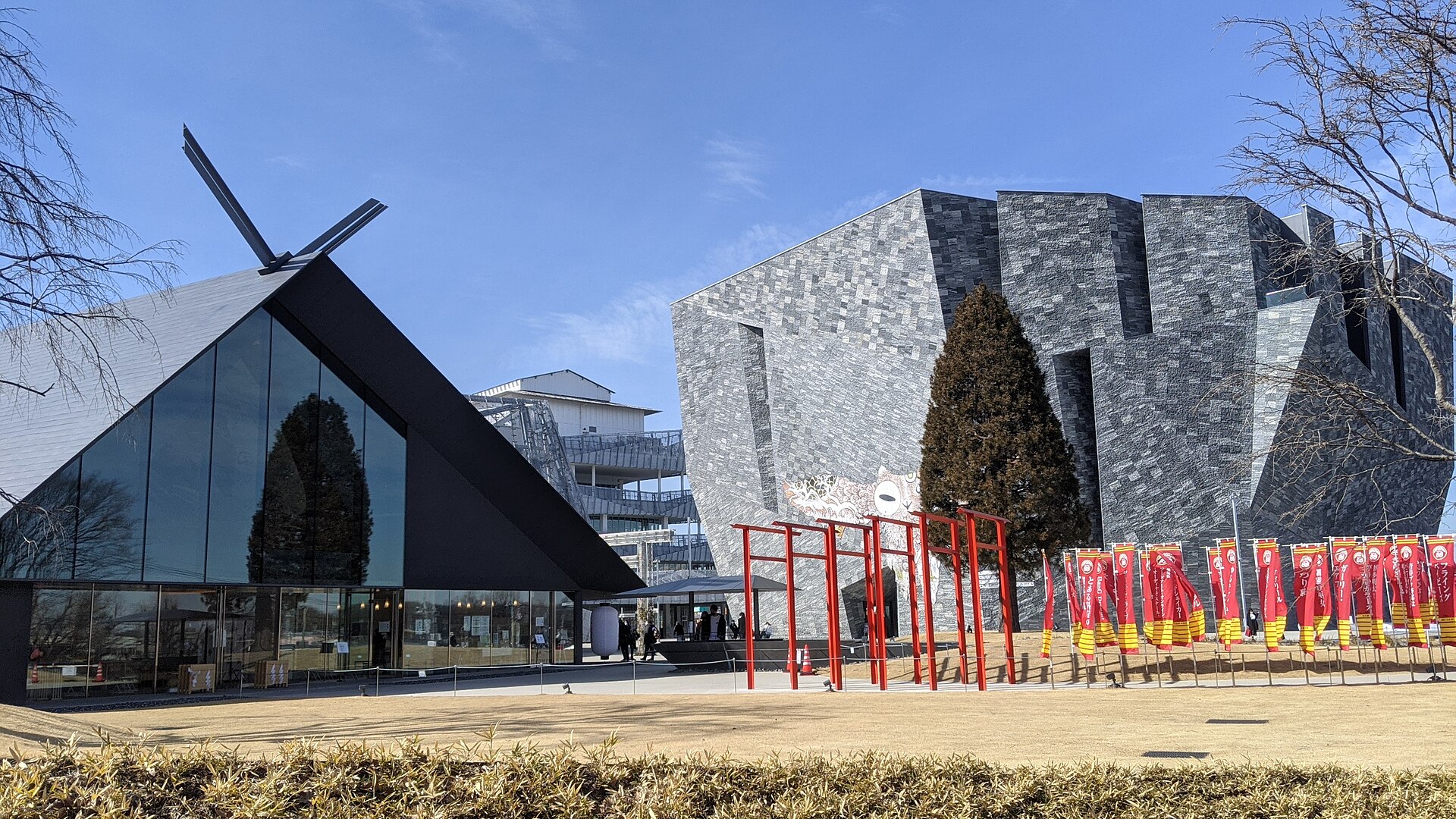
    The shrine stands in Tokorozawa Sakura Town, next to the Kadokawa Culture Museum. Its official name is Musashino-ni-masu Uruwashiki Yamato no Miyashiro, but everyone calls it Musashino Reiwa Shrine, after the current imperial era. The name was given by Susumu Nakanishi, the scholar of Japanese literature known for proposing the name “Reiwa” itself. Architect Kengo Kuma supervised the design.

    What makes it unusual

    • Modern design: clean lines and natural materials, blending traditional shrine elements with contemporary architecture.
    • Ceiling art by Yoshitaka Amano: the artist famous for Final Fantasy created a golden painting for the shrine.
    • Guardian lion-dogs: the komainu at the entrance were sculpted by the artist Yoshimasa Tsuchiya.
    • Anime connections: it is designated the first of the “88 Anime Sacred Places in Japan”, and prays for the safety of fans traveling to anime pilgrimage sites. The shrine often collaborates with anime and manga series on special ema votive plaques and charms.

    Visiting etiquette

    Even though it is new and connected to pop culture, this is a real shrine. Bow at the torii gate, purify your hands at the water basin, and pray quietly. Photography is generally fine in the grounds, but be respectful of worshippers.

    Getting there

    About a 10-minute walk from JR Higashi-Tokorozawa Station on the Musashino Line. Combine with the Kadokawa Culture Museum and, in the evening, the teamLab forest in Higashi-Tokorozawa Park.

    Sources and further reading

    Featured image: 月ヶ瀬樹 / Wikimedia Commons (CC BY-SA 4.0). Practical details such as prices, hours and schedules change often. Please check the official sources before you travel.
  • Kitain Temple: 538 Stone Disciples and the Last Rooms of Edo Castle

    Kitain Temple: 538 Stone Disciples and the Last Rooms of Edo Castle

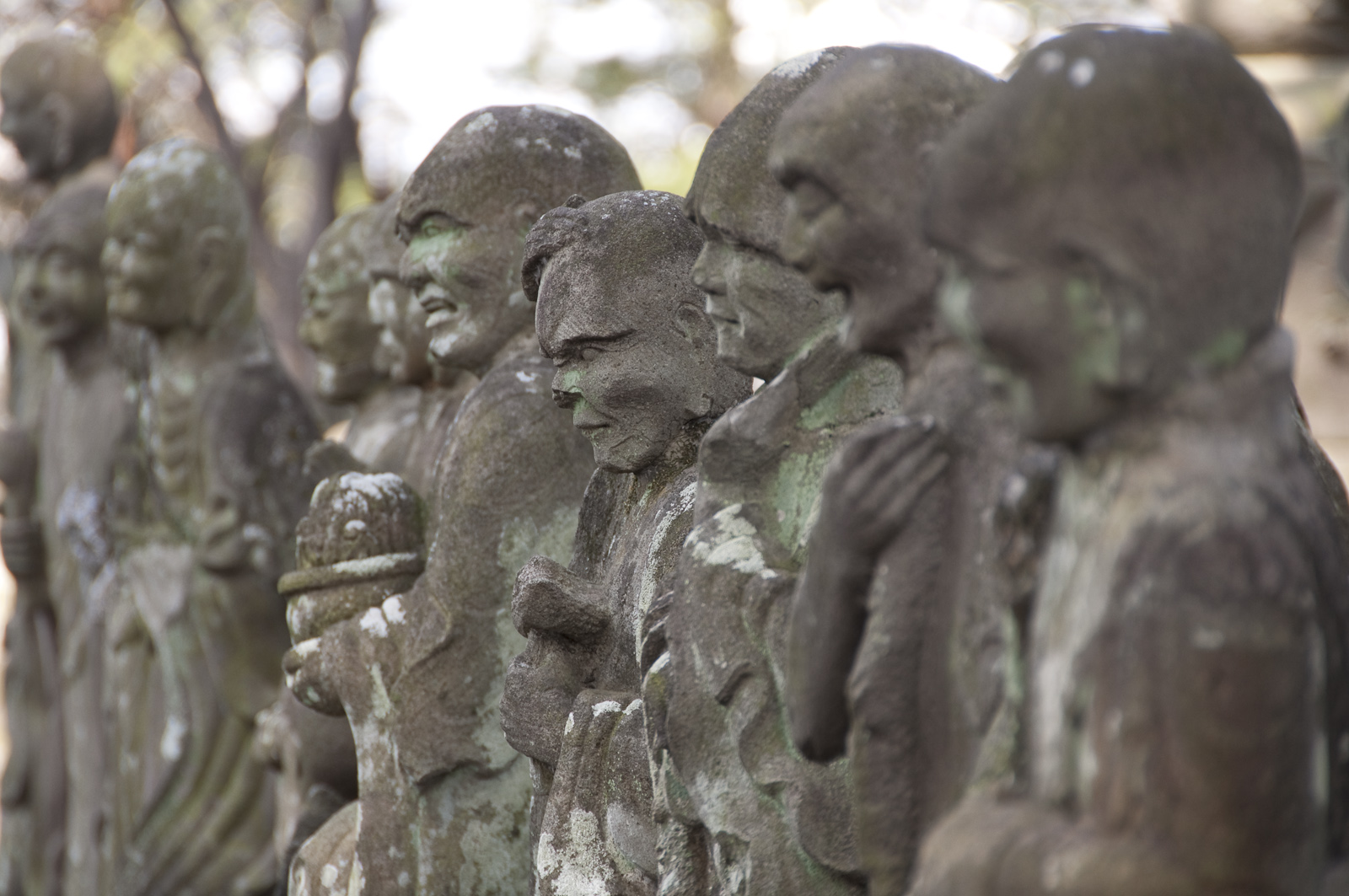
    Laughing, crying, drinking, whispering secrets, scratching an ear: the stone disciples of Kitain show every human emotion. Legend says that if you visit at night and touch their heads, one will feel warm, and it will look like someone you have lost.

    A temple of the shoguns

    Kitain traces its origins to 830 and is a leading temple of the Tendai school in the Kanto region, known locally as Kawagoe Daishi. In the early Edo period, the abbot Tenkai was a close advisor to the first three Tokugawa shoguns, and the temple enjoyed their support.

    When a fire destroyed most of Kitain in 1638, the third shogun, Iemitsu, had several palace buildings moved here from Edo Castle in Tokyo. Edo Castle itself was later lost to fires, the 1923 earthquake and war, so these rooms are the only surviving buildings of Edo Castle. One room, with a painted floral ceiling, is said to be where Iemitsu was born; others are linked to his wet nurse, Lady Kasuga.

    The Gohyaku Rakan

    Beside the temple are the Gohyaku Rakan (“500 arhats”): 538 stone statues of the disciples of the Buddha, carved between 1782 and 1825. No two are alike. Some are chatting, some sleeping, some reading or playing music. It is one of the three great rakan collections in Japan, and finding a statue that looks like you (or a friend) is part of the fun.

    Address1-20-1 Kosenba-machi, Kawagoe, Saitama
    AdmissionAbout 400 yen for adults (Edo Castle rooms, garden and rakan)
    HoursAround 9:00–16:00 (varies by season)
    AccessAbout 15 minutes on foot from Hon-Kawagoe Station or from the warehouse district

    Seasonal highlights

    • Spring: cherry blossoms around the temple and in the garden.
    • Early summer: hydrangeas.
    • January 3: the Daruma Market, one of the biggest in the Kanto region, sells lucky daruma dolls for the new year.

    Sources and further reading

    Featured image: Fg2 / Wikimedia Commons (Public domain). Practical details such as prices, hours and schedules change often. Please check the official sources before you travel.
  • Kadokawa Culture Museum: A Stone Fortress of Books in Tokorozawa

    Kadokawa Culture Museum: A Stone Fortress of Books in Tokorozawa

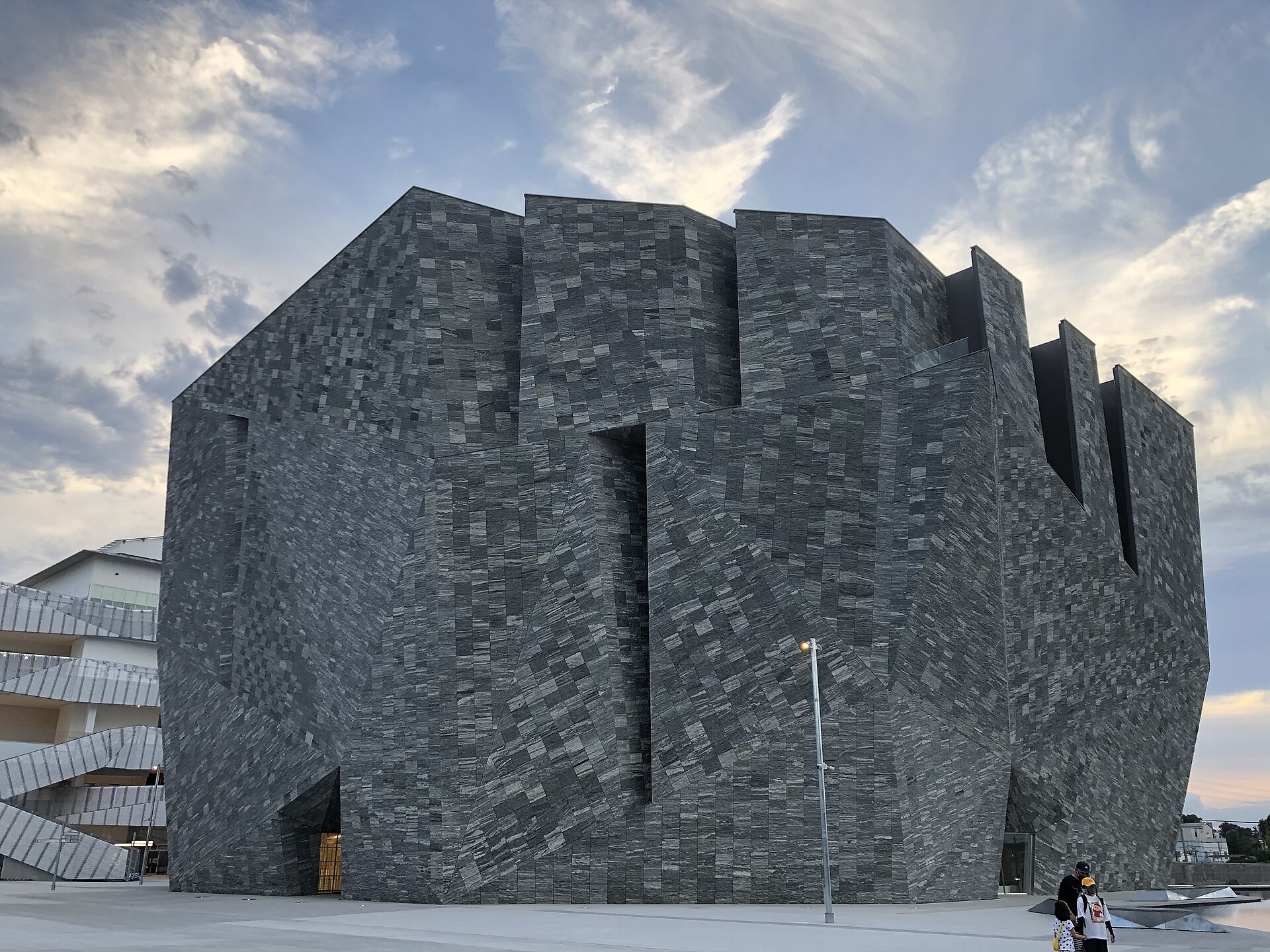
    From outside, it looks like a huge block of rock that fell from the sky. Inside, it is a city of books.

    The building

    The Kadokawa Culture Museum (Kadokawa Musashino Museum) is the landmark of Tokorozawa Sakura Town, a pop-culture complex created by the publisher KADOKAWA together with the city of Tokorozawa. It opened in 2020. The architect Kengo Kuma, who also designed Tokyo’s National Stadium, wrapped the 40-meter-tall museum in thousands of rough granite panels, creating an angular shape that changes as you walk around it.

    Inside: books, art and anime

    • Edit Town and Book Street: on the fourth floor, tens of thousands of books are arranged not by publisher or genre but by unexpected connections, inviting you to wander and discover. Many are on open shelves for browsing.
    • Bookshelf Theater: a soaring hall lined with wooden bookshelves about eight meters high. Projection mapping shows turn the walls of books into a moving artwork. It is the most photographed spot in the building.
    • Aramata Wunderkammer: a “cabinet of curiosities” of strange objects collected by the writer Hiroshi Aramata.
    • Galleries: changing exhibitions of art, manga, anime and design, including the EJ Anime Museum.

    Around the museum

    Tokorozawa Sakura Town also includes the striking Musashino Reiwa Shrine, shops, restaurants and an event hall. In the neighboring Higashi-Tokorozawa Park, the teamLab installation Resonating Life in the Acorn Forest lights up the trees at night.

    Practical information

    • Tickets are sold by area (for example, the Bookshelf Theater and Edit Town, or a specific exhibition). Check the official website for current prices and opening days.
    • Allow at least two hours inside.
    • Weekends can be busy; consider booking tickets online.

    Getting there

    Tokorozawa Sakura Town is about a 10-minute walk from JR Higashi-Tokorozawa Station on the Musashino Line. From central Tokyo, change at Minami-Urawa or Nishi-Kokubunji, or take a bus from Tokorozawa Station.

    Sources and further reading

    Featured image: Kaijooo / Wikimedia Commons (CC BY-SA 4.0). Practical details such as prices, hours and schedules change often. Please check the official sources before you travel.
  • Kawagoe’s Kurazukuri Street, Bell Tower and Candy Alley

    Kawagoe’s Kurazukuri Street, Bell Tower and Candy Alley

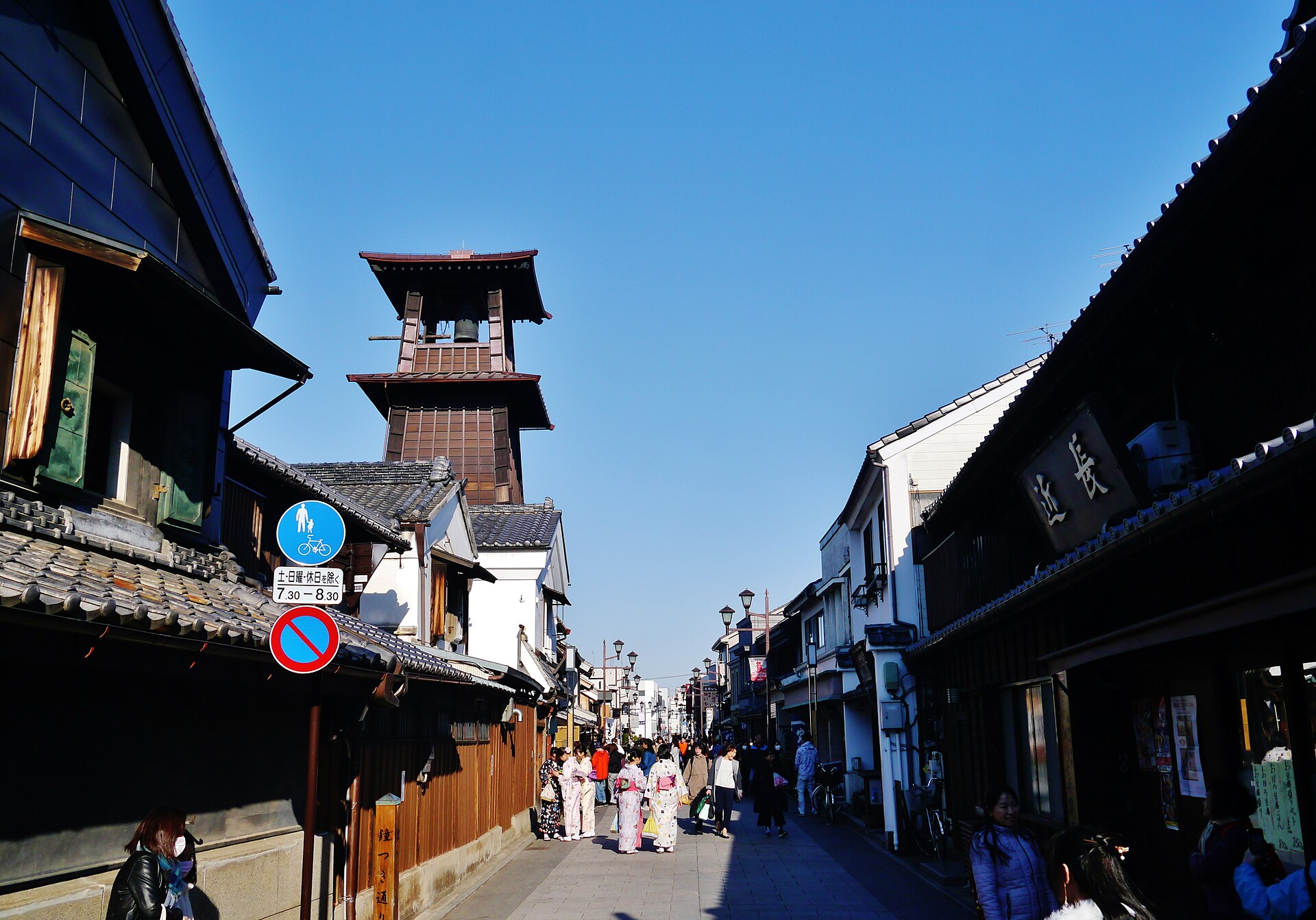
    Black clay walls, heavy tiled roofs and a wooden bell tower ringing over the street: Kawagoe is called “Koedo”, Little Edo, and it lives up to the name.

    The warehouse district

    Kawagoe grew rich as a castle town and as a trading center that supplied Edo (old Tokyo) by river. After a great fire swept the town in 1893, merchants rebuilt their shops in the fireproof kurazukuri style, with thick clay walls and heavy shutters. More than 200 of these buildings remain along Kurazukuri Street (Ichibangai) and nearby lanes, and most are now shops, cafes and restaurants.

    Look for the Osawa House, the oldest kurazukuri merchant house on the street, and the Kurazukuri Museum, set in an old tobacco wholesaler’s shop.

    Toki no Kane, the Bell of Time

    Just off the main street stands Toki no Kane, a three-story wooden bell tower about 16 meters tall. A bell tower has told the town the time here since the early Edo period; the current tower was rebuilt after the 1893 fire. Today the bell rings mechanically four times a day, at 6:00, 12:00, 15:00 and 18:00, and its sound was chosen as one of the “100 Soundscapes of Japan”.

    Kashiya Yokocho, Candy Alley

    A short walk away, Kashiya Yokocho is a narrow lane of small shops selling old-fashioned Japanese sweets and snacks, a tradition dating back to the Meiji era. Kawagoe is also famous for sweet potatoes: try sweet potato ice cream, chips and imo kenpi as you walk.

    Tips

    • Weekends are very crowded. Arrive early, or come on a weekday.
    • Rent a kimono for the day; several shops near the bell tower offer rentals.
    • Walk Taisho Roman Street between Hon-Kawagoe Station and the warehouse district for early-20th-century architecture.
    • Add Kitain Temple and the Kawagoe Hikawa Shrine to your day.

    Getting there

    From Ikebukuro, take the Tobu Tojo Line to Kawagoe or Kawagoeshi Station (about 30 minutes), or the Seibu Shinjuku Line from Seibu-Shinjuku to Hon-Kawagoe. From Kawagoe Station, buses run to the Ichibangai stop near the bell tower.

    Sources and further reading

    Featured image: Zairon / Wikimedia Commons (CC BY-SA 4.0). Practical details such as prices, hours and schedules change often. Please check the official sources before you travel.
  • Menuma Shodenzan: Saitama’s “Little Nikko” of Golden Carvings

    Menuma Shodenzan: Saitama’s “Little Nikko” of Golden Carvings

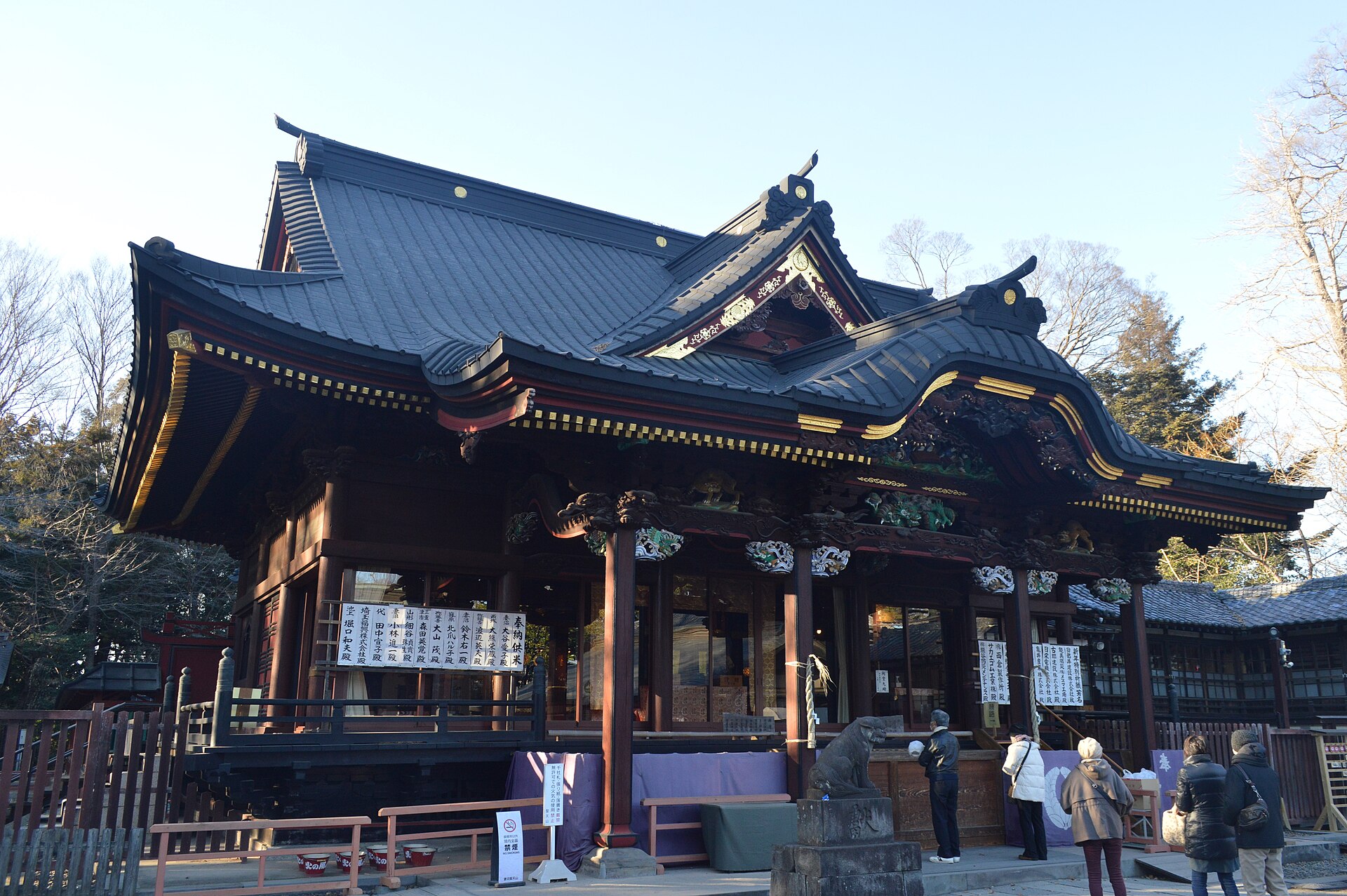
    Gold leaf, vermilion lacquer and thousands of carved figures: the main hall of Menuma Shodenzan is one of the most dazzling buildings in eastern Japan, and almost nobody outside Japan knows about it.

    A temple founded by a legendary samurai

    Menuma Shodenzan Kangiin was founded in 1179 by Saito Sanemori, a samurai whose story appears in The Tale of the Heike and in the Noh play Sanemori. A statue of him stands inside the grounds. The temple is dedicated to Shoden (Kangiten), a Buddhist deity of joy, harmony between couples and success, often linked to the Hindu god Ganesha. It is counted as one of the three great Shoden temples of Japan.

    The Shodendo: a National Treasure

    The main hall, the Shodendo, was completed in the mid-18th century after earlier buildings were lost to fire. It is built in the ornate gongen-zukuri style of Nikko Toshogu, and its outer walls are covered in colorful three-dimensional carvings of Buddhist teachings, Chinese legends and everyday scenes, such as two goddesses playing a board game.

    What makes it special is who paid for it. Most grand buildings of the Edo period were funded by shoguns and lords, but the Shodendo was built with donations from local people. A major restoration completed in 2011 brought back its original colors, and in 2012 it became the first building in Saitama Prefecture to be designated a National Treasure.

    For a small fee, you can walk around the back of the hall to see the carvings up close. Take your time: every panel tells a story.

    Also on the grounds

    • The Kisomon gate, with its unusual triple gables.
    • A stroll garden with Buddhist statues and a small pagoda.
    • The “wedded trees” (meoto no ki), two trees with intertwined roots believed to bring a happy relationship.
    • Cherry blossoms in spring.

    Getting there

    From JR Kumagaya Station (Joetsu/Hokuriku Shinkansen or Takasaki Line), take an Asahi bus bound for Ota Station, Nishi-Koizumi or Menuma Shoden-mae and get off at Menuma Shoden-mae (about 25 minutes).

    Sources and further reading

    Featured image: Asturio Cantabrio / Wikimedia Commons (CC BY-SA 4.0). Practical details such as prices, hours and schedules change often. Please check the official sources before you travel.
  • Gyoda: Oshi Castle and the Old Tabi Warehouses

    Gyoda: Oshi Castle and the Old Tabi Warehouses

    Split-toed tabi socks are worn with kimono, at festivals and on construction sites. For a century, most of them came from one small town in northern Saitama.

    The town of tabi

    Gyoda began making tabi around 300 years ago. When sewing machines arrived in the Meiji era, production boomed, and at its peak Gyoda produced around 80% of all tabi in Japan. Wealthy makers built storehouses (kura) of stone, brick, clay and wood to keep their stock, and many still stand today. In 2017 this story was recognized as a Japan Heritage.

    • Museum of Tabi and Daily Life: housed in a former tabi factory from the early 1900s, with exhibits and demonstrations of traditional tabi-making by craftspeople.
    • Tabi warehouse streets: walk past old kura, some now cafes, galleries and shops. Rickshaw tours are sometimes offered during events.

    Oshi Castle

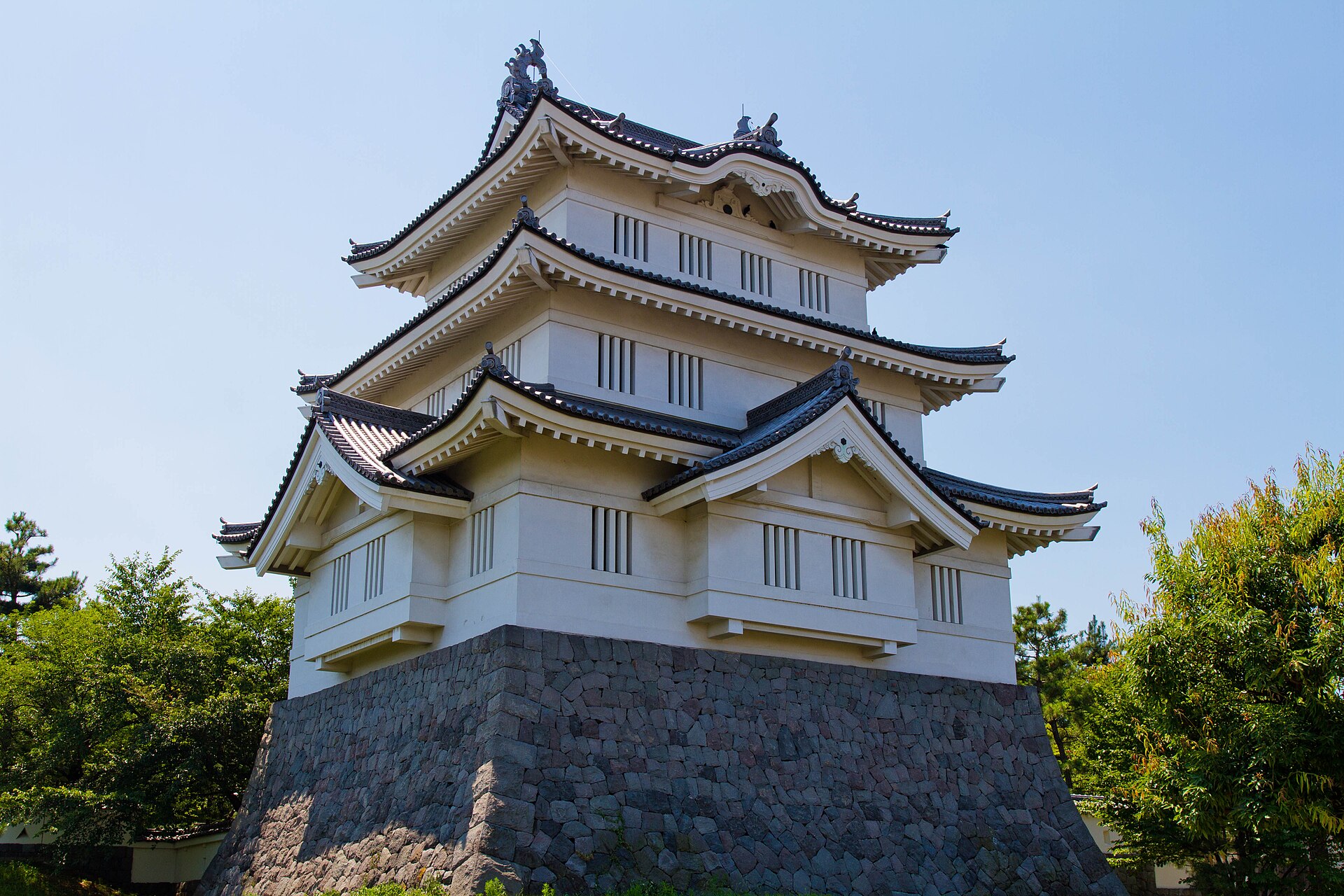
    Oshi Castle was built by the Narita clan in the late 15th century. In 1590, during Toyotomi Hideyoshi’s campaign to unify Japan, his forces tried to flood the castle by building a long dike around it. The castle held out, a story told in the novel and film The Floating Castle (Nobo no Shiro).

    Most of the castle was dismantled in the Meiji era. A three-story turret was reconstructed in 1988 and now houses the Gyoda City Local Museum, with exhibits on the castle, the kofun and the tabi industry. Climb to the top for a view over the city.

    Events

    Gyoda holds Hanachozu weeks several times a year, when shrine water basins and the castle pond are filled with floating flowers, sometimes with light shows at Oshi Castle in the evening.

    Getting there

    Gyodashi Station on the Chichibu Railway is closest to the castle and warehouse streets. JR Gyoda Station on the Takasaki Line is about an hour from Tokyo; from there, use the city loop bus.

    Sources and further reading

    Featured image: baku13 / Wikimedia Commons (CC BY-SA 2.1 jp). Practical details such as prices, hours and schedules change often. Please check the official sources before you travel.
  • Sakitama Kofun Park: Climbing Ancient Burial Mounds in Gyoda

    Sakitama Kofun Park: Climbing Ancient Burial Mounds in Gyoda

    Japan’s ancient keyhole-shaped tombs are usually fenced off and covered in forest. At Sakitama Kofun Park in northern Saitama, you can walk right up onto them.

    Where Saitama got its name

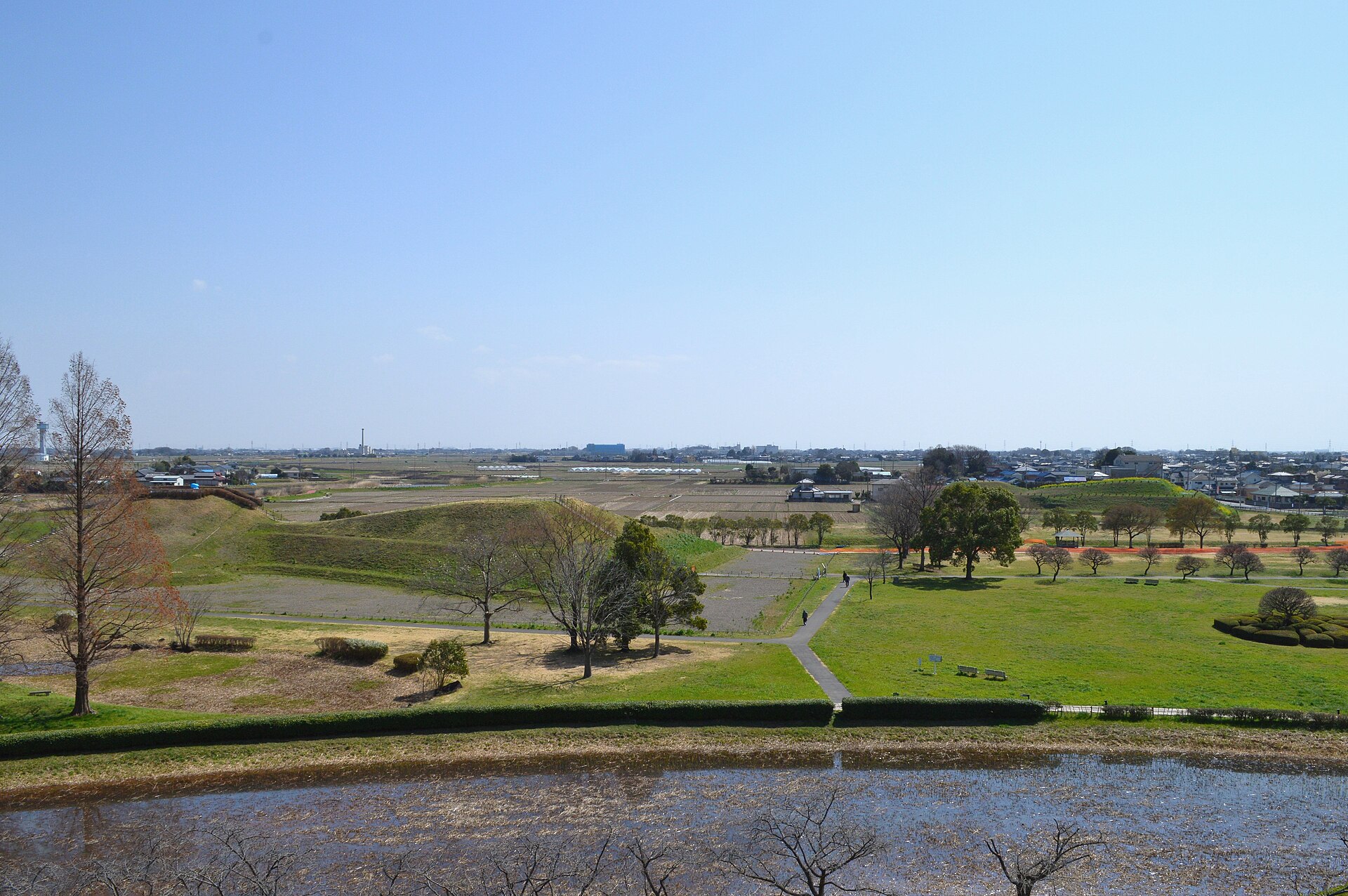
    The Sakitama Kofun Cluster in Gyoda is a group of nine large burial mounds (kofun) built between the second half of the 5th century and the early 7th century for powerful local rulers. The area’s old name, Sakitama, later became “Saitama”, the name of the whole prefecture.

    The cluster was designated a National Historic Site in 1938 and upgraded to a Special National Historic Site in 2020, a rank given only to sites of the highest value.

    The mounds

    • Maruhakayama Kofun: about 105 meters across and 19 meters high, one of the largest round burial mounds in Japan. Climb the steps for a view over the flat rice country.
    • Inariyama Kofun: a keyhole-shaped mound about 120 meters long, which you can also climb.
    • Futagoyama Kofun: the largest keyhole-shaped mound in the cluster, at about 138 meters.

    The Inariyama Sword

    In 1968, excavations at Inariyama Kofun found an iron sword. Years later, X-ray examination revealed 115 characters inlaid in gold on its blade. The inscription names a local warrior who served a great king, believed to be Emperor Yuryaku, making it one of the most important written records of 5th-century Japan. The sword and other grave goods were designated National Treasures in 1983.

    You can see the sword at the Saitama Prefectural Museum of the Sakitama Ancient Burial Mounds in the park, along with mirrors, armor, horse fittings and haniwa clay figures. At the nearby Haniwa no Yakata, you can try making your own haniwa.

    Address4834 Sakitama, Gyoda, Saitama
    Museum closedMondays (or the next day if Monday is a holiday) and over New Year
    AccessJR Takasaki Line to Fukiage or Gyoda Station, then city bus; or about 40 min by car from the Higashi-Matsuyama IC

    Make a day of it

    Gyoda is perfect for a full day: the kofun in the morning, the tabi warehouses and Oshi Castle at lunchtime, and the ancient lotus park and rice paddy art in the afternoon (in season).

    Sources and further reading

    Featured image: Saigen Jiro / Wikimedia Commons (CC0). Practical details such as prices, hours and schedules change often. Please check the official sources before you travel.

  • From Ancient Kilns to Satellites: A Day of History and Space in Hatoyama

    From Ancient Kilns to Satellites: A Day of History and Space in Hatoyama

    In one small Saitama town you can stand where potters fired roof tiles 1,300 years ago, then watch how satellites photograph the Earth today.

    The Minami-Hiki kiln sites

    The hills of southern Hiki were once one of the largest pottery-producing areas in eastern Japan. In ancient times, potters dug kilns into the slopes here to fire sueki stoneware and roof tiles for the province of Musashi.

    In December 2022, Japan’s Council for Cultural Affairs recommended the Minami-Hiki Kiln Sites (Minami-Hiki Kamaato) for designation as a National Historic Site, the first in Hatoyama. Much of the site is in quiet woodland, so the best way to understand it is to visit the town’s history materials and follow local walking guides. Ask at the town office for current information about viewing areas and events.

    The JAXA Earth Observation Center

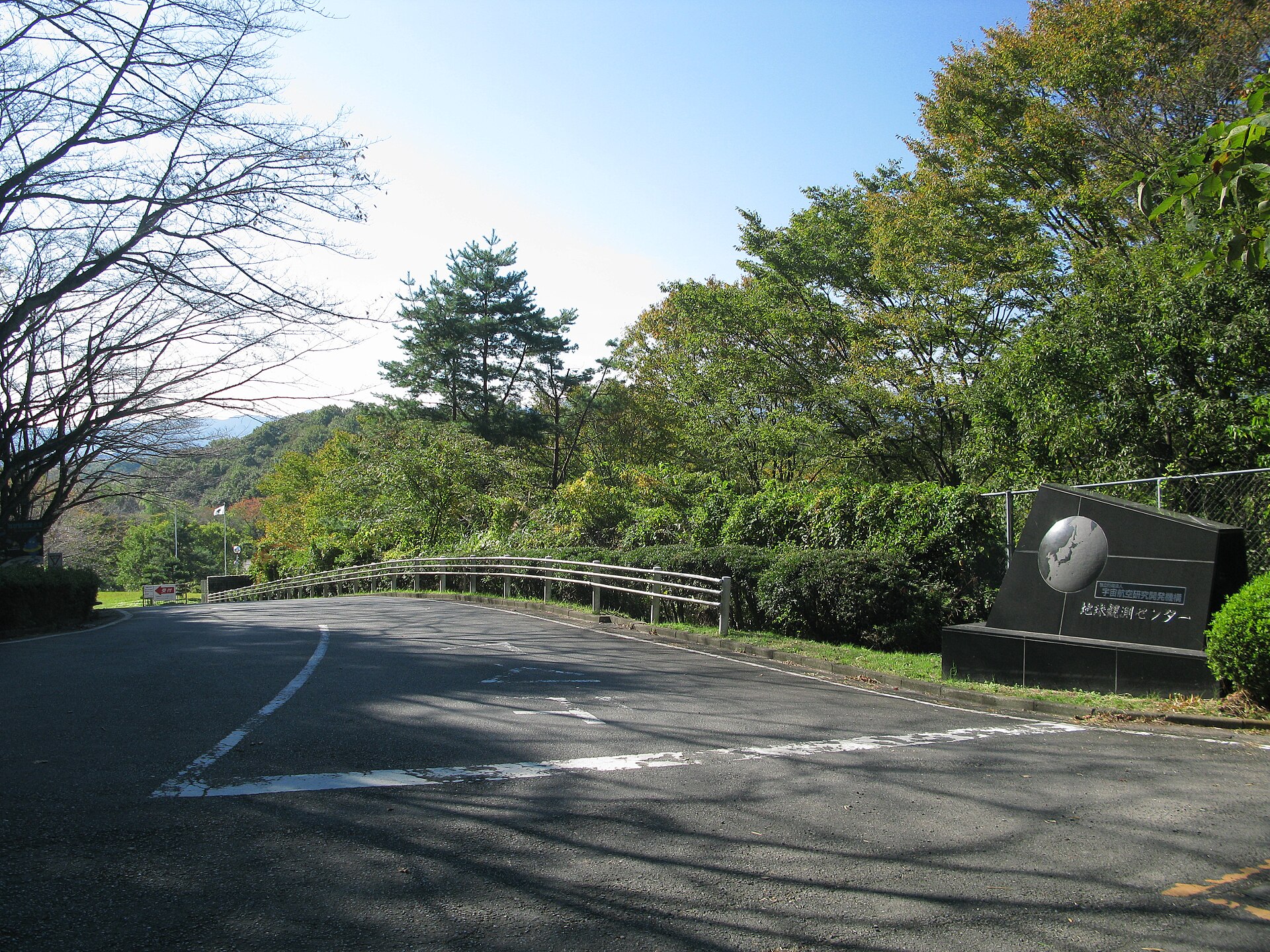
    A short drive away, the JAXA Earth Observation Center receives and processes data from Earth observation satellites. Its exhibition room is the only place in Saitama that shows the Earth as seen from space: satellite images of Japan and the world, models of satellites and explanations of how they are used for weather, disaster response and the environment.

    Address1401 Numanoue, Oaza Ohashi, Hatoyama, Saitama
    Hours10:00–16:30 (closed over New Year and on some temporary days)
    AdmissionFree; guided tours require a reservation
    AccessBus from Takasaka Station (Tobu Tojo Line) toward Hatoyama New Town, then a walk; about 15 min by car from Sakado-Nishi Smart IC

    Why come?

    Hatoyama is not a tourist town, and that is its charm. Pair the ancient kilns and the space center with a satoyama walk at Ishizaka no Mori for a day that spans a thousand years of human history in one quiet landscape.

    Sources and further reading

    Featured image: 京浜にけ / Wikimedia Commons (CC BY-SA 3.0). Practical details such as prices, hours and schedules change often. Please check the official sources before you travel.