Category: Uninhabited Island Tours

Day trips and overnight stays on Japan’s deserted islands.

  • Hate no Hama: A Sandbar Island at the End of the Sea, Okinawa

    Hate no Hama: A Sandbar Island at the End of the Sea, Okinawa

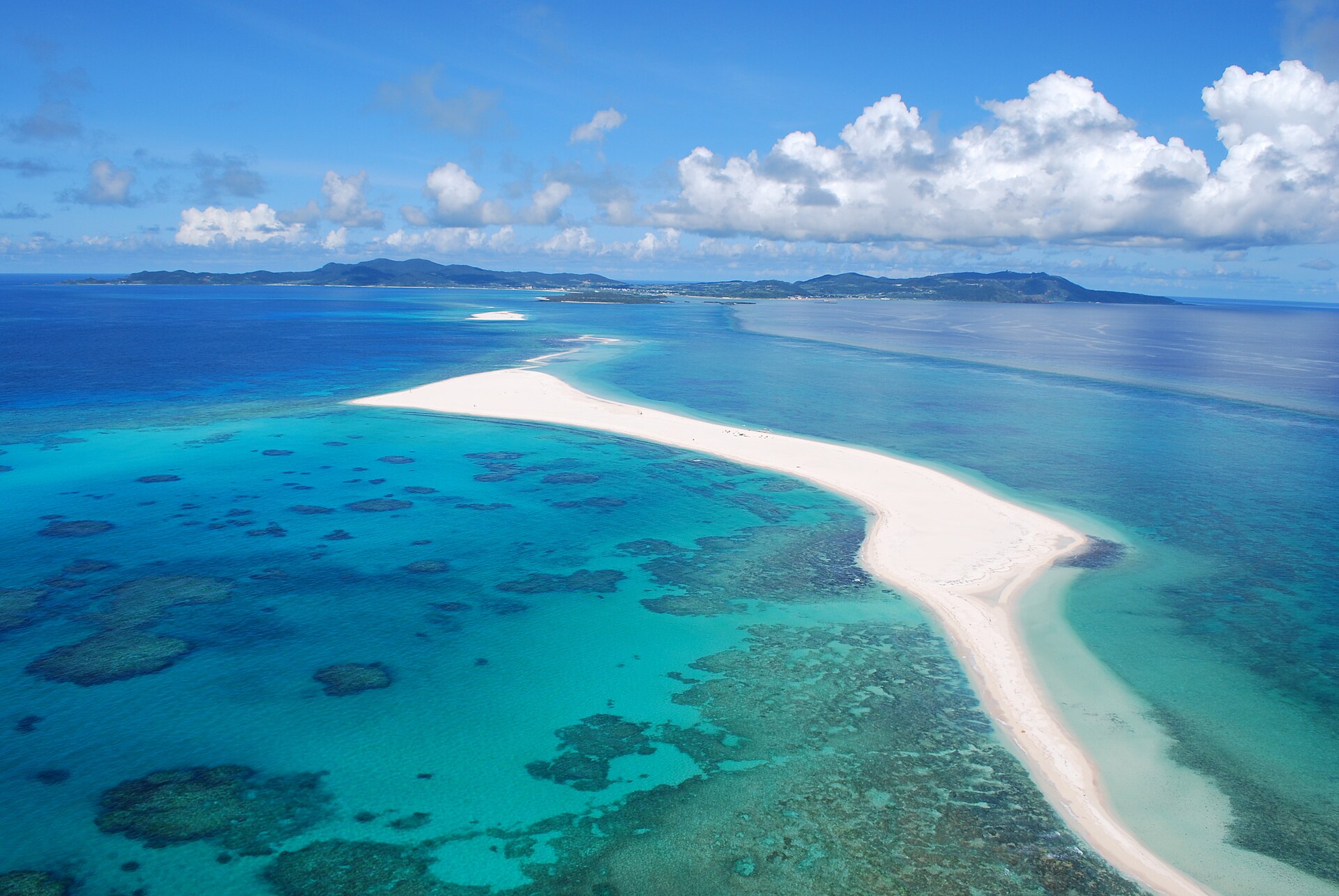
    Look out of the window as your plane lands on Kumejima and you will see it: a thin line of brilliant white sand surrounded by turquoise sea. That line is Hate no Hama, whose name means “the beach at the end”.

    What is Hate no Hama?

    Hate no Hama is a chain of uninhabited sandbars about 5 kilometers east of Kumejima, a remote island about 100 kilometers west of Okinawa Island. It is made up of three sandbars, Mae no Hama, Naka no Hama and Hate no Hama, stretching about 7 kilometers in total. They are made entirely of sand and coral fragments, with no trees, no buildings and no shade.

    The water is extremely clear and shallow, and the beach is often called one of the most beautiful in East Asia. It even appeared in a commercial for Google.

    How to visit

    You cannot reach Hate no Hama on your own. Visitors join a boat tour run by local operators from the ports of Kumejima. The boat ride takes roughly 15 to 30 minutes. Popular options include:

    • Half-day tours with about 1 to 1.5 hours on the sandbar.
    • Glass-bottom boat tours that let you see coral and fish on the way.
    • Snorkeling tours, where you may spot clownfish and, with luck, sea turtles.
    • Full-day tours with lunch and more time on the beach.

    Tours usually include the boat fare and basic facilities, such as a simple toilet and shaded rest area on the sandbar. Prices start at a few thousand yen.

    Tips

    • There is no natural shade at all. Bring reef-safe sunscreen, a hat, sunglasses and a rash guard.
    • Bring plenty of drinking water.
    • Calm, sunny days between April and October are best for swimming and snorkeling. In winter, tours still run but time on the sandbar may be shorter.
    • Tides and wind decide everything. Tours can be cancelled at short notice in bad weather.
    • Take only photos: do not take sand or coral home.

    Getting to Kumejima

    Kumejima is about 35 minutes by plane from Naha Airport on Okinawa Island, or around three hours by ferry from Tomari Port in Naha. In summer there are also some direct flights from Tokyo Haneda. Stay at least one night to enjoy the island’s quiet beaches, its unusual rock formations and its laid-back pace.

    Sources and further reading

    Featured image: Kumejima93_OKINAWA / Wikimedia Commons (CC BY 4.0). Practical details such as prices, hours and schedules change often. Please check the official sources before you travel.
  • Tomogashima: Exploring the Abandoned Forts of an Uninhabited Island

    Tomogashima: Exploring the Abandoned Forts of an Uninhabited Island

    Moss-covered brick tunnels, rusting gun emplacements and empty barracks slowly being reclaimed by the forest: Tomogashima feels like an island from an adventure film, yet it is only about 20 minutes by ferry from the mainland.

    Islands at the gate of Osaka Bay

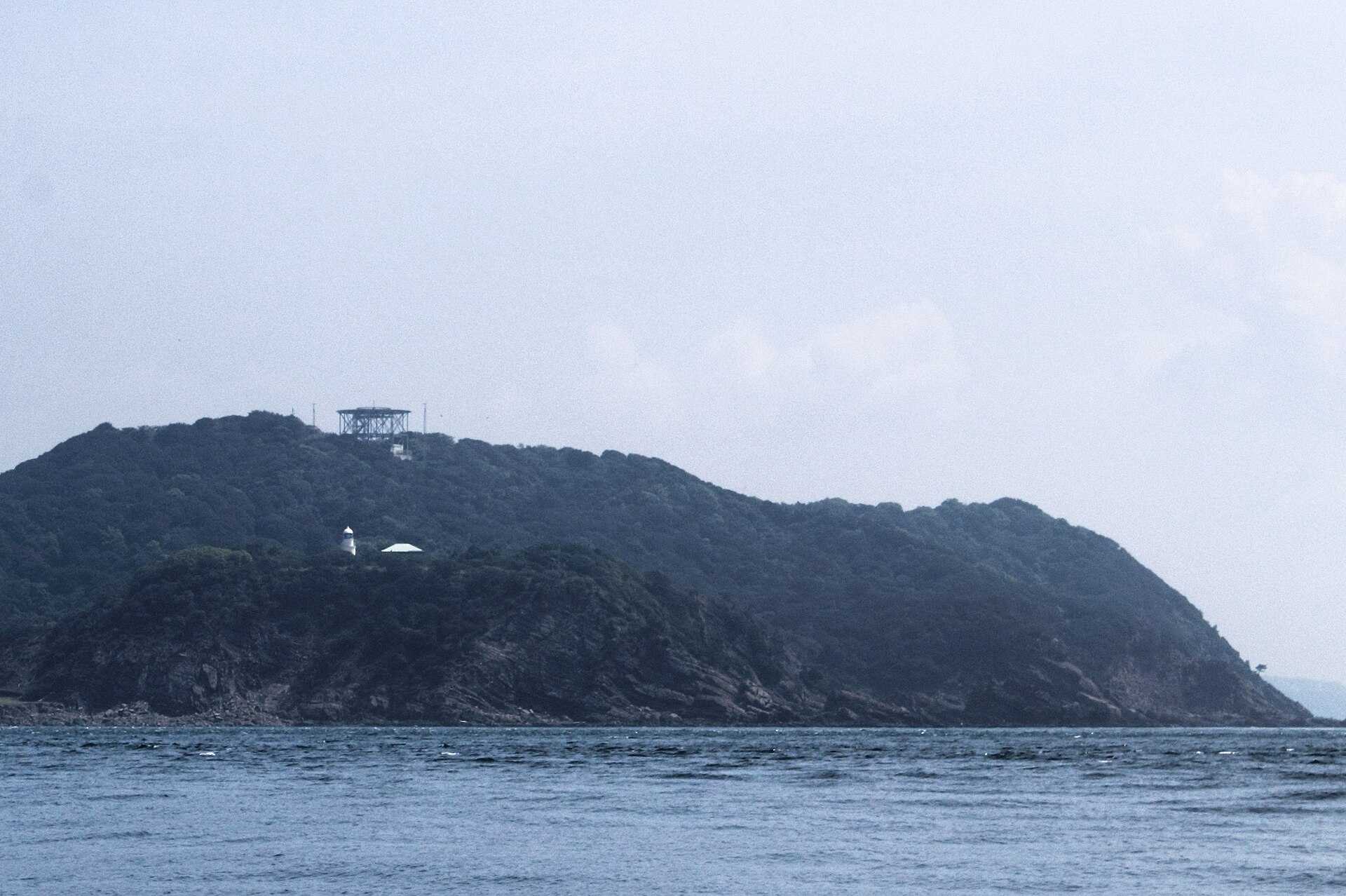
    Tomogashima is a group of four uninhabited islands (Okinoshima, Jinoshima, Torajima and Kamijima) in the Kitan Strait between the Kii Peninsula and Awaji Island. Because they guard the entrance to Osaka Bay, the islands were fortified from the Meiji era onward and served as a military base until the end of the Second World War. After the war the forts were abandoned, and the islands became part of the Setonaikai National Park.

    Visitors can land only on Okinoshima, the largest island. Its forest paths link several of the old batteries, a lighthouse and lookout points over the strait. Many people say the overgrown ruins look like a scene from Studio Ghibli’s Castle in the Sky, which has made the island popular with photographers.

    Highlights

    • The Third Battery: the largest and most atmospheric ruin, with long dark tunnels and brick ammunition rooms. Bring a flashlight.
    • Tomogashima Lighthouse: one of the oldest Western-style lighthouses in Japan, built in the Meiji period.
    • Mount Takenosu Observatory: views across the strait to Awaji Island.
    • Pebble beaches, wildflowers and plenty of quiet.

    Planning your trip

    • The ferry to Okinoshima is run by Tomogashima Kisen from Kada Port. The crossing takes about 20 minutes, and a round trip costs around 2,000–2,200 yen for adults.
    • The number of sailings changes by season. Ferries may not run on some weekdays or in rough weather, so check the timetable before you go.
    • Do not miss the last ferry. There are no shops, hotels or regular services on the island.
    • A loop hike visiting the main sights takes about two to three hours. The paths are steep in places and some ruins are dark and slippery, so wear proper shoes.
    • Camping is possible at designated sites if you reserve in advance, a rare chance to spend a night on a deserted island close to a major city.

    Bring: water, food, a flashlight or headlamp, insect repellent in summer, and a bag to carry all your trash back to the mainland.

    Getting there

    From Wakayama City, take the Nankai Kada Line from Wakayama-shi Station to Kada Station (about 30 minutes). Kada Port is about a 20-minute walk from the station. Kada itself is a charming fishing town, home to Awashima Shrine, which is famous for its thousands of dolls.

    Sources and further reading

    Featured image: 藤谷良秀 / Wikimedia Commons (CC BY-SA 4.0). Practical details such as prices, hours and schedules change often. Please check the official sources before you travel.