Category: Hidden Gems

Offbeat, little-known places in Japan that most travel guides skip.

  • Sayama Hills: Walking the Forests That Inspired a Famous Anime

    Sayama Hills: Walking the Forests That Inspired a Famous Anime

    Between Saitama and Tokyo, just beyond the suburbs, lies an island of woodland, farm fields and reservoirs. People here have spent decades saving it, one small plot at a time.

    A forest saved by citizens

    The Sayama Hills are a low range of wooded hills on the border of Tokorozawa and western Tokyo. The area is said to be one of the places that inspired the countryside setting of Hayao Miyazaki’s 1988 film My Neighbor Totoro.

    In 1990, local residents started a national trust movement to protect the hills from development, and in 1998 it became the Totoro no Furusato Foundation. With donations from people and companies across Japan, it has bought dozens of small plots of woodland, called “Totoro’s Forests” (Totoro no Mori). Volunteers manage them, cutting bamboo, clearing paths and keeping the satoyama landscape bright and healthy.

    Things to see

    • The Totoro’s Forests: numbered plots scattered through the northern Sayama Hills, linked by walking paths and nature trails.
    • Kurosuke’s House: a traditional farmhouse built more than 100 years ago, now a registered Tangible Cultural Property and the foundation’s base. It opens on limited days (Tuesday, Wednesday and Saturday, 10:00–15:00) and requires a reservation; admission is about 500 yen.
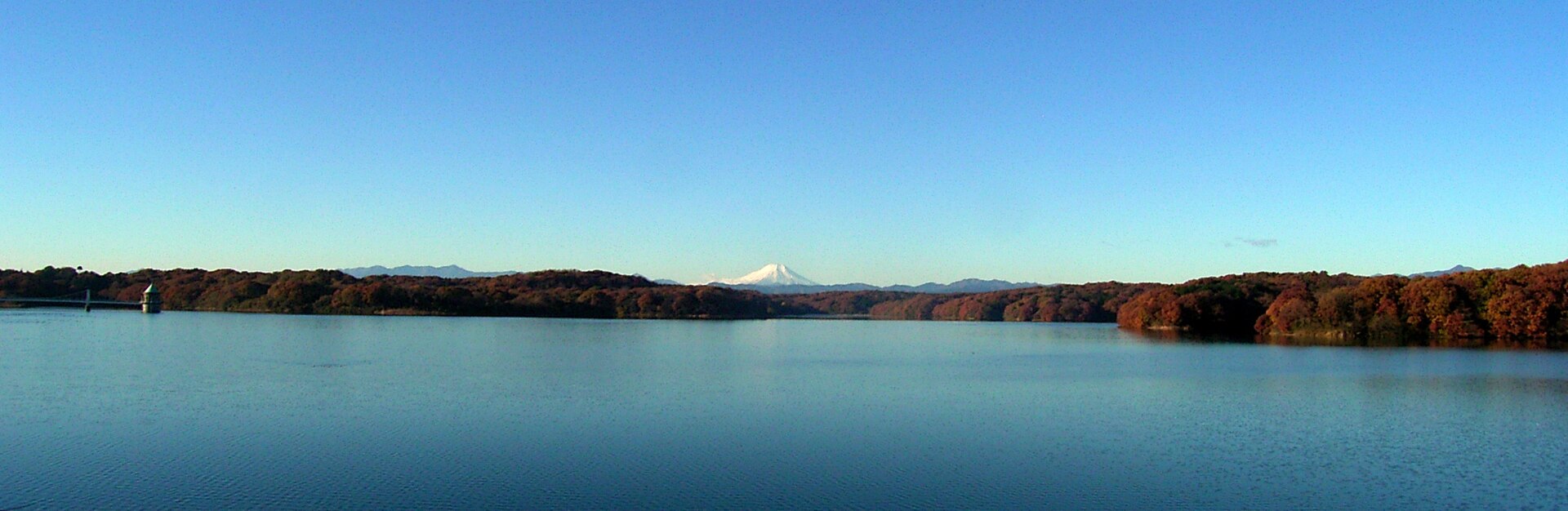
    • Lake Sayama and Lake Tama: reservoirs surrounded by forest, with views of Mount Fuji on clear winter days.
    • Saitama Midori-no-Mori Nature Park and the Sayama Hill Flora and Fauna Interaction Center, good starting points for walks.

    Visiting respectfully

    These are working conservation forests, not a theme park. Stay on the paths, take your trash home, and do not pick plants. There is no parking at Kurosuke’s House, so come by public transport.

    Getting there

    From Kotesashi Station (Seibu Ikebukuro Line), take a Seibu bus toward Miyadera-nishi or Waseda University. Seibu-Kyujo-mae Station is another starting point; from there it is a scenic walk of about 45 minutes to Kurosuke’s House.

    Sources and further reading

    Featured image: DS80s / Wikimedia Commons (CC BY-SA 3.0). Practical details such as prices, hours and schedules change often. Please check the official sources before you travel.
  • Kadokawa Culture Museum: A Stone Fortress of Books in Tokorozawa

    Kadokawa Culture Museum: A Stone Fortress of Books in Tokorozawa

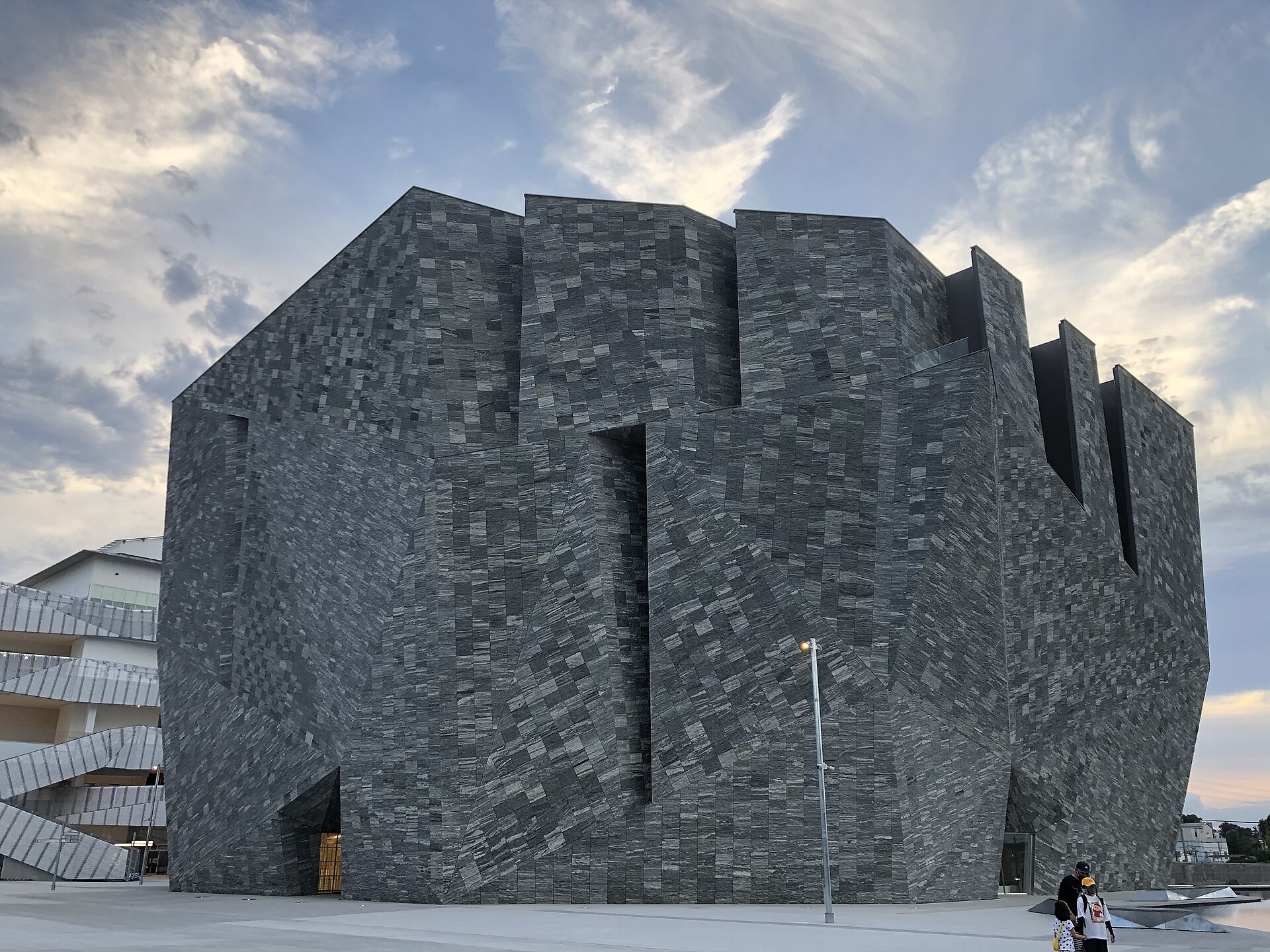
    From outside, it looks like a huge block of rock that fell from the sky. Inside, it is a city of books.

    The building

    The Kadokawa Culture Museum (Kadokawa Musashino Museum) is the landmark of Tokorozawa Sakura Town, a pop-culture complex created by the publisher KADOKAWA together with the city of Tokorozawa. It opened in 2020. The architect Kengo Kuma, who also designed Tokyo’s National Stadium, wrapped the 40-meter-tall museum in thousands of rough granite panels, creating an angular shape that changes as you walk around it.

    Inside: books, art and anime

    • Edit Town and Book Street: on the fourth floor, tens of thousands of books are arranged not by publisher or genre but by unexpected connections, inviting you to wander and discover. Many are on open shelves for browsing.
    • Bookshelf Theater: a soaring hall lined with wooden bookshelves about eight meters high. Projection mapping shows turn the walls of books into a moving artwork. It is the most photographed spot in the building.
    • Aramata Wunderkammer: a “cabinet of curiosities” of strange objects collected by the writer Hiroshi Aramata.
    • Galleries: changing exhibitions of art, manga, anime and design, including the EJ Anime Museum.

    Around the museum

    Tokorozawa Sakura Town also includes the striking Musashino Reiwa Shrine, shops, restaurants and an event hall. In the neighboring Higashi-Tokorozawa Park, the teamLab installation Resonating Life in the Acorn Forest lights up the trees at night.

    Practical information

    • Tickets are sold by area (for example, the Bookshelf Theater and Edit Town, or a specific exhibition). Check the official website for current prices and opening days.
    • Allow at least two hours inside.
    • Weekends can be busy; consider booking tickets online.

    Getting there

    Tokorozawa Sakura Town is about a 10-minute walk from JR Higashi-Tokorozawa Station on the Musashino Line. From central Tokyo, change at Minami-Urawa or Nishi-Kokubunji, or take a bus from Tokorozawa Station.

    Sources and further reading

    Featured image: Kaijooo / Wikimedia Commons (CC BY-SA 4.0). Practical details such as prices, hours and schedules change often. Please check the official sources before you travel.
  • Walking the Abt Road to Megane Bridge at Usui Pass

    Walking the Abt Road to Megane Bridge at Usui Pass

    Before the Shinkansen tunneled straight through the mountains, trains between Tokyo and Karuizawa had to crawl up one of the steepest railway slopes in Japan. The old route is now a walking trail, and its centerpiece is a magnificent brick bridge.

    A railway that climbed with teeth

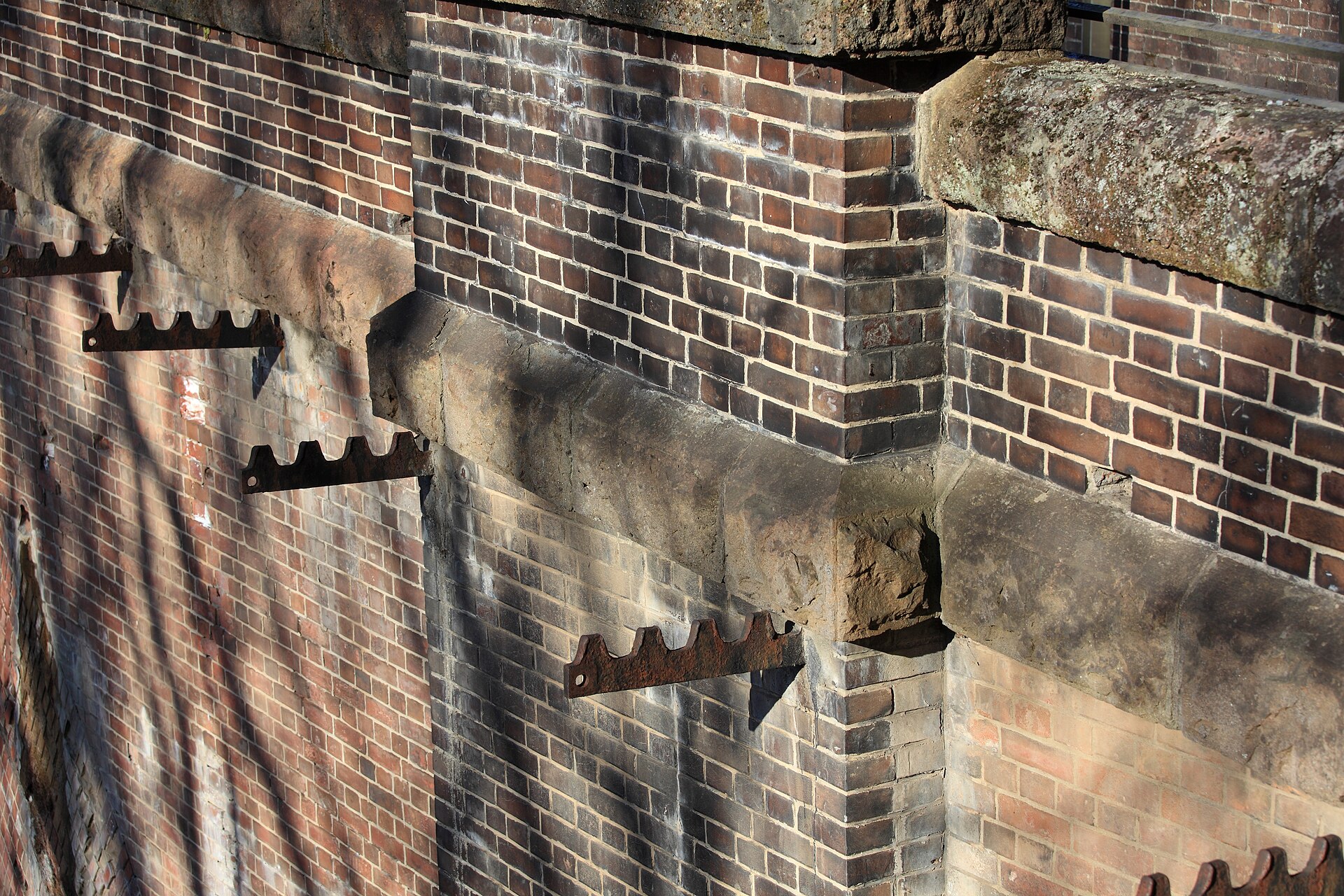
    The Usui Pass separates Yokokawa in Gunma Prefecture from Karuizawa in Nagano. The railway built over it in 1893 was so steep that it used the Abt system: a toothed rack rail between the tracks that engines gripped with cogwheels to haul trains up the slope. When a new line opened in 1963, the old route was abandoned.

    Usui Third Bridge: “Megane-bashi”

    The star of the trail is the Usui Third Bridge, completed in 1892. With four great arches, it is the largest brick arch bridge in Japan, about 91 meters long and 31 meters high. Locals call it Megane-bashi, the “spectacles bridge”, because of the shape of its arches. It was designated an Important Cultural Property in 1993.

    You can walk across the top of the bridge and look down into the valley, or view it from below, where the red brick is framed by green leaves in summer and blazing colors in autumn.

    The Abt Road trail

    In 2001, the old track bed was turned into a walking trail of about 6 kilometers called the Abt Road (Abt no Michi). It passes over several bridges and through ten tunnels, some of them dark and atmospheric. The route is gentle enough for families but long enough to feel like an adventure.

    • Start at JR Yokokawa Station and the Usui Pass Railway Heritage Park, a railway museum with old locomotives.
    • Walk about 1.5 hours to Megane-bashi, passing the Maruyama substation, Toge-no-Yu hot spring and Lake Usui.
    • Continue to the end of the trail, or return by seasonal bus.

    Getting there

    • JR Shin’etsu Line from Takasaki to Yokokawa Station (about 30 minutes).
    • A seasonal JR bus runs between Yokokawa and Karuizawa with a stop at Megane-bashi.
    • By car, about 15 minutes from the Matsuida-Myogi IC; there is a small parking lot about 300 m from the bridge.

    Tip: bring a flashlight for the tunnels, and try the famous Toge no Kamameshi (rice cooked in a clay pot) sold at Yokokawa Station.

    Sources and further reading

    Featured image: TANAKA Juuyoh (田中十洋) / Wikimedia Commons (CC BY 2.0). Practical details such as prices, hours and schedules change often. Please check the official sources before you travel.
  • Watching Giant Flying Squirrels at Night in Karuizawa

    Watching Giant Flying Squirrels at Night in Karuizawa

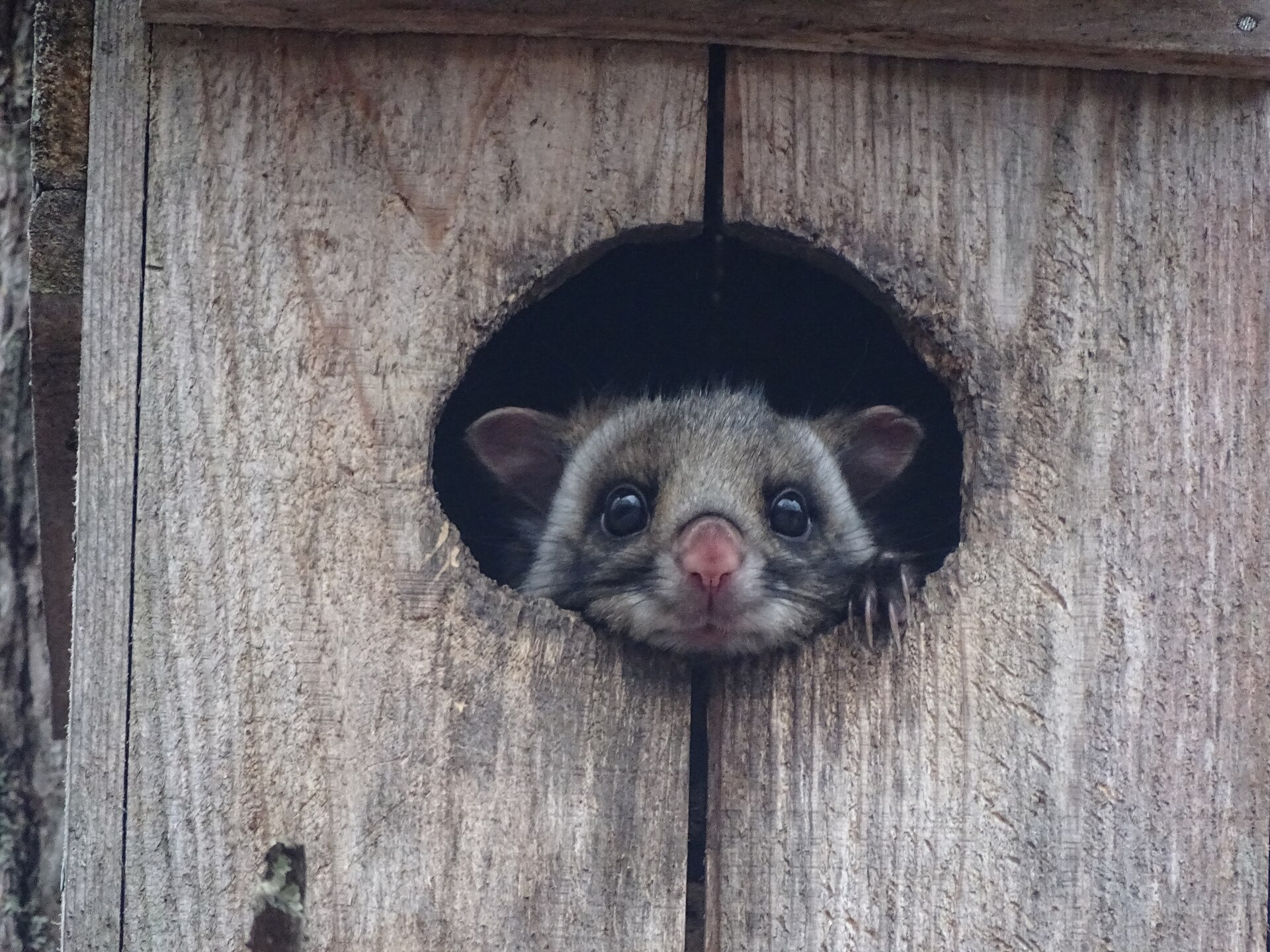
    As the sun goes down, a furry face appears in a hole in a tree. Then the animal leaps, spreads its body like a cape, and glides silently over your head.

    The musasabi

    The Japanese giant flying squirrel (musasabi) is found only in Japan and is one of the largest flying squirrels in the world. It lives in old forests with big trees, sleeps during the day in tree holes and comes out at night to feed on leaves, buds and seeds. A single glide can carry it well over 100 meters.

    Picchio and the Wild Bird Sanctuary

    In the Hoshino area of Karuizawa, next to Hoshino Resorts, lies the Karuizawa Wild Bird Sanctuary, home to around 80 species of birds. The nature tour team Picchio (Italian for “woodpecker”) researches and protects wildlife here and runs guided tours for visitors.

    Picchio has studied the flying squirrels since 1995 and runs Japan’s first tour focused on them. Its guides know exactly where the squirrels nest, and the sighting rate is reported to be over 95%.

    What the tour is like

    • The tour starts around sunset with a short lecture on the squirrels’ body, food and habits.
    • Then the group walks into the forest with binoculars and waits quietly near a nest.
    • When a squirrel comes out and glides, everyone sees it together. The whole tour takes about 1.5 to 2 hours.
    • Children are welcome, and English-language guiding is available.
    SeasonApproximately March to November (check the current year’s dates)
    PriceAround 3,300 yen for adults (may change)
    BookingReservation required
    AccessAbout 15 minutes by taxi from Karuizawa Station, or a walk from Naka-Karuizawa Station

    Tip: evenings are cold even in summer. Bring a warm layer, wear dark clothes and leave the flash off: the squirrels are wild animals.

    Picchio also runs daytime nature walks and early-morning birdwatching tours, a great way to see the forests of Karuizawa beyond the shopping streets.

    Sources and further reading

    Featured image: Christoph Moning / Wikimedia Commons (CC BY 4.0). Practical details such as prices, hours and schedules change often. Please check the official sources before you travel.
  • Sakitama Kofun Park: Climbing Ancient Burial Mounds in Gyoda

    Sakitama Kofun Park: Climbing Ancient Burial Mounds in Gyoda

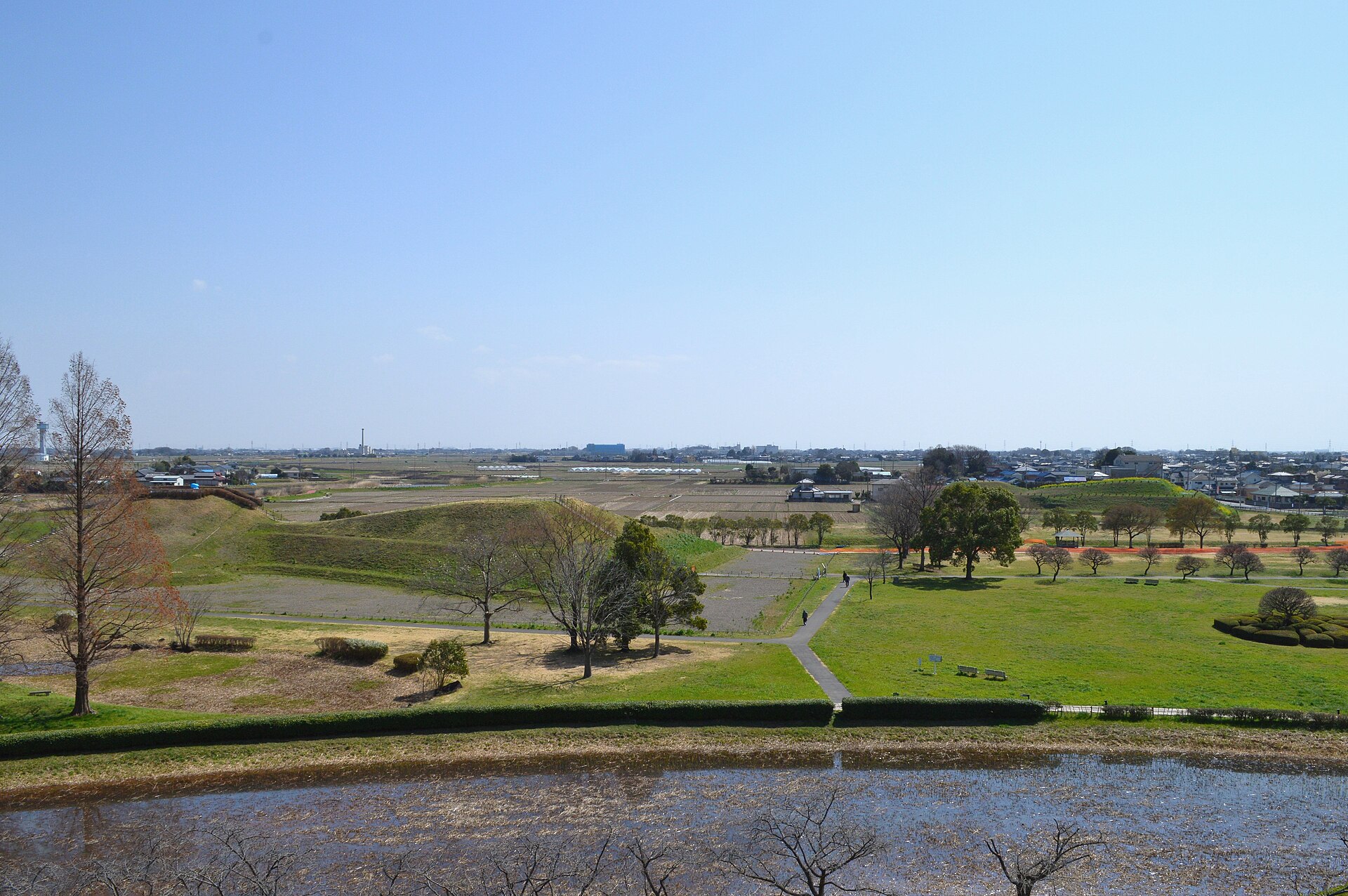
    Japan’s ancient keyhole-shaped tombs are usually fenced off and covered in forest. At Sakitama Kofun Park in northern Saitama, you can walk right up onto them.

    Where Saitama got its name

    The Sakitama Kofun Cluster in Gyoda is a group of nine large burial mounds (kofun) built between the second half of the 5th century and the early 7th century for powerful local rulers. The area’s old name, Sakitama, later became “Saitama”, the name of the whole prefecture.

    The cluster was designated a National Historic Site in 1938 and upgraded to a Special National Historic Site in 2020, a rank given only to sites of the highest value.

    The mounds

    • Maruhakayama Kofun: about 105 meters across and 19 meters high, one of the largest round burial mounds in Japan. Climb the steps for a view over the flat rice country.
    • Inariyama Kofun: a keyhole-shaped mound about 120 meters long, which you can also climb.
    • Futagoyama Kofun: the largest keyhole-shaped mound in the cluster, at about 138 meters.

    The Inariyama Sword

    In 1968, excavations at Inariyama Kofun found an iron sword. Years later, X-ray examination revealed 115 characters inlaid in gold on its blade. The inscription names a local warrior who served a great king, believed to be Emperor Yuryaku, making it one of the most important written records of 5th-century Japan. The sword and other grave goods were designated National Treasures in 1983.

    You can see the sword at the Saitama Prefectural Museum of the Sakitama Ancient Burial Mounds in the park, along with mirrors, armor, horse fittings and haniwa clay figures. At the nearby Haniwa no Yakata, you can try making your own haniwa.

    Address4834 Sakitama, Gyoda, Saitama
    Museum closedMondays (or the next day if Monday is a holiday) and over New Year
    AccessJR Takasaki Line to Fukiage or Gyoda Station, then city bus; or about 40 min by car from the Higashi-Matsuyama IC

    Make a day of it

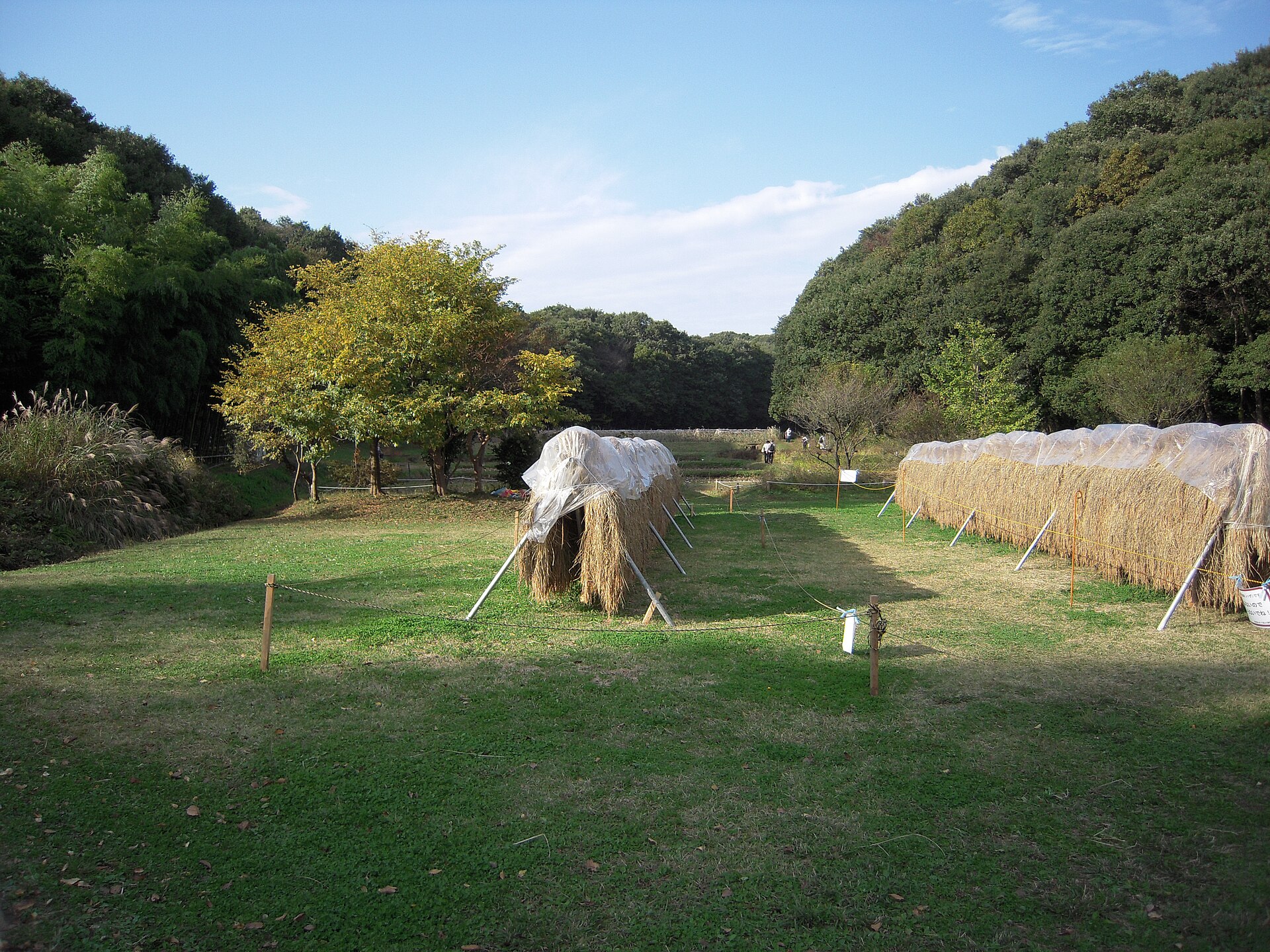
    Gyoda is perfect for a full day: the kofun in the morning, the tabi warehouses and Oshi Castle at lunchtime, and the ancient lotus park and rice paddy art in the afternoon (in season).

    Sources and further reading

    Featured image: Saigen Jiro / Wikimedia Commons (CC0). Practical details such as prices, hours and schedules change often. Please check the official sources before you travel.
  • Hatoyama: Quiet Satoyama Walks in the Hiki Hills

    Hatoyama: Quiet Satoyama Walks in the Hiki Hills

    Not every trip needs a famous sight. In Hatoyama, the attraction is the landscape itself: coppiced woods, small valleys with rice paddies, frogs, dragonflies and the sound of the wind in the oak trees.

    What is satoyama?

    Satoyama describes the traditional Japanese countryside between village and mountain: mixed woodland once cut for firewood and charcoal, small rice fields in narrow valleys (yatsuda), ponds and farmland. Managed by people for centuries, these landscapes became some of the richest habitats for wildlife in Japan. When rural life changed, many were abandoned or developed.

    Hatoyama, a town in Hiki District in central Saitama, still has plenty of this landscape, and local groups work hard to protect it.

    Places to walk

    • Ishizaka no Mori (Ishizaka Forest): a satoyama woodland where you can easily feel the breath of nature, with walking paths through mixed forest.
    • The forests around Kumai: the local NPO Hatoyama Environment Forum looks after woodlands here and has been turning an abandoned rice field into a biotope for native species such as the Tokyo salamander. Already, dragonflies and loaches have returned.
    • Rice paddies and small valleys across town, especially beautiful in June when the fields are flooded and in September when the rice turns gold.

    Join in

    Hatoyama’s conservation groups regularly hold events such as forest work days, sweet potato digging and nature walks. Joining one is a wonderful way to meet local people and learn how satoyama is maintained. Check the Hatoyama Environment Forum’s website for upcoming events.

    Combine with

    • The JAXA Earth Observation Center and the ancient Minami-Hiki kiln sites, both in Hatoyama.
    • The Saitama Children’s Zoo in neighboring Higashi-Matsuyama.
    • Tokigawa and its hot springs, about 20 minutes away by car.

    Getting there

    From Takasaka Station on the Tobu Tojo Line, local buses run toward Hatoyama New Town. A car or bicycle is recommended for exploring the countryside. Bring insect repellent in summer and wear shoes that can handle muddy paths.

    Sources and further reading

    Featured image: four horsemen / Wikimedia Commons (CC BY-SA 3.0). Practical details such as prices, hours and schedules change often. Please check the official sources before you travel.
  • From Ancient Kilns to Satellites: A Day of History and Space in Hatoyama

    From Ancient Kilns to Satellites: A Day of History and Space in Hatoyama

    In one small Saitama town you can stand where potters fired roof tiles 1,300 years ago, then watch how satellites photograph the Earth today.

    The Minami-Hiki kiln sites

    The hills of southern Hiki were once one of the largest pottery-producing areas in eastern Japan. In ancient times, potters dug kilns into the slopes here to fire sueki stoneware and roof tiles for the province of Musashi.

    In December 2022, Japan’s Council for Cultural Affairs recommended the Minami-Hiki Kiln Sites (Minami-Hiki Kamaato) for designation as a National Historic Site, the first in Hatoyama. Much of the site is in quiet woodland, so the best way to understand it is to visit the town’s history materials and follow local walking guides. Ask at the town office for current information about viewing areas and events.

    The JAXA Earth Observation Center

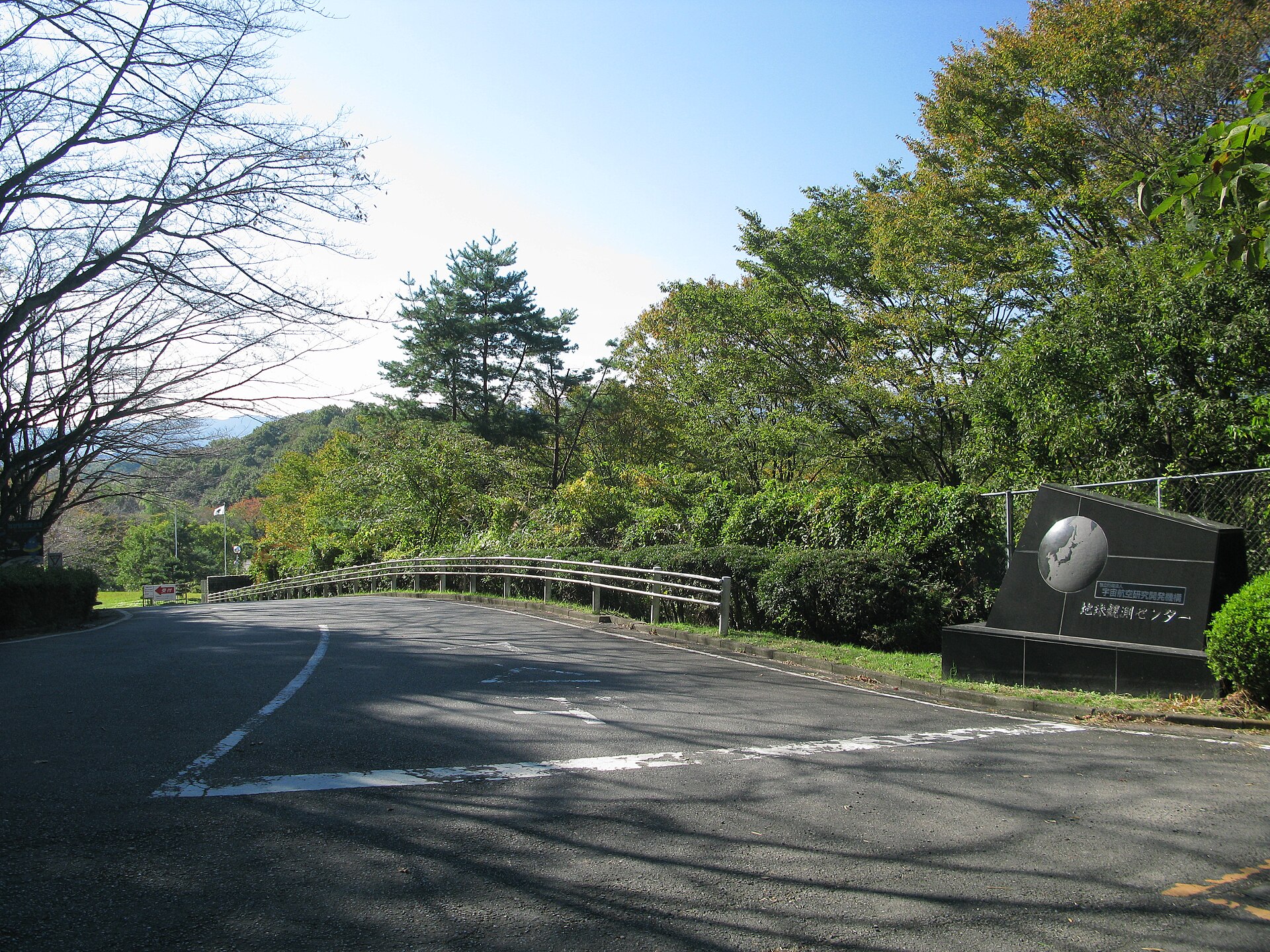
    A short drive away, the JAXA Earth Observation Center receives and processes data from Earth observation satellites. Its exhibition room is the only place in Saitama that shows the Earth as seen from space: satellite images of Japan and the world, models of satellites and explanations of how they are used for weather, disaster response and the environment.

    Address1401 Numanoue, Oaza Ohashi, Hatoyama, Saitama
    Hours10:00–16:30 (closed over New Year and on some temporary days)
    AdmissionFree; guided tours require a reservation
    AccessBus from Takasaka Station (Tobu Tojo Line) toward Hatoyama New Town, then a walk; about 15 min by car from Sakado-Nishi Smart IC

    Why come?

    Hatoyama is not a tourist town, and that is its charm. Pair the ancient kilns and the space center with a satoyama walk at Ishizaka no Mori for a day that spans a thousand years of human history in one quiet landscape.

    Sources and further reading

    Featured image: 京浜にけ / Wikimedia Commons (CC BY-SA 3.0). Practical details such as prices, hours and schedules change often. Please check the official sources before you travel.
  • Jikoji: A 1,300-Year-Old Mountain Temple in Tokigawa, Saitama

    Jikoji: A 1,300-Year-Old Mountain Temple in Tokigawa, Saitama

    Only about an hour and a half from central Tokyo, the road climbs into cedar-covered hills and ends at a temple older than Kyoto itself. Few international visitors have heard of Jikoji, which is exactly why it is worth the trip.

    One of the oldest temples in Saitama

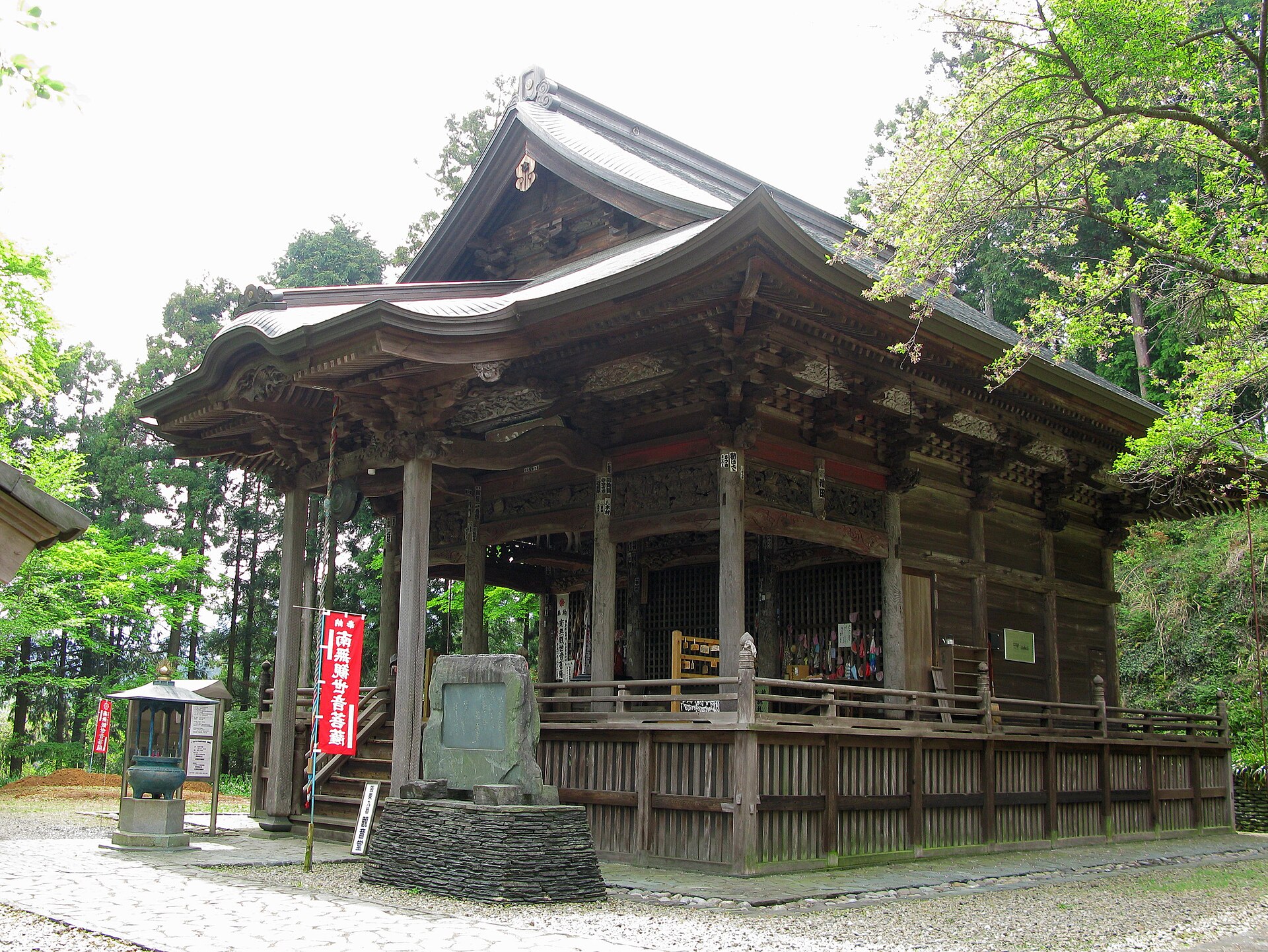
    According to temple tradition, Jikoji was founded in 673, when a monk from Kofuku-ji in Nara set up a hall for a Thousand-Armed Kannon on this mountain. Around a century later, a disciple of the famous Chinese monk Ganjin formally established the temple. It belongs to the Tendai school of Buddhism and is one of the Bando Sanjusankasho, a pilgrimage of 33 Kannon temples across eastern Japan.

    In the Kamakura period, Jikoji was a powerful mountain monastery. It is said that Minamoto no Yoritomo, the first Kamakura shogun, prayed here for victory, and that the mountain once held around 75 monks’ lodgings. Little of that scale remains today, but walking up the stone paths between the old halls, it is easy to imagine.

    What to see

    • The Kannon Hall, the heart of the temple and a stop for Bando pilgrims.
    • The treasure hall, which holds important Buddhist art and sutras. Some of the temple’s most valuable objects are kept at the Tokyo National Museum, and a full-size replica of one of its old structures is shown at the Saitama Prefectural Museum of History and Folklore.
    • Old stone monuments and quiet forest paths around the temple, especially beautiful in fresh green and autumn colors.
    • Hydrangeas in early summer, when the hillside path becomes a tunnel of blue and purple.
    Address386 Nishidaira, Tokigawa, Hiki District, Saitama
    GroundsFree to enter
    Treasure hallAround 300 yen for adults; open roughly 9:00–16:00
    Getting thereFrom Musashi-Ranzan Station (Tobu Tojo Line), take the Tokigawa town bus to Seseragi Bus Center (about 30 min), then change to the bus for Jikoji (about 9 min)

    Make a day of it

    Combine Jikoji with a hike on the Tokigawa trekking course toward Mount Doudaira, a soak at one of Tokigawa’s hot springs, and a stop at the local farmers’ market for seasonal vegetables. If you have time, stay overnight at the Doudaira Observatory for some of the best stargazing near Tokyo.

    Tip: buses to Jikoji are infrequent. Check the return timetable before you go, or travel by car.

    Sources and further reading

    Featured image: 京浜にけ at Japanese Wikipedia / Wikimedia Commons (CC BY-SA 3.0). Practical details such as prices, hours and schedules change often. Please check the official sources before you travel.
  • Sleeping Under the Stars at Doudaira Observatory, Tokigawa

    Sleeping Under the Stars at Doudaira Observatory, Tokigawa

    From 1962, astronomers chose this mountaintop in Saitama for its dark skies. Today, anyone can spend the night here, with a view over the whole Kanto Plain and the Milky Way overhead.

    From national observatory to stargazing retreat

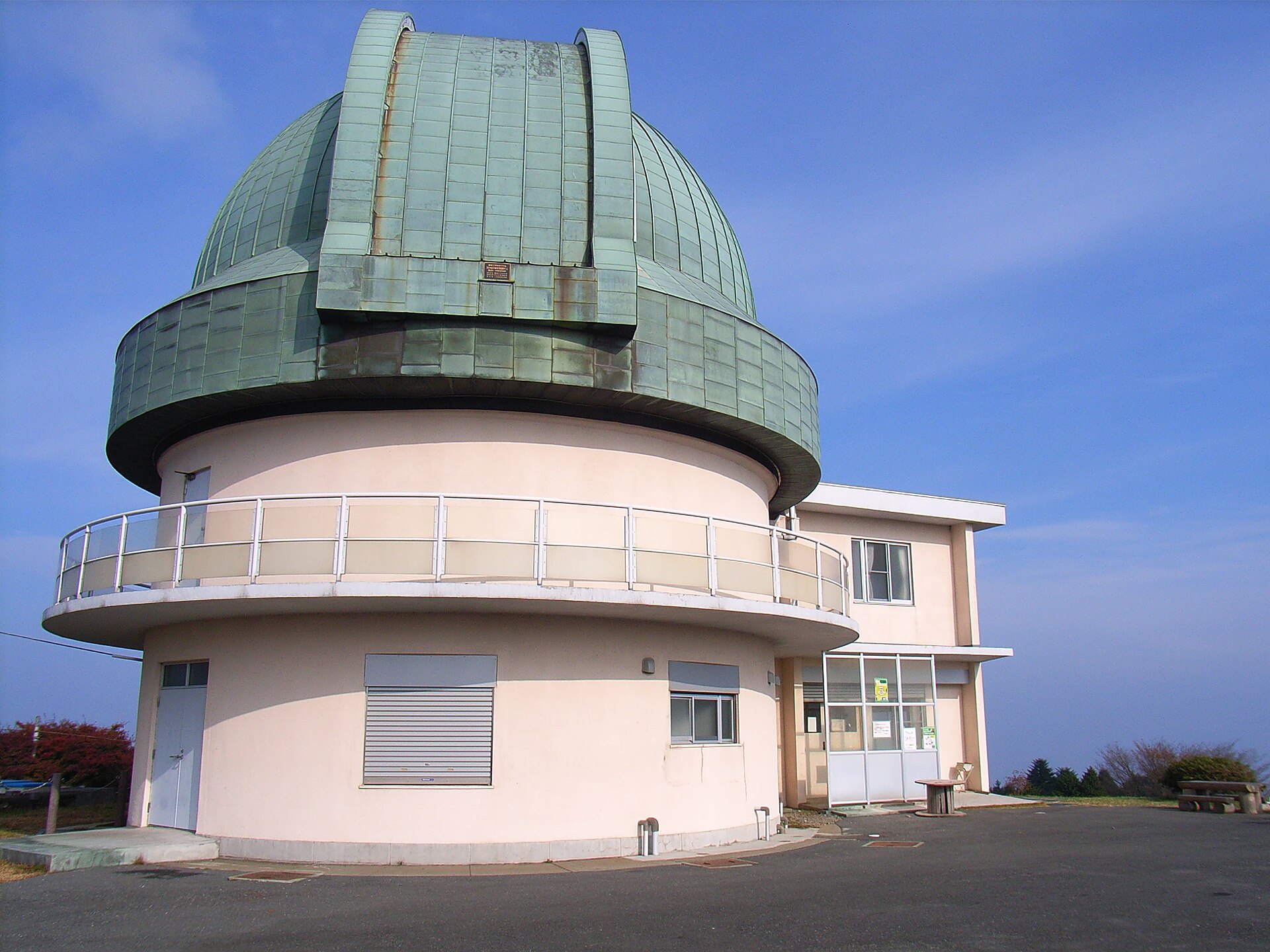
    Doudaira Observatory sits on the summit of Mount Doudaira (876 m), on the border of Tokigawa, Ogawa and Higashichichibu. It opened in 1962 as an observing station of the Tokyo Astronomical Observatory of the University of Tokyo, later part of the National Astronomical Observatory of Japan. For about 40 years it was used for research, until it closed as an observatory in 2000.

    The town took over the site and reopened it in 2005 as the Doudaira Observatory “Hoshi to Midori no Sozo Center” (Star and Green Creation Center), a place for stargazing, camping and nature activities.

    Where you can sleep

    • A guest room inside the old observation dome.
    • Log houses and bungalows with simple facilities.
    • Mongolian-style tents (ger) for families and groups.
    • Tent sites for your own gear.

    Day visitors can also use the site for picnics and barbecues. The facility usually operates from March to December.

    Stargazing nights

    Stargazing sessions using the 91 cm reflecting telescope, the largest in Saitama Prefecture, are held about twice a month in season (reservation and a fee are required). Depending on the season you may see Saturn’s rings, star clusters or distant nebulae. On a clear night the view from the summit is just as memorable: the lights of Tokyo and Saitama spread out below like a sea of jewels.

    Getting there

    • By car: about 27 km from the Higashi-Matsuyama Interchange on the Kan-Etsu Expressway, via the Okumusashi Green Line and Shiraishi Pass.
    • On foot: the Tokigawa trekking course climbs from the Jikoji area (around 3 hours 40 minutes). Shorter routes start from nearby passes.

    Tip: even in summer, nights on the summit are cool. Bring warm clothes, and book well in advance for weekends and meteor showers.

    Sources and further reading

    Featured image: icer1212 / Wikimedia Commons (CC BY-SA 3.0). Practical details such as prices, hours and schedules change often. Please check the official sources before you travel.

  • Tomogashima: Exploring the Abandoned Forts of an Uninhabited Island

    Tomogashima: Exploring the Abandoned Forts of an Uninhabited Island

    Moss-covered brick tunnels, rusting gun emplacements and empty barracks slowly being reclaimed by the forest: Tomogashima feels like an island from an adventure film, yet it is only about 20 minutes by ferry from the mainland.

    Islands at the gate of Osaka Bay

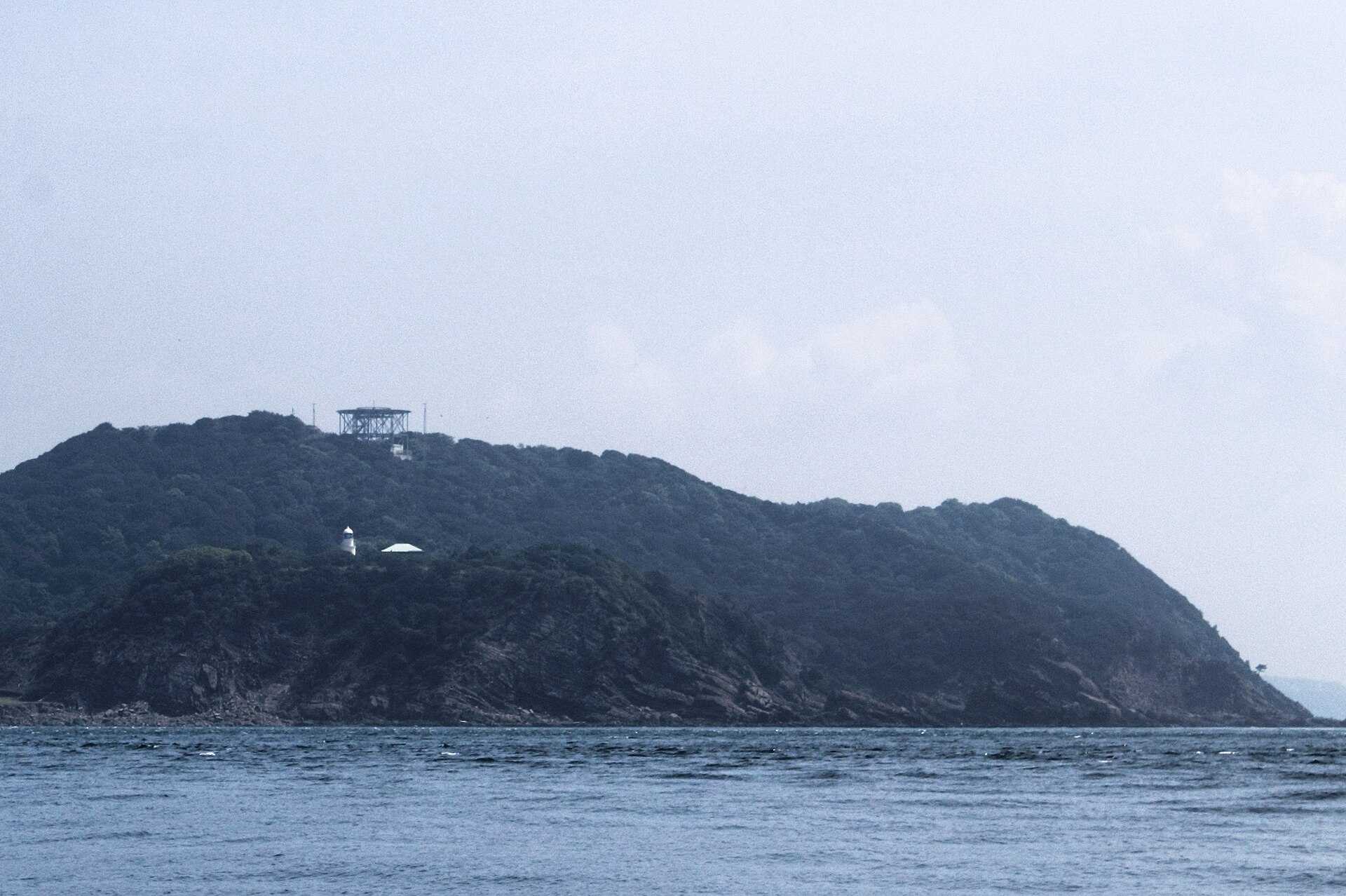
    Tomogashima is a group of four uninhabited islands (Okinoshima, Jinoshima, Torajima and Kamijima) in the Kitan Strait between the Kii Peninsula and Awaji Island. Because they guard the entrance to Osaka Bay, the islands were fortified from the Meiji era onward and served as a military base until the end of the Second World War. After the war the forts were abandoned, and the islands became part of the Setonaikai National Park.

    Visitors can land only on Okinoshima, the largest island. Its forest paths link several of the old batteries, a lighthouse and lookout points over the strait. Many people say the overgrown ruins look like a scene from Studio Ghibli’s Castle in the Sky, which has made the island popular with photographers.

    Highlights

    • The Third Battery: the largest and most atmospheric ruin, with long dark tunnels and brick ammunition rooms. Bring a flashlight.
    • Tomogashima Lighthouse: one of the oldest Western-style lighthouses in Japan, built in the Meiji period.
    • Mount Takenosu Observatory: views across the strait to Awaji Island.
    • Pebble beaches, wildflowers and plenty of quiet.

    Planning your trip

    • The ferry to Okinoshima is run by Tomogashima Kisen from Kada Port. The crossing takes about 20 minutes, and a round trip costs around 2,000–2,200 yen for adults.
    • The number of sailings changes by season. Ferries may not run on some weekdays or in rough weather, so check the timetable before you go.
    • Do not miss the last ferry. There are no shops, hotels or regular services on the island.
    • A loop hike visiting the main sights takes about two to three hours. The paths are steep in places and some ruins are dark and slippery, so wear proper shoes.
    • Camping is possible at designated sites if you reserve in advance, a rare chance to spend a night on a deserted island close to a major city.

    Bring: water, food, a flashlight or headlamp, insect repellent in summer, and a bag to carry all your trash back to the mainland.

    Getting there

    From Wakayama City, take the Nankai Kada Line from Wakayama-shi Station to Kada Station (about 30 minutes). Kada Port is about a 20-minute walk from the station. Kada itself is a charming fishing town, home to Awashima Shrine, which is famous for its thousands of dolls.

    Sources and further reading

    Featured image: 藤谷良秀 / Wikimedia Commons (CC BY-SA 4.0). Practical details such as prices, hours and schedules change often. Please check the official sources before you travel.