Split-toed tabi socks are worn with kimono, at festivals and on construction sites. For a century, most of them came from one small town in northern Saitama.
The town of tabi
Gyoda began making tabi around 300 years ago. When sewing machines arrived in the Meiji era, production boomed, and at its peak Gyoda produced around 80% of all tabi in Japan. Wealthy makers built storehouses (kura) of stone, brick, clay and wood to keep their stock, and many still stand today. In 2017 this story was recognized as a Japan Heritage.
- Museum of Tabi and Daily Life: housed in a former tabi factory from the early 1900s, with exhibits and demonstrations of traditional tabi-making by craftspeople.
- Tabi warehouse streets: walk past old kura, some now cafes, galleries and shops. Rickshaw tours are sometimes offered during events.
Oshi Castle
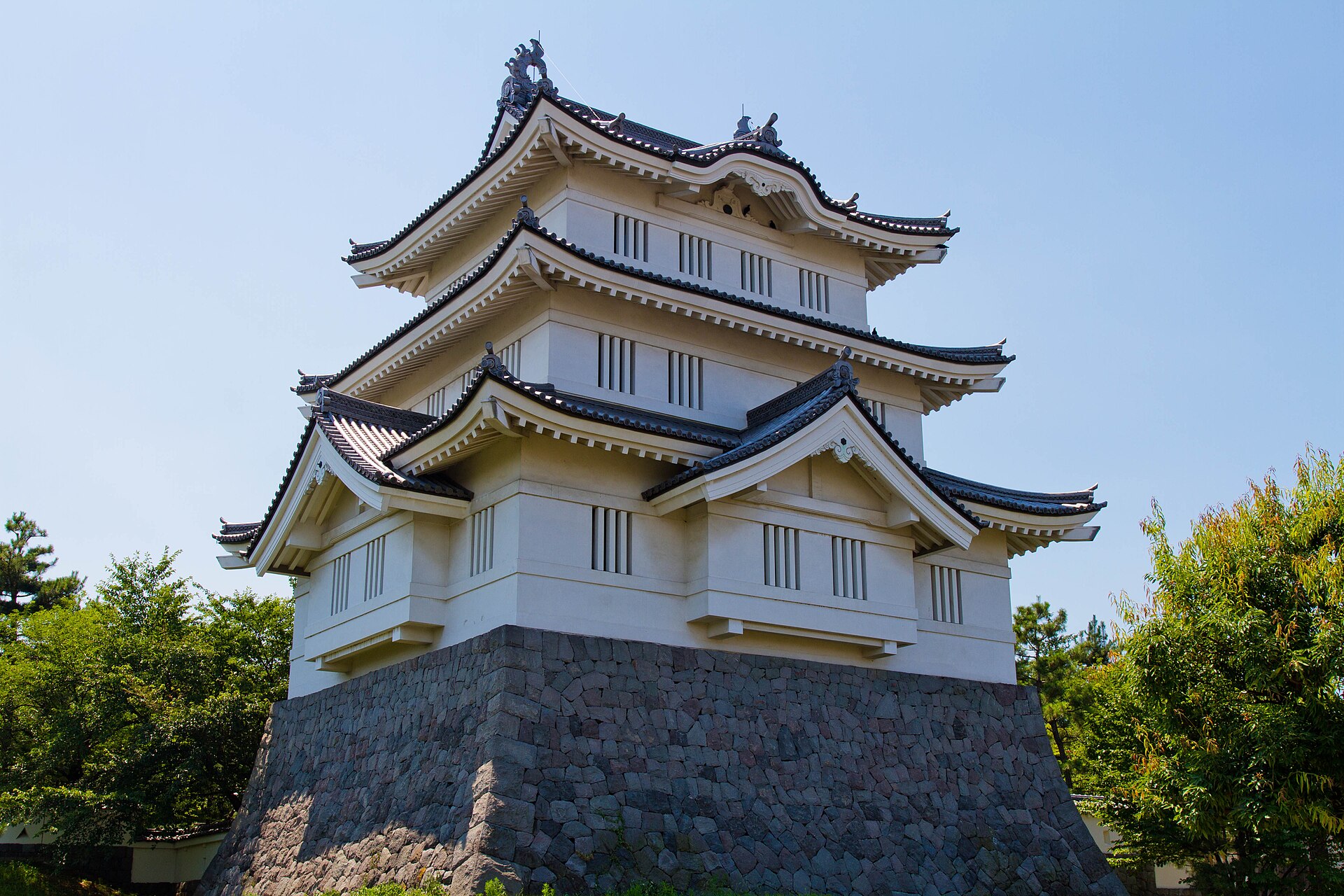
Oshi Castle was built by the Narita clan in the late 15th century. In 1590, during Toyotomi Hideyoshi’s campaign to unify Japan, his forces tried to flood the castle by building a long dike around it. The castle held out, a story told in the novel and film The Floating Castle (Nobo no Shiro).
Most of the castle was dismantled in the Meiji era. A three-story turret was reconstructed in 1988 and now houses the Gyoda City Local Museum, with exhibits on the castle, the kofun and the tabi industry. Climb to the top for a view over the city.
Events
Gyoda holds Hanachozu weeks several times a year, when shrine water basins and the castle pond are filled with floating flowers, sometimes with light shows at Oshi Castle in the evening.
Getting there
Gyodashi Station on the Chichibu Railway is closest to the castle and warehouse streets. JR Gyoda Station on the Takasaki Line is about an hour from Tokyo; from there, use the city loop bus.
Sources and further reading
- ANA Travel Planner: Museum of Tabi and Daily Life
- JNTO: Hanachozu Week in Gyoda
- Japan-guide.com: A Stroll Through Gyoda
Featured image: baku13 / Wikimedia Commons (CC BY-SA 2.1 jp). Practical details such as prices, hours and schedules change often. Please check the official sources before you travel.