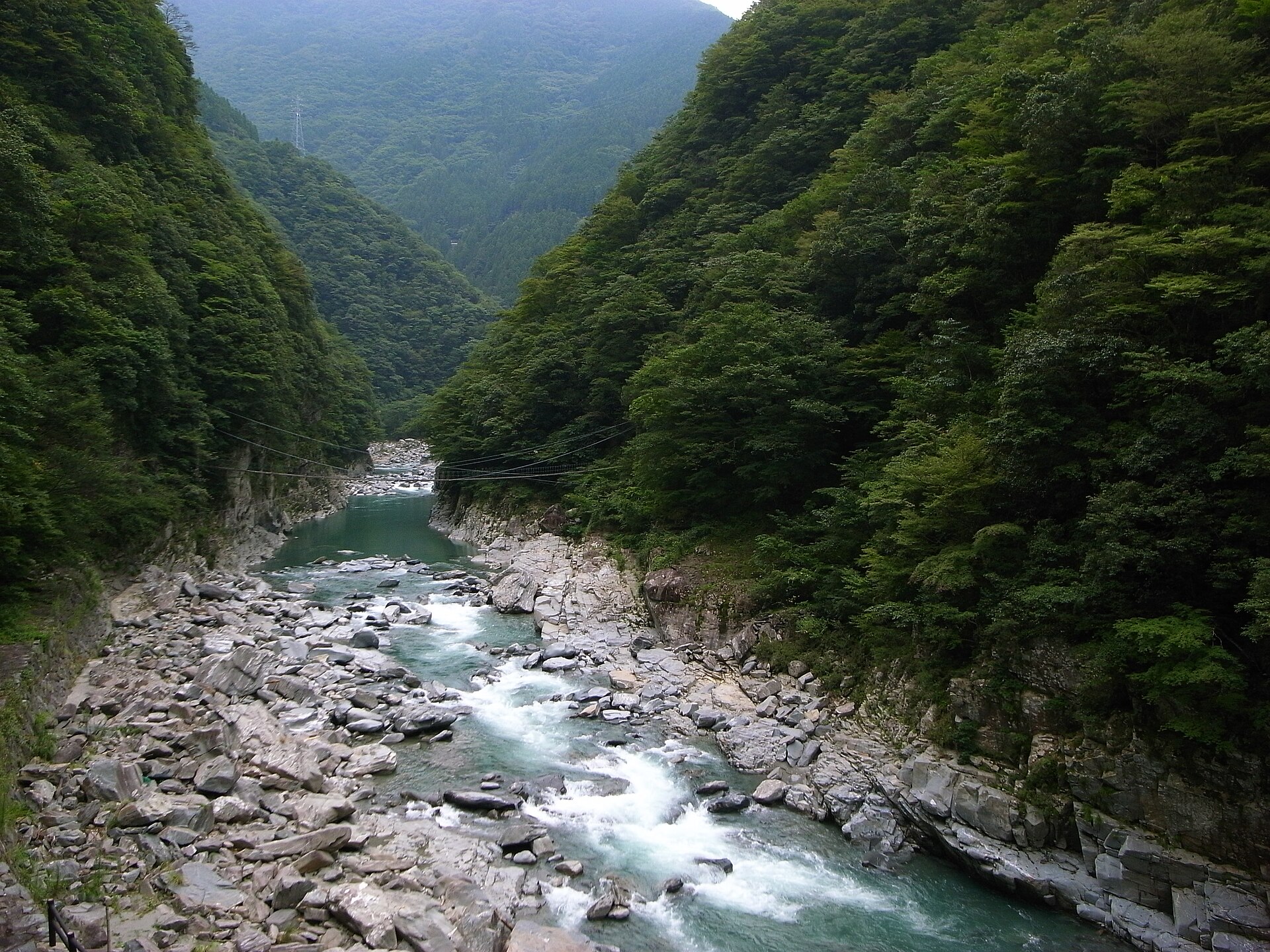
Drive deep into the Iya Valley and you may notice people waiting at a bus stop, chatting on a bench or working in a field. Look again: they are dolls. Welcome to Nagoro, known in Japanese as Kakashi no Sato, the scarecrow village.
How a village of dolls began
Nagoro is a tiny hamlet in the city of Miyoshi, Tokushima Prefecture. Like many villages in rural Japan, its population has shrunk dramatically over the decades, and only a few dozen people remain.
In the early 2000s, local resident Tsukimi Ayano returned to Nagoro after many years living in Osaka. She made a scarecrow in the likeness of her father to keep birds away from the seeds in her vegetable patch. Neighbours liked it and asked for their own, and she kept going. She began to recreate former residents who had died or moved away, placing them where they used to spend their days.
Today, several hundred figures are spread around the village. Reports put the number at around 350 or more, many times the number of human residents.
What you will see
- Dolls fishing by the river, resting by the road and gathered at the bus stop.
- The former elementary school, which closed when the last pupils left. Its classroom is filled with doll pupils and teachers, a scene that is both charming and sad.
- Life-sized figures of farmers, construction workers and elderly couples, each with its own face and clothes.
Some visitors find the place unsettling, especially at dusk. Others find it heartwarming. Either way, Nagoro is a striking picture of what depopulation means for rural Japan, and of one person refusing to let her home be forgotten.
Visiting respectfully
- Nagoro is a real community, not a theme park. Keep your voice down, do not enter private land, and never move or touch the dolls.
- There are almost no shops or restaurants, so bring water and snacks.
- In winter the mountain roads can be icy. Check the weather before you go.
Getting there
Nagoro is in Oku-Iya (Inner Iya), roughly one hour by car beyond the Iya Kazurabashi vine bridge, on the road toward Mount Tsurugi. Public transport is extremely limited, so a rental car from Oboke or Awa-Ikeda is the practical choice. Combine your visit with the Oku-Iya double vine bridges, which are on the way.
Sources and further reading
- Miyoshi City Tourism: Nagoro Scarecrow Village (Japanese)
- JNTO: Nagoro Scarecrow Village in Tokushima
- NPR: A Dying Japanese Village Brought Back To Life By Scarecrows
- nippon.com: Scarecrows Stand Watch over Village on Borrowed Time
Featured image: na0905 / Wikimedia Commons (CC BY 2.0). Practical details such as prices, hours and schedules change often. Please check the official sources before you travel.