Category: Culture & Traditions

Crafts, food, etiquette and living traditions that make Japan unique.

  • Tokigawa: A Satoyama Day Trip of Hot Springs, Washi and Farm Food

    Tokigawa: A Satoyama Day Trip of Hot Springs, Washi and Farm Food

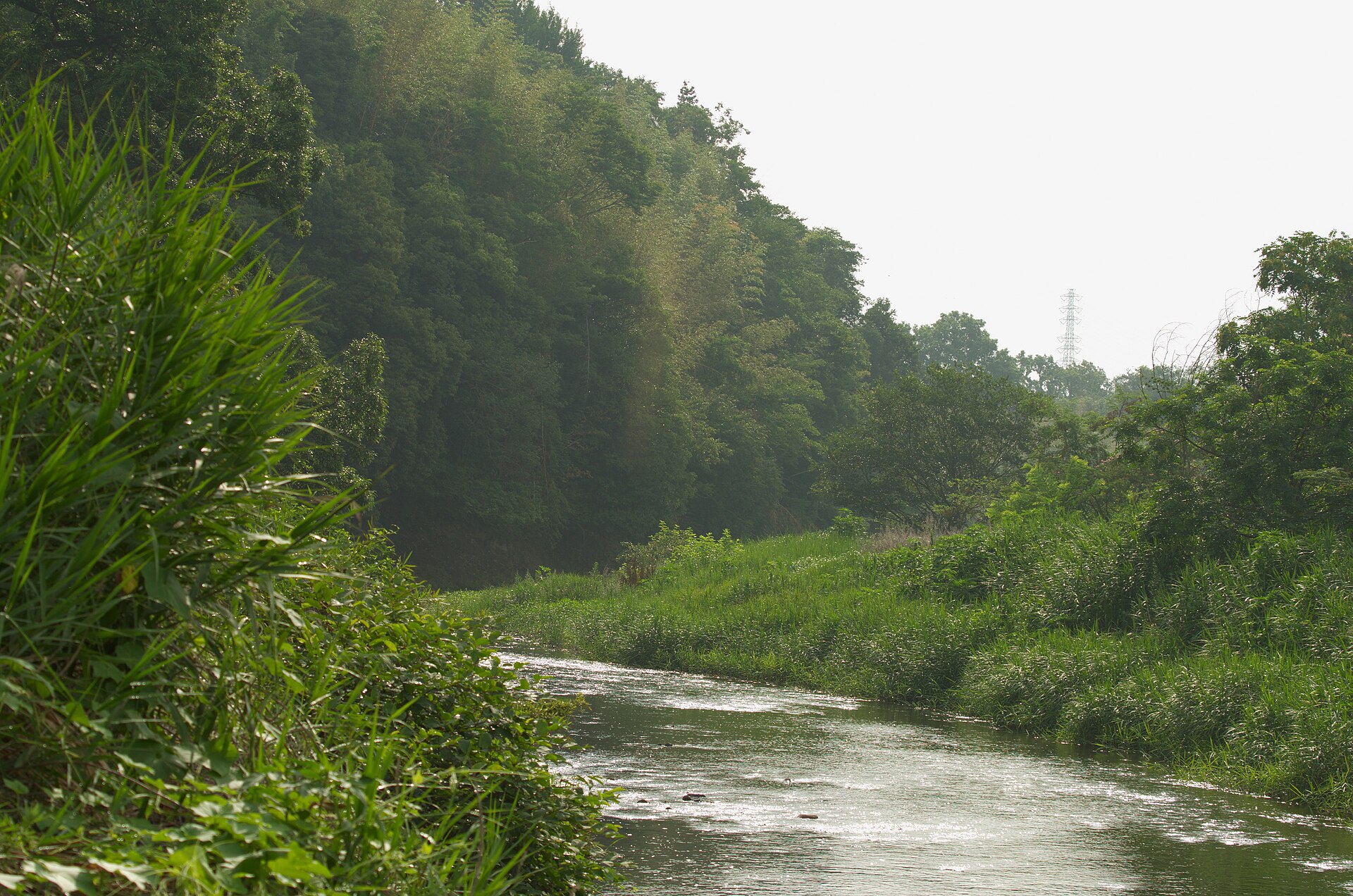
    Clear rivers, cedar hills and small farming hamlets: Tokigawa in central Saitama is the kind of countryside most visitors think is far from Tokyo. It is not.

    The town of trees and rivers

    Tokigawa is a rural town of about 56 square kilometers in Hiki District, formed in 2006. The Toki River runs through it, and the hills are covered with cedar and cypress forests that have supported local woodworking for generations. There are no expressways or national highways in town, which helps it keep its quiet, village feel.

    Things to do

    • Kinomura Bussankan farmers’ market: more than 130 local farmers bring fresh vegetables, eggs and homemade side dishes here every morning. Look for grilled yakitori and rice dumplings outside.
    • Norabona: in early spring, try this traditional green of the Hiki area. It has been grown for around 240 years and is said to have saved local people from famine in the Edo period.
    • Tamagawa Onsen: a day-trip hot spring designed in a Showa-era retro style, with very alkaline water (pH around 10) drawn from about 1,700 meters underground. It is known for leaving skin smooth.
    • Washi papermaking: Tokigawa lies next to Ogawa, the home of Hosokawa-shi paper. Local workshops welcome visitors to watch and try making postcards (reservation needed).
    • River play and camping at Kinomura campground along the river.

    Who it is for

    Tokigawa is ideal if you want slow travel: a walk by the river, a bath, a simple home-style lunch and a chat with local farmers. Add Jikoji Temple and a night at Doudaira Observatory for a two-day trip.

    Getting there

    Take the Tobu Tojo Line from Ikebukuro to Musashi-Ranzan Station, or the JR Hachiko Line to Myokaku Station, then use the Tokigawa town buses. A car or bicycle makes it much easier to explore.

    Sources and further reading

    Featured image: Carbonium / Wikimedia Commons (CC BY 3.0). Practical details such as prices, hours and schedules change often. Please check the official sources before you travel.
  • Takachiho Yokagura: All-Night Sacred Dances in the Land of Myths

    Takachiho Yokagura: All-Night Sacred Dances in the Land of Myths

    In the mountains of northern Miyazaki, winter nights are filled with flutes, drums and masked dancers telling the oldest stories in Japan. This is Takachiho yokagura, night kagura.

    Where the sun goddess hid

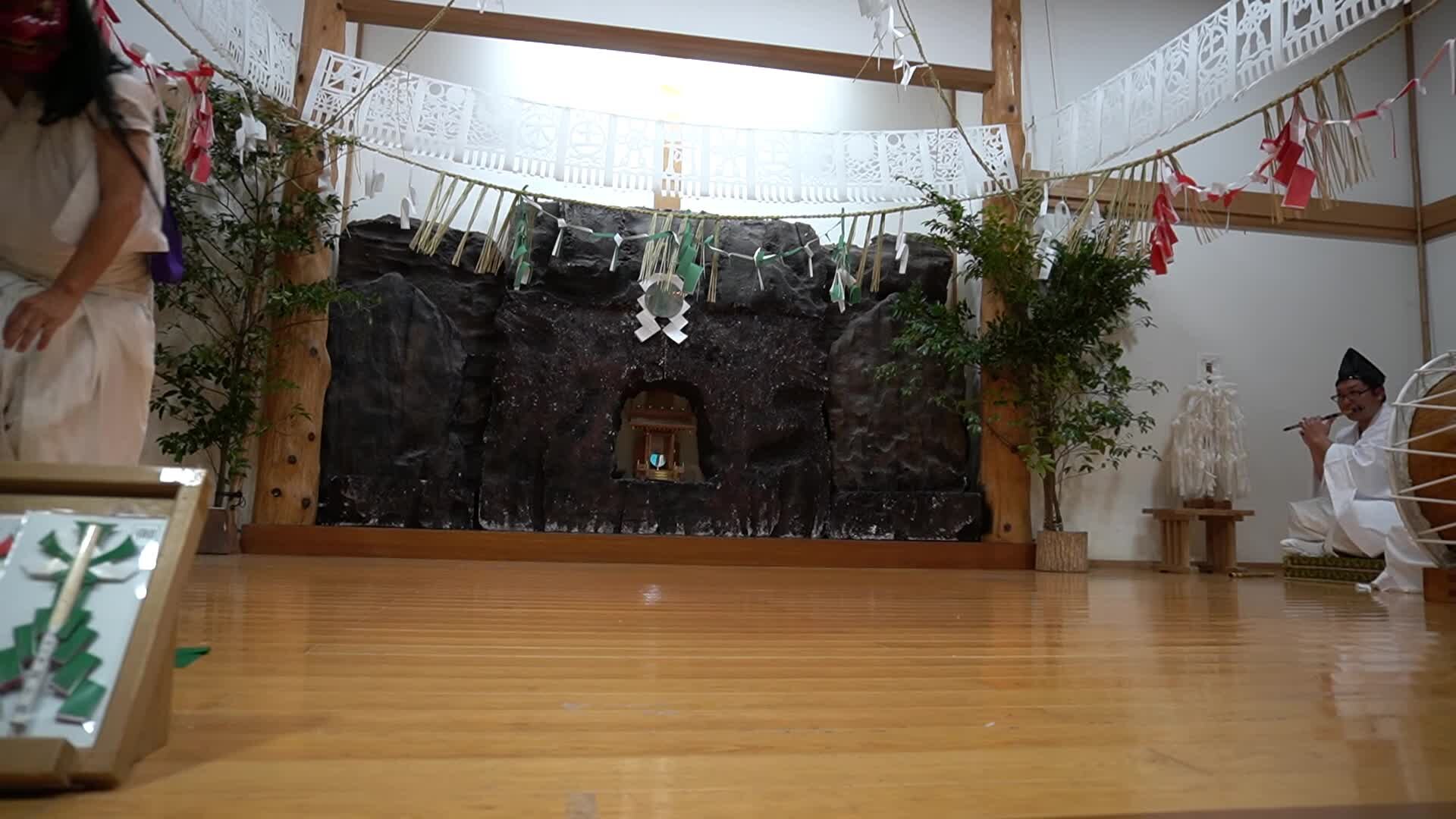
    Takachiho is closely linked to Japanese mythology. According to legend, the sun goddess Amaterasu hid in a cave here, plunging the world into darkness. The other gods gathered outside, and the goddess Ame no Uzume performed a wild, comic dance. The laughter made Amaterasu curious; she peeked out, and the strong god Tajikarao pulled the rock door open, returning light to the world.

    That dance is said to be the origin of kagura, the ritual music and dance performed for Shinto gods and considered one of Japan’s oldest performing arts.

    The real thing: all-night yokagura

    Takachiho yokagura is designated an Important Intangible Folk Cultural Property of Japan. Each winter, from about mid-November to early February, local communities hold their own yokagura as part of the harvest festival. The gods are invited into a private home or community hall, called a kagura yado, and local performers dedicate all 33 dances one after another, from the evening until the next morning.

    Each community has its own schedule and its own version of the dances. Visitors are often welcome, but remember that this is a religious ritual and a community event: be quiet during the dances, follow local guidance, and consider bringing a small offering (hatsuho, such as a bottle of sake or an envelope) as local custom suggests. Ask the Takachiho tourist association for that season’s dates and etiquette.

    The easy option: Kagura at Takachiho Shrine

    If you cannot visit in winter, Takachiho Shrine holds a one-hour tourist performance in its Kagura Hall every night at 8:00 pm, all year round. Four of the 33 dances are shown, including the dances of Tajikarao and Ame no Uzume and the comic “Goshin-tai” dance of the creator gods Izanagi and Izanami. It is a lively, entertaining introduction even if you do not know the myths.

    More to see in Takachiho

    • Takachiho Gorge: basalt cliffs and the Manai Falls, best seen from a rowboat.
    • Amano Iwato Shrine: it faces the cave where Amaterasu is said to have hidden.
    • Amano Yasugawara: a cave where the gods are said to have met, filled with small stone piles left by visitors.

    Getting there

    Takachiho has no train station. Take a bus from Nobeoka (about 1 hour 20 minutes) or from Kumamoto (about 3 hours), or rent a car. Stay overnight so you can see the evening kagura and the gorge in the morning before the crowds.

    Sources and further reading

    Featured image: 鶉野隆央 / Wikimedia Commons (CC0). Practical details such as prices, hours and schedules change often. Please check the official sources before you travel.

  • Nagoro: The Scarecrow Village Where Dolls Outnumber People

    Nagoro: The Scarecrow Village Where Dolls Outnumber People

    Drive deep into the Iya Valley and you may notice people waiting at a bus stop, chatting on a bench or working in a field. Look again: they are dolls. Welcome to Nagoro, known in Japanese as Kakashi no Sato, the scarecrow village.

    How a village of dolls began

    Nagoro is a tiny hamlet in the city of Miyoshi, Tokushima Prefecture. Like many villages in rural Japan, its population has shrunk dramatically over the decades, and only a few dozen people remain.

    In the early 2000s, local resident Tsukimi Ayano returned to Nagoro after many years living in Osaka. She made a scarecrow in the likeness of her father to keep birds away from the seeds in her vegetable patch. Neighbours liked it and asked for their own, and she kept going. She began to recreate former residents who had died or moved away, placing them where they used to spend their days.

    Today, several hundred figures are spread around the village. Reports put the number at around 350 or more, many times the number of human residents.

    What you will see

    • Dolls fishing by the river, resting by the road and gathered at the bus stop.
    • The former elementary school, which closed when the last pupils left. Its classroom is filled with doll pupils and teachers, a scene that is both charming and sad.
    • Life-sized figures of farmers, construction workers and elderly couples, each with its own face and clothes.

    Some visitors find the place unsettling, especially at dusk. Others find it heartwarming. Either way, Nagoro is a striking picture of what depopulation means for rural Japan, and of one person refusing to let her home be forgotten.

    Visiting respectfully

    • Nagoro is a real community, not a theme park. Keep your voice down, do not enter private land, and never move or touch the dolls.
    • There are almost no shops or restaurants, so bring water and snacks.
    • In winter the mountain roads can be icy. Check the weather before you go.

    Getting there

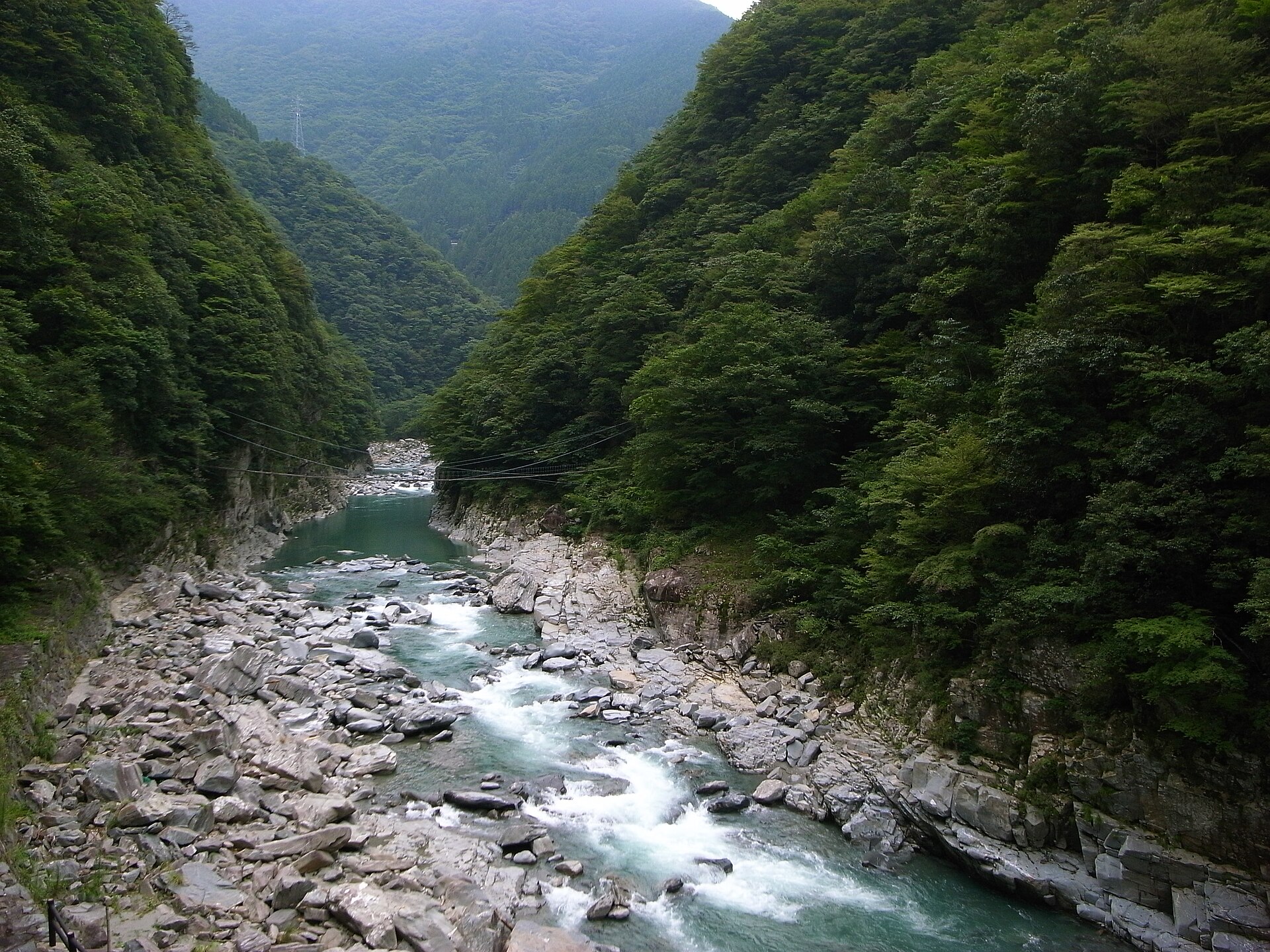
    Nagoro is in Oku-Iya (Inner Iya), roughly one hour by car beyond the Iya Kazurabashi vine bridge, on the road toward Mount Tsurugi. Public transport is extremely limited, so a rental car from Oboke or Awa-Ikeda is the practical choice. Combine your visit with the Oku-Iya double vine bridges, which are on the way.

    Sources and further reading

    Featured image: na0905 / Wikimedia Commons (CC BY 2.0). Practical details such as prices, hours and schedules change often. Please check the official sources before you travel.