Category: Day Trips from Tokyo

Saitama, Karuizawa and other easy escapes from Tokyo: old towns, mountain villages, ancient tombs and quiet temples.

  • Walking the Abt Road to Megane Bridge at Usui Pass

    Walking the Abt Road to Megane Bridge at Usui Pass

    Before the Shinkansen tunneled straight through the mountains, trains between Tokyo and Karuizawa had to crawl up one of the steepest railway slopes in Japan. The old route is now a walking trail, and its centerpiece is a magnificent brick bridge.

    A railway that climbed with teeth

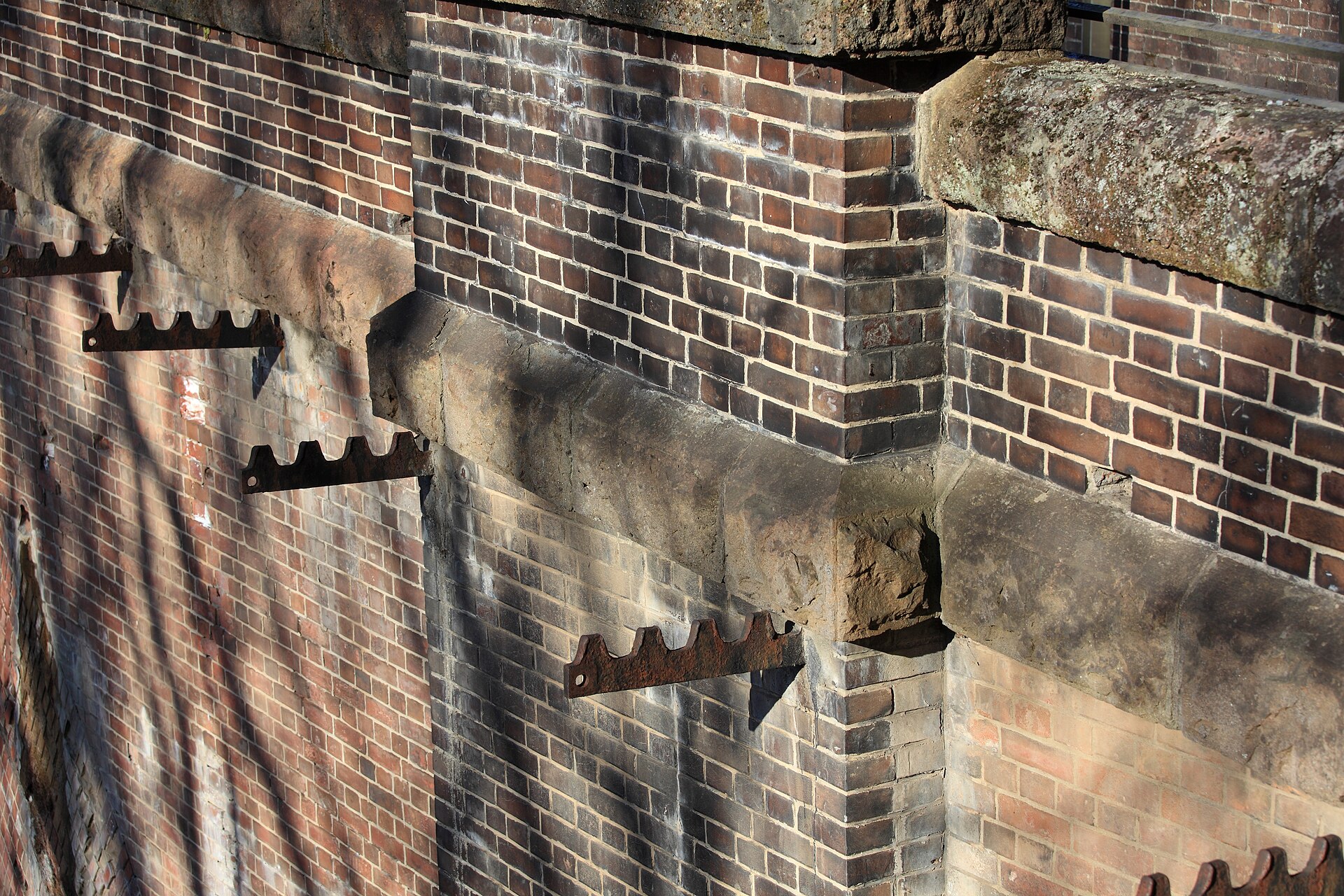
    The Usui Pass separates Yokokawa in Gunma Prefecture from Karuizawa in Nagano. The railway built over it in 1893 was so steep that it used the Abt system: a toothed rack rail between the tracks that engines gripped with cogwheels to haul trains up the slope. When a new line opened in 1963, the old route was abandoned.

    Usui Third Bridge: “Megane-bashi”

    The star of the trail is the Usui Third Bridge, completed in 1892. With four great arches, it is the largest brick arch bridge in Japan, about 91 meters long and 31 meters high. Locals call it Megane-bashi, the “spectacles bridge”, because of the shape of its arches. It was designated an Important Cultural Property in 1993.

    You can walk across the top of the bridge and look down into the valley, or view it from below, where the red brick is framed by green leaves in summer and blazing colors in autumn.

    The Abt Road trail

    In 2001, the old track bed was turned into a walking trail of about 6 kilometers called the Abt Road (Abt no Michi). It passes over several bridges and through ten tunnels, some of them dark and atmospheric. The route is gentle enough for families but long enough to feel like an adventure.

    • Start at JR Yokokawa Station and the Usui Pass Railway Heritage Park, a railway museum with old locomotives.
    • Walk about 1.5 hours to Megane-bashi, passing the Maruyama substation, Toge-no-Yu hot spring and Lake Usui.
    • Continue to the end of the trail, or return by seasonal bus.

    Getting there

    • JR Shin’etsu Line from Takasaki to Yokokawa Station (about 30 minutes).
    • A seasonal JR bus runs between Yokokawa and Karuizawa with a stop at Megane-bashi.
    • By car, about 15 minutes from the Matsuida-Myogi IC; there is a small parking lot about 300 m from the bridge.

    Tip: bring a flashlight for the tunnels, and try the famous Toge no Kamameshi (rice cooked in a clay pot) sold at Yokokawa Station.

    Sources and further reading

    Featured image: TANAKA Juuyoh (田中十洋) / Wikimedia Commons (CC BY 2.0). Practical details such as prices, hours and schedules change often. Please check the official sources before you travel.
  • Menuma Shodenzan: Saitama’s “Little Nikko” of Golden Carvings

    Menuma Shodenzan: Saitama’s “Little Nikko” of Golden Carvings

    Gold leaf, vermilion lacquer and thousands of carved figures: the main hall of Menuma Shodenzan is one of the most dazzling buildings in eastern Japan, and almost nobody outside Japan knows about it.

    A temple founded by a legendary samurai

    Menuma Shodenzan Kangiin was founded in 1179 by Saito Sanemori, a samurai whose story appears in The Tale of the Heike and in the Noh play Sanemori. A statue of him stands inside the grounds. The temple is dedicated to Shoden (Kangiten), a Buddhist deity of joy, harmony between couples and success, often linked to the Hindu god Ganesha. It is counted as one of the three great Shoden temples of Japan.

    The Shodendo: a National Treasure

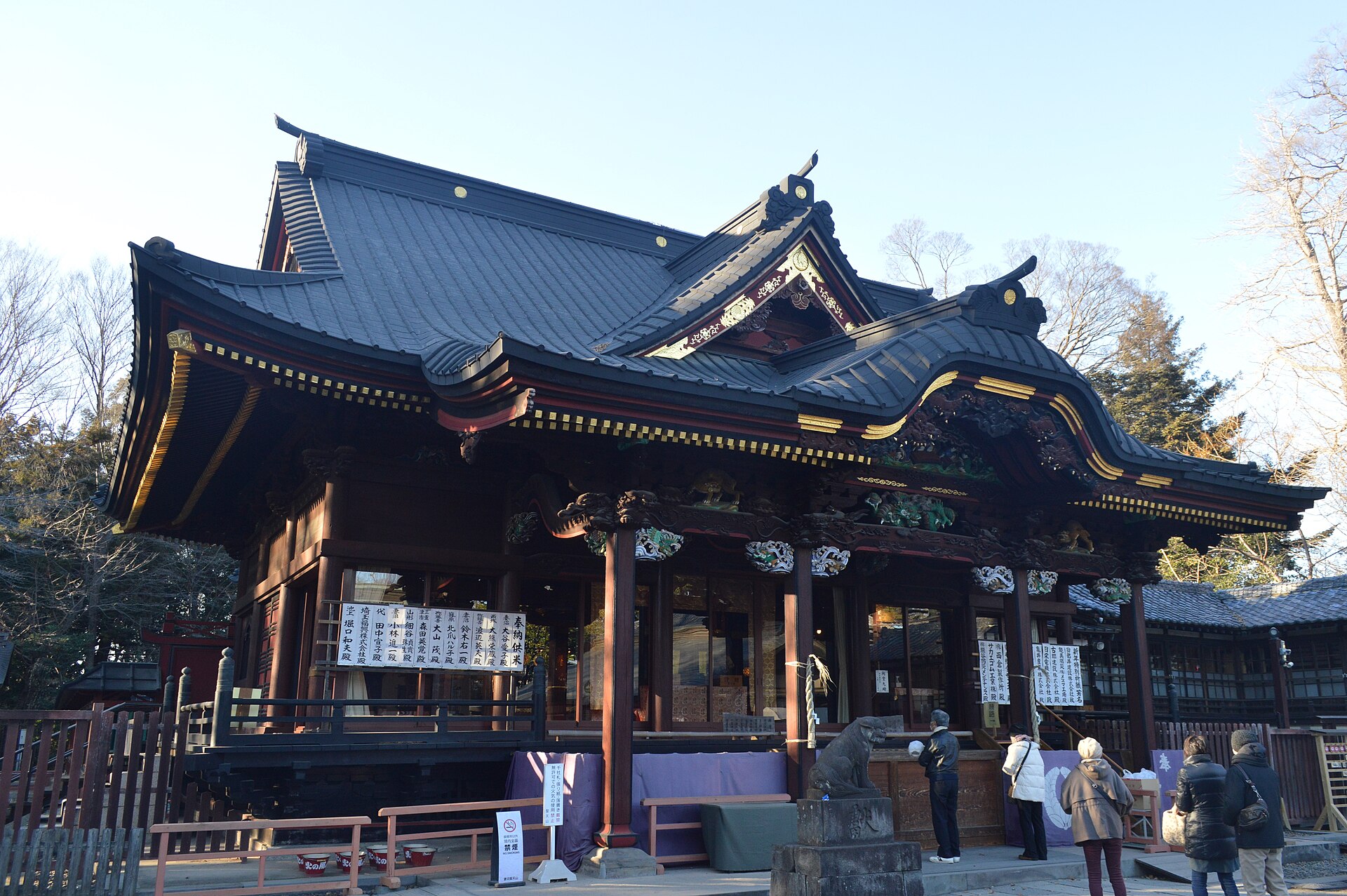
    The main hall, the Shodendo, was completed in the mid-18th century after earlier buildings were lost to fire. It is built in the ornate gongen-zukuri style of Nikko Toshogu, and its outer walls are covered in colorful three-dimensional carvings of Buddhist teachings, Chinese legends and everyday scenes, such as two goddesses playing a board game.

    What makes it special is who paid for it. Most grand buildings of the Edo period were funded by shoguns and lords, but the Shodendo was built with donations from local people. A major restoration completed in 2011 brought back its original colors, and in 2012 it became the first building in Saitama Prefecture to be designated a National Treasure.

    For a small fee, you can walk around the back of the hall to see the carvings up close. Take your time: every panel tells a story.

    Also on the grounds

    • The Kisomon gate, with its unusual triple gables.
    • A stroll garden with Buddhist statues and a small pagoda.
    • The “wedded trees” (meoto no ki), two trees with intertwined roots believed to bring a happy relationship.
    • Cherry blossoms in spring.

    Getting there

    From JR Kumagaya Station (Joetsu/Hokuriku Shinkansen or Takasaki Line), take an Asahi bus bound for Ota Station, Nishi-Koizumi or Menuma Shoden-mae and get off at Menuma Shoden-mae (about 25 minutes).

    Sources and further reading

    Featured image: Asturio Cantabrio / Wikimedia Commons (CC BY-SA 4.0). Practical details such as prices, hours and schedules change often. Please check the official sources before you travel.

  • Shiraito Falls and the Forest Trails of Karuizawa

    Shiraito Falls and the Forest Trails of Karuizawa

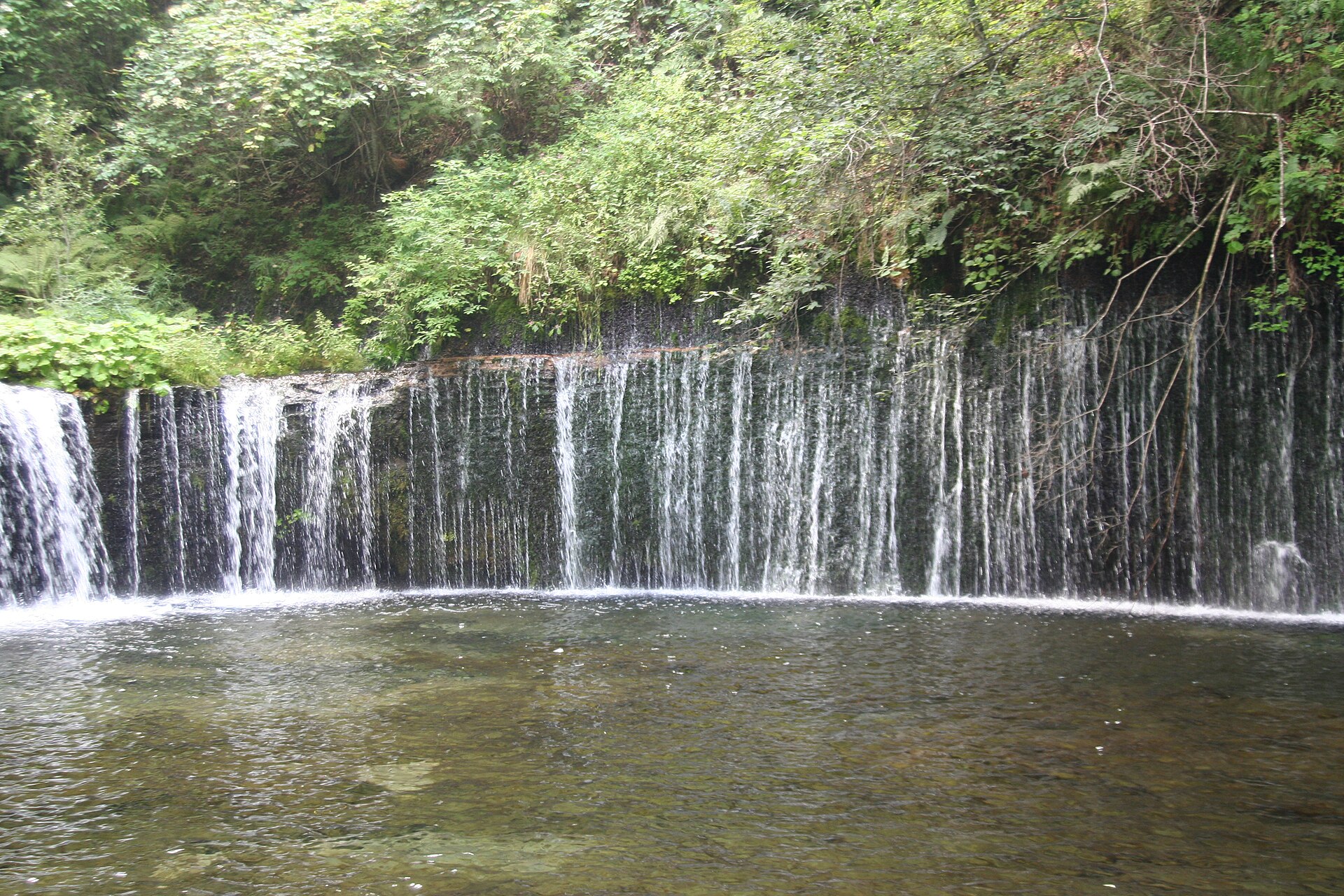
    Most waterfalls are about height. Shiraito Falls is about width: a long curved wall of rock with countless streams of water flowing out like threads of white silk.

    A waterfall fed by a volcano

    Shiraito Falls is in the forests north of central Karuizawa, at the eastern foot of the active volcano Mount Asama. It is only about 3 meters tall, but around 70 meters wide. The water does not come from a river: it is groundwater from Mount Asama that seeps through the rock and emerges along the cliff. Because of that, it keeps flowing even in freezing winter.

    The name shiraito means “white threads”. There are many Shiraito Falls in Japan, but Karuizawa’s is one of the most famous.

    When to visit

    • Summer: cool, fresh air and green maples, perfect for escaping Tokyo’s heat.
    • Autumn: fiery red and gold leaves frame the falls.
    • Winter: snow and ice around the flowing water; special illuminations are sometimes held.
    • Early morning is quietest at any time of year.

    Walk to Ryugaeshi Falls

    For a longer outing, follow the forest trail from the Mine-no-Chaya area past Shiraito Falls toward Ryugaeshi Falls. The path runs through conifer forest and along clear streams, a great way to try forest bathing. Several bus stops along the road make it easy to walk one way and ride back.

    Getting there

    • From the North Exit of JR Karuizawa Station (Hokuriku Shinkansen), take a Kusakaru Kotsu bus to the “Shiraito no Taki” stop (about 25 minutes, 1–2 buses per hour, fewer in winter), then walk about 5 minutes.
    • By car, the falls are on the Shiraito Highland Way, a toll road through the forest.

    Tip: Karuizawa is popular in summer and autumn. Visit on a weekday or early in the morning to enjoy the falls without crowds.

    Sources and further reading

    Featured image: yuttsu / Wikimedia Commons (Public domain). Practical details such as prices, hours and schedules change often. Please check the official sources before you travel.
  • Watching Giant Flying Squirrels at Night in Karuizawa

    Watching Giant Flying Squirrels at Night in Karuizawa

    As the sun goes down, a furry face appears in a hole in a tree. Then the animal leaps, spreads its body like a cape, and glides silently over your head.

    The musasabi

    The Japanese giant flying squirrel (musasabi) is found only in Japan and is one of the largest flying squirrels in the world. It lives in old forests with big trees, sleeps during the day in tree holes and comes out at night to feed on leaves, buds and seeds. A single glide can carry it well over 100 meters.

    Picchio and the Wild Bird Sanctuary

    In the Hoshino area of Karuizawa, next to Hoshino Resorts, lies the Karuizawa Wild Bird Sanctuary, home to around 80 species of birds. The nature tour team Picchio (Italian for “woodpecker”) researches and protects wildlife here and runs guided tours for visitors.

    Picchio has studied the flying squirrels since 1995 and runs Japan’s first tour focused on them. Its guides know exactly where the squirrels nest, and the sighting rate is reported to be over 95%.

    What the tour is like

    • The tour starts around sunset with a short lecture on the squirrels’ body, food and habits.
    • Then the group walks into the forest with binoculars and waits quietly near a nest.
    • When a squirrel comes out and glides, everyone sees it together. The whole tour takes about 1.5 to 2 hours.
    • Children are welcome, and English-language guiding is available.
    SeasonApproximately March to November (check the current year’s dates)
    PriceAround 3,300 yen for adults (may change)
    BookingReservation required
    AccessAbout 15 minutes by taxi from Karuizawa Station, or a walk from Naka-Karuizawa Station

    Tip: evenings are cold even in summer. Bring a warm layer, wear dark clothes and leave the flash off: the squirrels are wild animals.

    Picchio also runs daytime nature walks and early-morning birdwatching tours, a great way to see the forests of Karuizawa beyond the shopping streets.

    Sources and further reading

    Featured image: Christoph Moning / Wikimedia Commons (CC BY 4.0). Practical details such as prices, hours and schedules change often. Please check the official sources before you travel.
  • Gyoda: Oshi Castle and the Old Tabi Warehouses

    Gyoda: Oshi Castle and the Old Tabi Warehouses

    Split-toed tabi socks are worn with kimono, at festivals and on construction sites. For a century, most of them came from one small town in northern Saitama.

    The town of tabi

    Gyoda began making tabi around 300 years ago. When sewing machines arrived in the Meiji era, production boomed, and at its peak Gyoda produced around 80% of all tabi in Japan. Wealthy makers built storehouses (kura) of stone, brick, clay and wood to keep their stock, and many still stand today. In 2017 this story was recognized as a Japan Heritage.

    • Museum of Tabi and Daily Life: housed in a former tabi factory from the early 1900s, with exhibits and demonstrations of traditional tabi-making by craftspeople.
    • Tabi warehouse streets: walk past old kura, some now cafes, galleries and shops. Rickshaw tours are sometimes offered during events.

    Oshi Castle

    Oshi Castle was built by the Narita clan in the late 15th century. In 1590, during Toyotomi Hideyoshi’s campaign to unify Japan, his forces tried to flood the castle by building a long dike around it. The castle held out, a story told in the novel and film The Floating Castle (Nobo no Shiro).

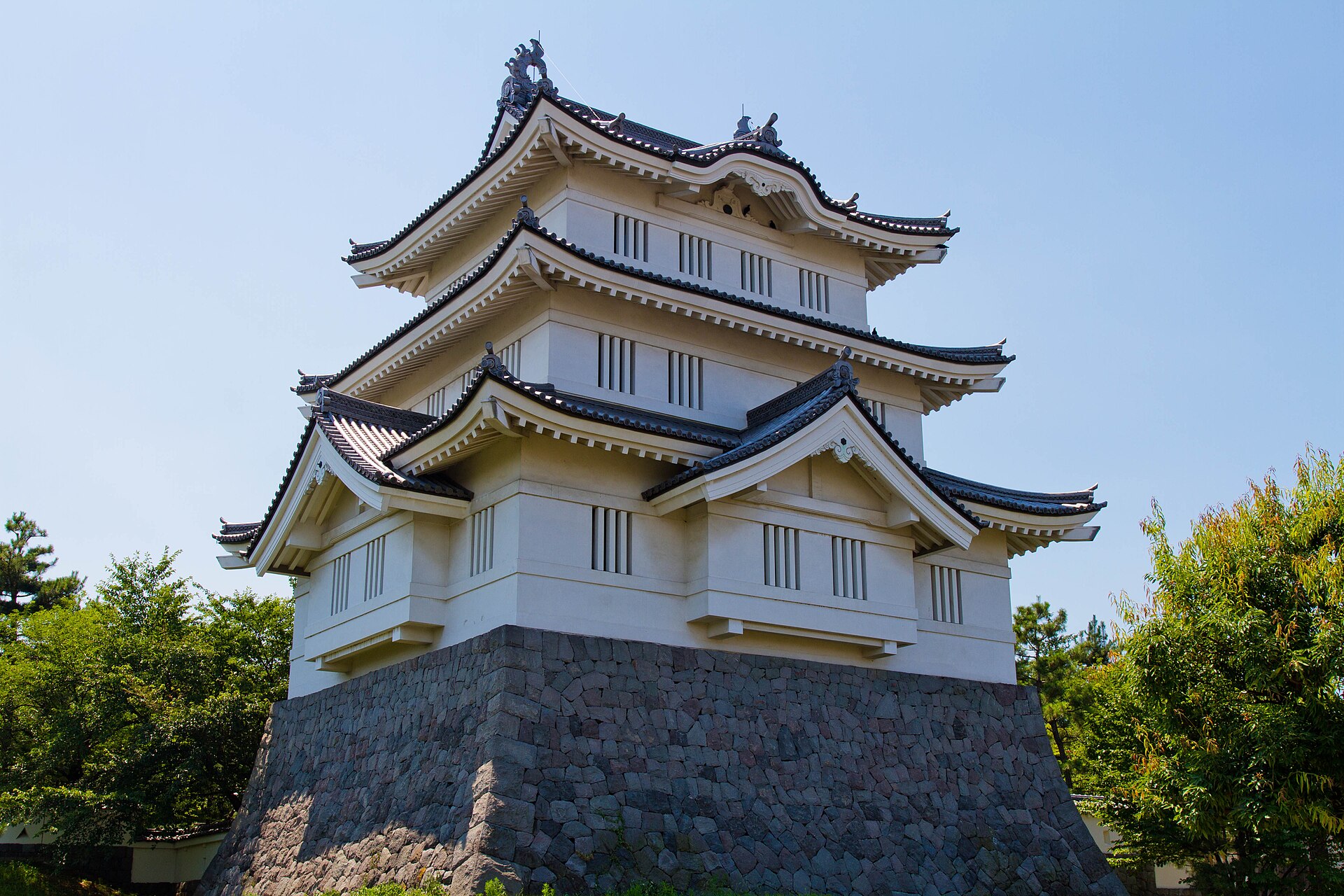
    Most of the castle was dismantled in the Meiji era. A three-story turret was reconstructed in 1988 and now houses the Gyoda City Local Museum, with exhibits on the castle, the kofun and the tabi industry. Climb to the top for a view over the city.

    Events

    Gyoda holds Hanachozu weeks several times a year, when shrine water basins and the castle pond are filled with floating flowers, sometimes with light shows at Oshi Castle in the evening.

    Getting there

    Gyodashi Station on the Chichibu Railway is closest to the castle and warehouse streets. JR Gyoda Station on the Takasaki Line is about an hour from Tokyo; from there, use the city loop bus.

    Sources and further reading

    Featured image: baku13 / Wikimedia Commons (CC BY-SA 2.1 jp). Practical details such as prices, hours and schedules change often. Please check the official sources before you travel.
  • Sakitama Kofun Park: Climbing Ancient Burial Mounds in Gyoda

    Sakitama Kofun Park: Climbing Ancient Burial Mounds in Gyoda

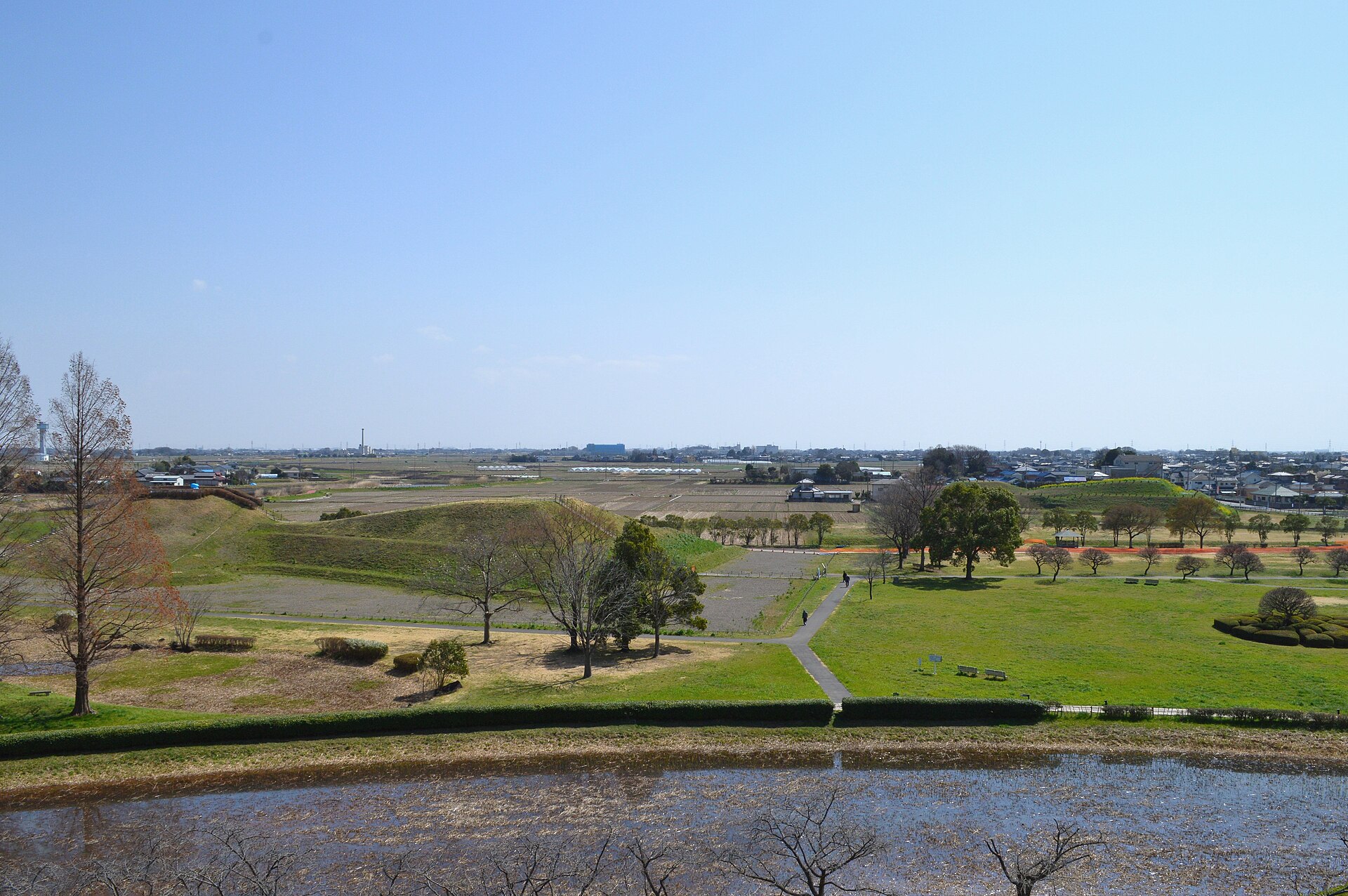
    Japan’s ancient keyhole-shaped tombs are usually fenced off and covered in forest. At Sakitama Kofun Park in northern Saitama, you can walk right up onto them.

    Where Saitama got its name

    The Sakitama Kofun Cluster in Gyoda is a group of nine large burial mounds (kofun) built between the second half of the 5th century and the early 7th century for powerful local rulers. The area’s old name, Sakitama, later became “Saitama”, the name of the whole prefecture.

    The cluster was designated a National Historic Site in 1938 and upgraded to a Special National Historic Site in 2020, a rank given only to sites of the highest value.

    The mounds

    • Maruhakayama Kofun: about 105 meters across and 19 meters high, one of the largest round burial mounds in Japan. Climb the steps for a view over the flat rice country.
    • Inariyama Kofun: a keyhole-shaped mound about 120 meters long, which you can also climb.
    • Futagoyama Kofun: the largest keyhole-shaped mound in the cluster, at about 138 meters.

    The Inariyama Sword

    In 1968, excavations at Inariyama Kofun found an iron sword. Years later, X-ray examination revealed 115 characters inlaid in gold on its blade. The inscription names a local warrior who served a great king, believed to be Emperor Yuryaku, making it one of the most important written records of 5th-century Japan. The sword and other grave goods were designated National Treasures in 1983.

    You can see the sword at the Saitama Prefectural Museum of the Sakitama Ancient Burial Mounds in the park, along with mirrors, armor, horse fittings and haniwa clay figures. At the nearby Haniwa no Yakata, you can try making your own haniwa.

    Address4834 Sakitama, Gyoda, Saitama
    Museum closedMondays (or the next day if Monday is a holiday) and over New Year
    AccessJR Takasaki Line to Fukiage or Gyoda Station, then city bus; or about 40 min by car from the Higashi-Matsuyama IC

    Make a day of it

    Gyoda is perfect for a full day: the kofun in the morning, the tabi warehouses and Oshi Castle at lunchtime, and the ancient lotus park and rice paddy art in the afternoon (in season).

    Sources and further reading

    Featured image: Saigen Jiro / Wikimedia Commons (CC0). Practical details such as prices, hours and schedules change often. Please check the official sources before you travel.
  • Gyoda Rice Paddy Art and the 1,400-Year-Old Lotus

    Gyoda Rice Paddy Art and the 1,400-Year-Old Lotus

    From the ground it looks like an ordinary rice field. From the top of a 50-meter tower, it becomes a giant painting.

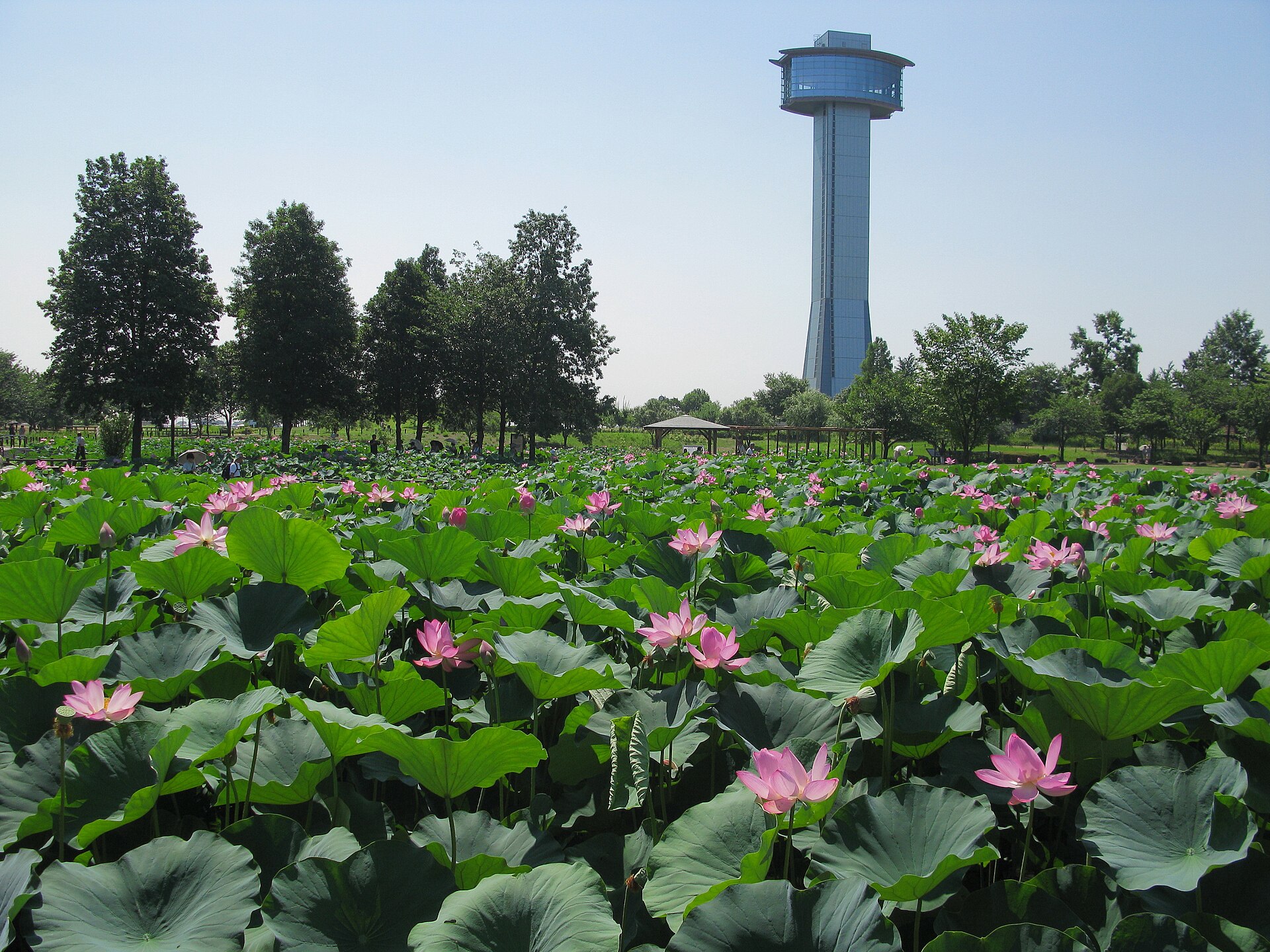
    Kodaihasu no Sato: the ancient lotus park

    In 1971, construction work in Gyoda uncovered lotus seeds that had lain dormant in the ground for an estimated 1,400 years. Some germinated and bloomed, producing a lotus with fewer petals than modern varieties. They became the town’s pride.

    Today, the park called Kodaihasu no Sato (“village of the ancient lotus”) grows about 120,000 lotus plants of 42 varieties, including the ancient Gyoda lotus. They bloom from around mid-June to early August. Come early in the morning, when the flowers open.

    The world’s largest rice paddy art

    Beside the park, local residents and volunteers plant rice of several colors in a precise design every June. As the rice grows, a huge picture appears in the field. In 2015 the Gyoda rice paddy art was certified by Guinness World Records as the largest in the world. The design changes every year; past themes have included the Rugby World Cup and the Nazca lines.

    The art is too big to see from the ground. Climb the 50-meter observation tower next to the field, which also houses a small lotus museum, for the full picture. On clear days you may even see Mount Fuji.

    Best timeLotus: mid-June to early August. Rice paddy art: mid-July to mid-October.
    Tower admissionAbout 400 yen for adults
    Address2375-1 Kobari, Gyoda, Saitama
    AccessCity loop bus from JR Gyoda Station (Takasaki Line) to Kodaihasu no Sato

    Tips

    • Visit the lotus in the morning, and the rice art from late July, when the colors are clearest.
    • Summers in northern Saitama are very hot. Bring water and a hat.
    • Combine with Sakitama Kofun Park and Gyoda’s tabi warehouses.

    Sources and further reading

    Featured image: 京浜にけ / Wikimedia Commons (CC BY-SA 3.0). Practical details such as prices, hours and schedules change often. Please check the official sources before you travel.
  • Hatoyama: Quiet Satoyama Walks in the Hiki Hills

    Hatoyama: Quiet Satoyama Walks in the Hiki Hills

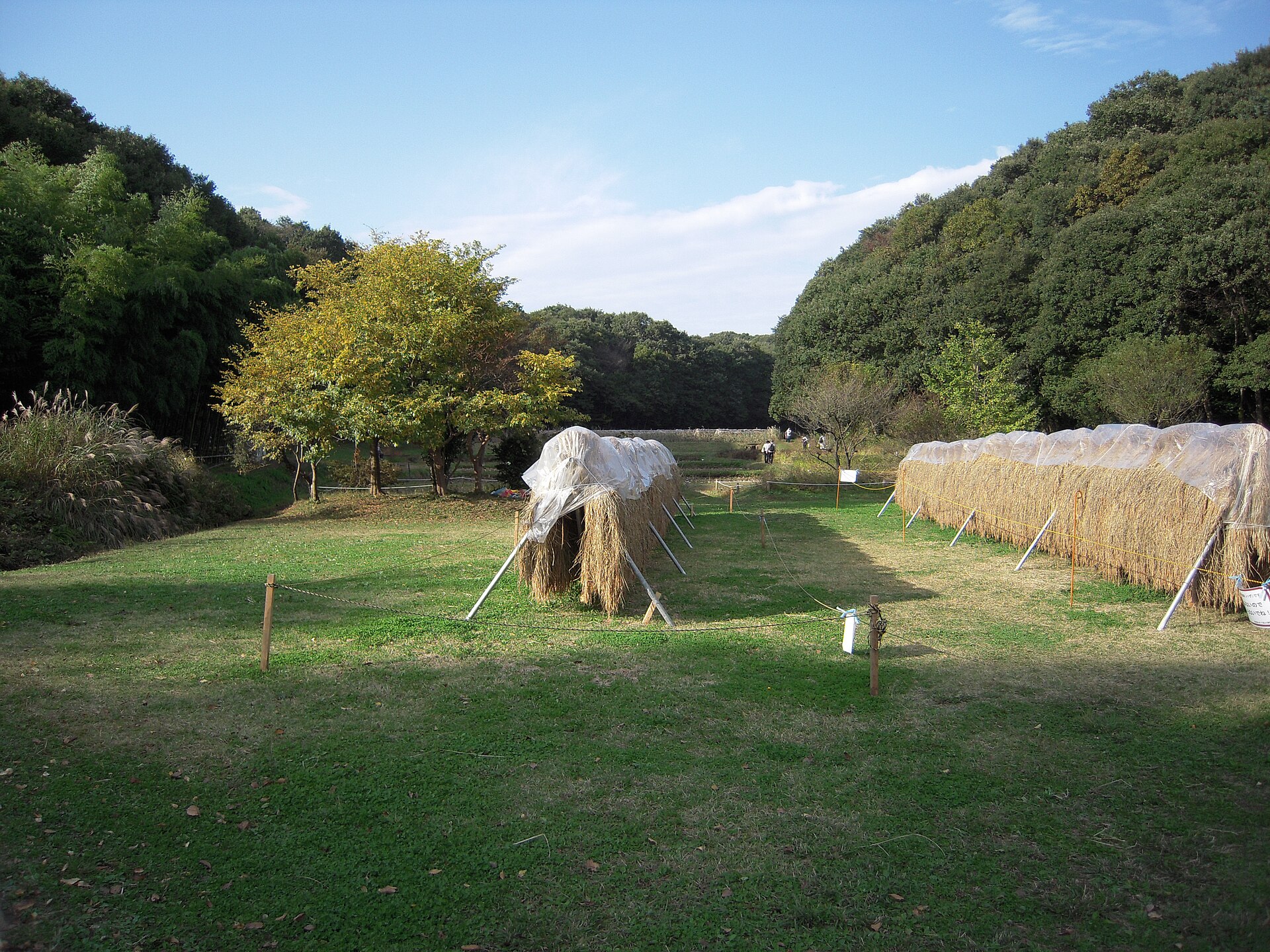
    Not every trip needs a famous sight. In Hatoyama, the attraction is the landscape itself: coppiced woods, small valleys with rice paddies, frogs, dragonflies and the sound of the wind in the oak trees.

    What is satoyama?

    Satoyama describes the traditional Japanese countryside between village and mountain: mixed woodland once cut for firewood and charcoal, small rice fields in narrow valleys (yatsuda), ponds and farmland. Managed by people for centuries, these landscapes became some of the richest habitats for wildlife in Japan. When rural life changed, many were abandoned or developed.

    Hatoyama, a town in Hiki District in central Saitama, still has plenty of this landscape, and local groups work hard to protect it.

    Places to walk

    • Ishizaka no Mori (Ishizaka Forest): a satoyama woodland where you can easily feel the breath of nature, with walking paths through mixed forest.
    • The forests around Kumai: the local NPO Hatoyama Environment Forum looks after woodlands here and has been turning an abandoned rice field into a biotope for native species such as the Tokyo salamander. Already, dragonflies and loaches have returned.
    • Rice paddies and small valleys across town, especially beautiful in June when the fields are flooded and in September when the rice turns gold.

    Join in

    Hatoyama’s conservation groups regularly hold events such as forest work days, sweet potato digging and nature walks. Joining one is a wonderful way to meet local people and learn how satoyama is maintained. Check the Hatoyama Environment Forum’s website for upcoming events.

    Combine with

    • The JAXA Earth Observation Center and the ancient Minami-Hiki kiln sites, both in Hatoyama.
    • The Saitama Children’s Zoo in neighboring Higashi-Matsuyama.
    • Tokigawa and its hot springs, about 20 minutes away by car.

    Getting there

    From Takasaka Station on the Tobu Tojo Line, local buses run toward Hatoyama New Town. A car or bicycle is recommended for exploring the countryside. Bring insect repellent in summer and wear shoes that can handle muddy paths.

    Sources and further reading

    Featured image: four horsemen / Wikimedia Commons (CC BY-SA 3.0). Practical details such as prices, hours and schedules change often. Please check the official sources before you travel.
  • From Ancient Kilns to Satellites: A Day of History and Space in Hatoyama

    From Ancient Kilns to Satellites: A Day of History and Space in Hatoyama

    In one small Saitama town you can stand where potters fired roof tiles 1,300 years ago, then watch how satellites photograph the Earth today.

    The Minami-Hiki kiln sites

    The hills of southern Hiki were once one of the largest pottery-producing areas in eastern Japan. In ancient times, potters dug kilns into the slopes here to fire sueki stoneware and roof tiles for the province of Musashi.

    In December 2022, Japan’s Council for Cultural Affairs recommended the Minami-Hiki Kiln Sites (Minami-Hiki Kamaato) for designation as a National Historic Site, the first in Hatoyama. Much of the site is in quiet woodland, so the best way to understand it is to visit the town’s history materials and follow local walking guides. Ask at the town office for current information about viewing areas and events.

    The JAXA Earth Observation Center

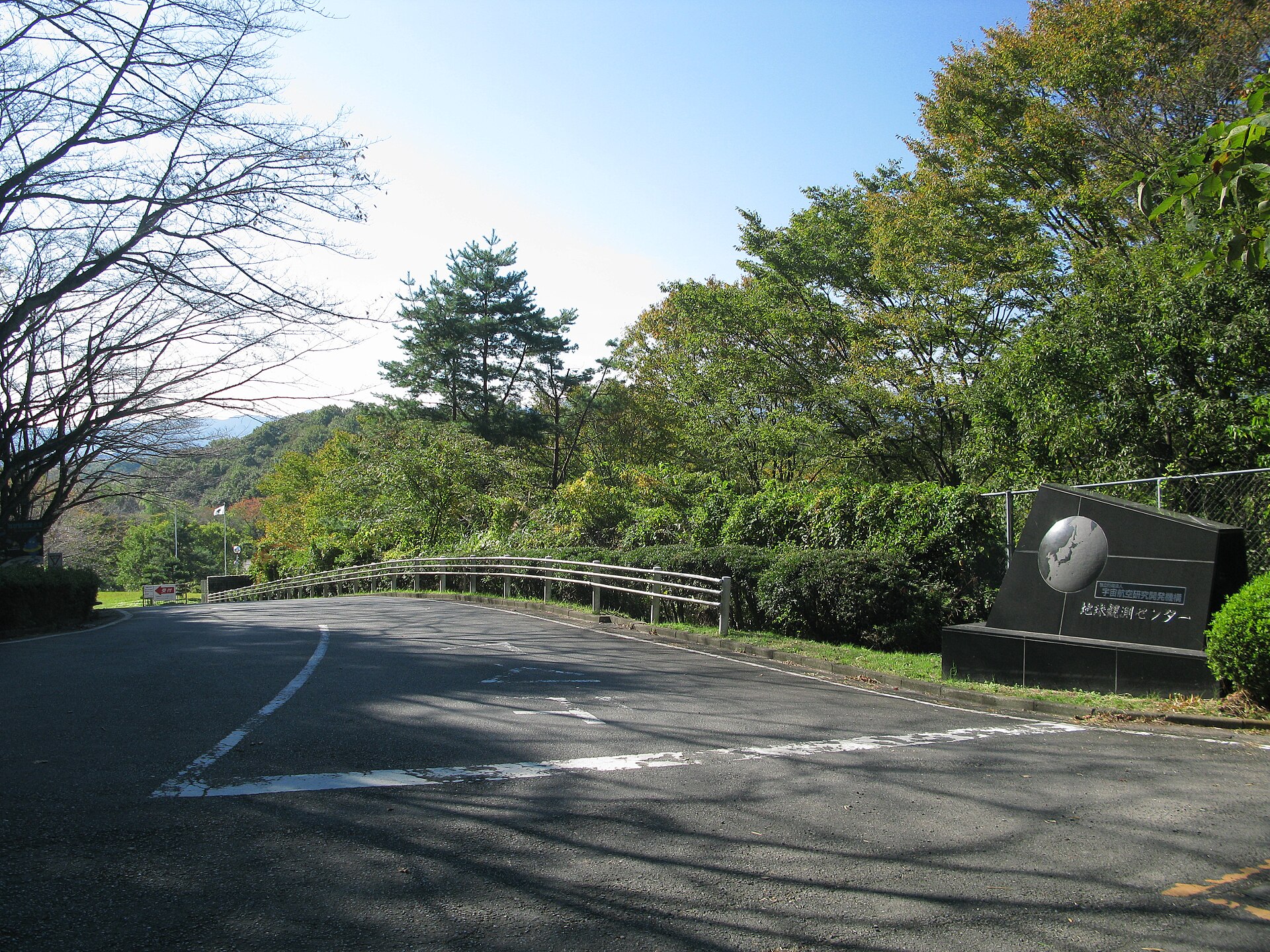
    A short drive away, the JAXA Earth Observation Center receives and processes data from Earth observation satellites. Its exhibition room is the only place in Saitama that shows the Earth as seen from space: satellite images of Japan and the world, models of satellites and explanations of how they are used for weather, disaster response and the environment.

    Address1401 Numanoue, Oaza Ohashi, Hatoyama, Saitama
    Hours10:00–16:30 (closed over New Year and on some temporary days)
    AdmissionFree; guided tours require a reservation
    AccessBus from Takasaka Station (Tobu Tojo Line) toward Hatoyama New Town, then a walk; about 15 min by car from Sakado-Nishi Smart IC

    Why come?

    Hatoyama is not a tourist town, and that is its charm. Pair the ancient kilns and the space center with a satoyama walk at Ishizaka no Mori for a day that spans a thousand years of human history in one quiet landscape.

    Sources and further reading

    Featured image: 京浜にけ / Wikimedia Commons (CC BY-SA 3.0). Practical details such as prices, hours and schedules change often. Please check the official sources before you travel.

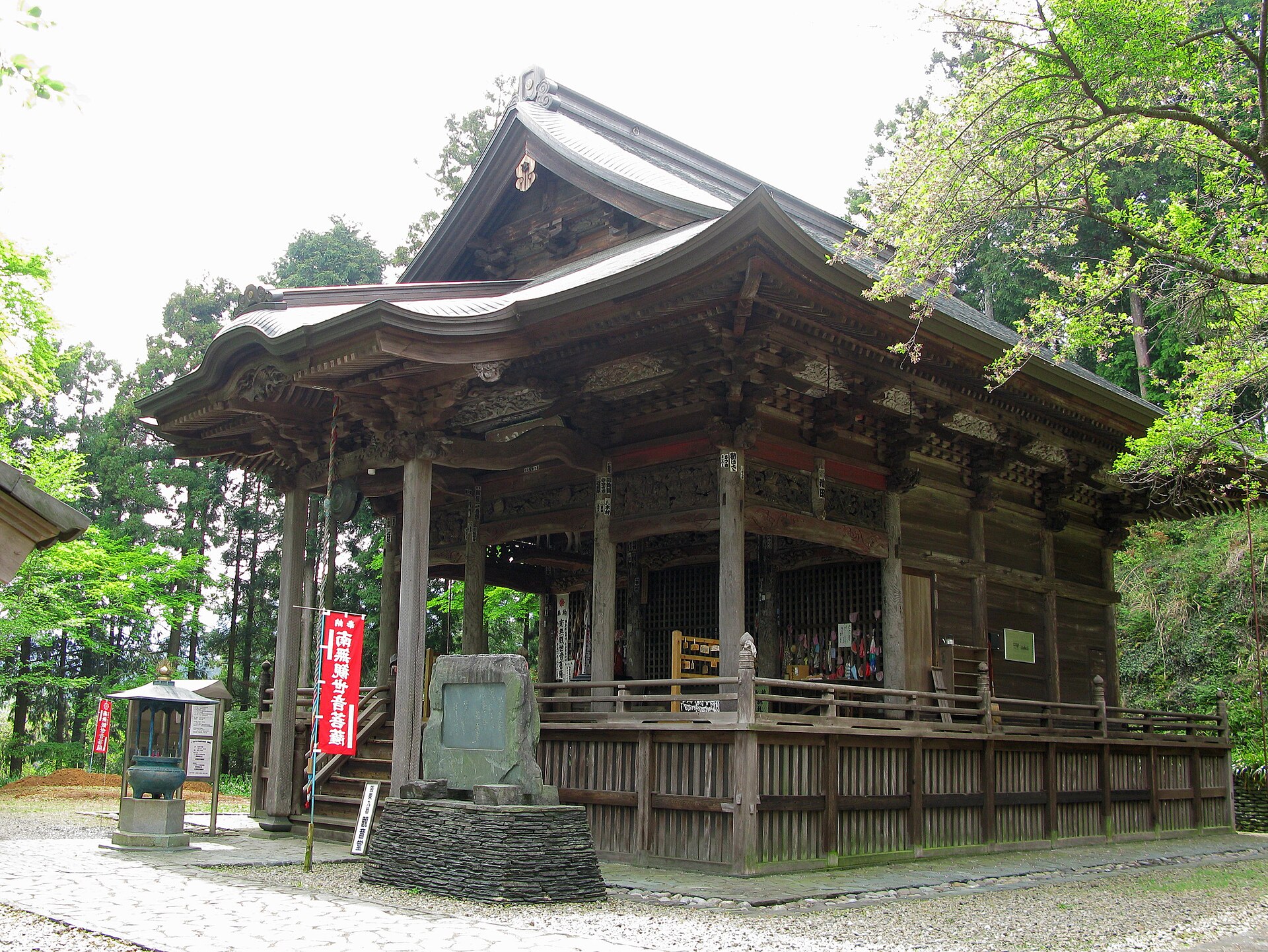
  • Jikoji: A 1,300-Year-Old Mountain Temple in Tokigawa, Saitama

    Jikoji: A 1,300-Year-Old Mountain Temple in Tokigawa, Saitama

    Only about an hour and a half from central Tokyo, the road climbs into cedar-covered hills and ends at a temple older than Kyoto itself. Few international visitors have heard of Jikoji, which is exactly why it is worth the trip.

    One of the oldest temples in Saitama

    According to temple tradition, Jikoji was founded in 673, when a monk from Kofuku-ji in Nara set up a hall for a Thousand-Armed Kannon on this mountain. Around a century later, a disciple of the famous Chinese monk Ganjin formally established the temple. It belongs to the Tendai school of Buddhism and is one of the Bando Sanjusankasho, a pilgrimage of 33 Kannon temples across eastern Japan.

    In the Kamakura period, Jikoji was a powerful mountain monastery. It is said that Minamoto no Yoritomo, the first Kamakura shogun, prayed here for victory, and that the mountain once held around 75 monks’ lodgings. Little of that scale remains today, but walking up the stone paths between the old halls, it is easy to imagine.

    What to see

    • The Kannon Hall, the heart of the temple and a stop for Bando pilgrims.
    • The treasure hall, which holds important Buddhist art and sutras. Some of the temple’s most valuable objects are kept at the Tokyo National Museum, and a full-size replica of one of its old structures is shown at the Saitama Prefectural Museum of History and Folklore.
    • Old stone monuments and quiet forest paths around the temple, especially beautiful in fresh green and autumn colors.
    • Hydrangeas in early summer, when the hillside path becomes a tunnel of blue and purple.
    Address386 Nishidaira, Tokigawa, Hiki District, Saitama
    GroundsFree to enter
    Treasure hallAround 300 yen for adults; open roughly 9:00–16:00
    Getting thereFrom Musashi-Ranzan Station (Tobu Tojo Line), take the Tokigawa town bus to Seseragi Bus Center (about 30 min), then change to the bus for Jikoji (about 9 min)

    Make a day of it

    Combine Jikoji with a hike on the Tokigawa trekking course toward Mount Doudaira, a soak at one of Tokigawa’s hot springs, and a stop at the local farmers’ market for seasonal vegetables. If you have time, stay overnight at the Doudaira Observatory for some of the best stargazing near Tokyo.

    Tip: buses to Jikoji are infrequent. Check the return timetable before you go, or travel by car.

    Sources and further reading

    Featured image: 京浜にけ at Japanese Wikipedia / Wikimedia Commons (CC BY-SA 3.0). Practical details such as prices, hours and schedules change often. Please check the official sources before you travel.