Blog

  • Kikori Club: Woodland Adventures for Kids in the Satoyama of Hatoyama

    Kikori Club: Woodland Adventures for Kids in the Satoyama of Hatoyama

    Cutting down a tree with a saw, climbing it, building a secret base and cooking over a campfire: for children growing up in Japan’s cities, these are rare adventures. Kikori Club makes them part of everyday learning.

    Disclosure: Kikori Club is run by the founder of Deep Japan Adventure. We share it here because it is a real nature program we know from the inside, and we want readers to know about that connection.

    What is Kikori Club?

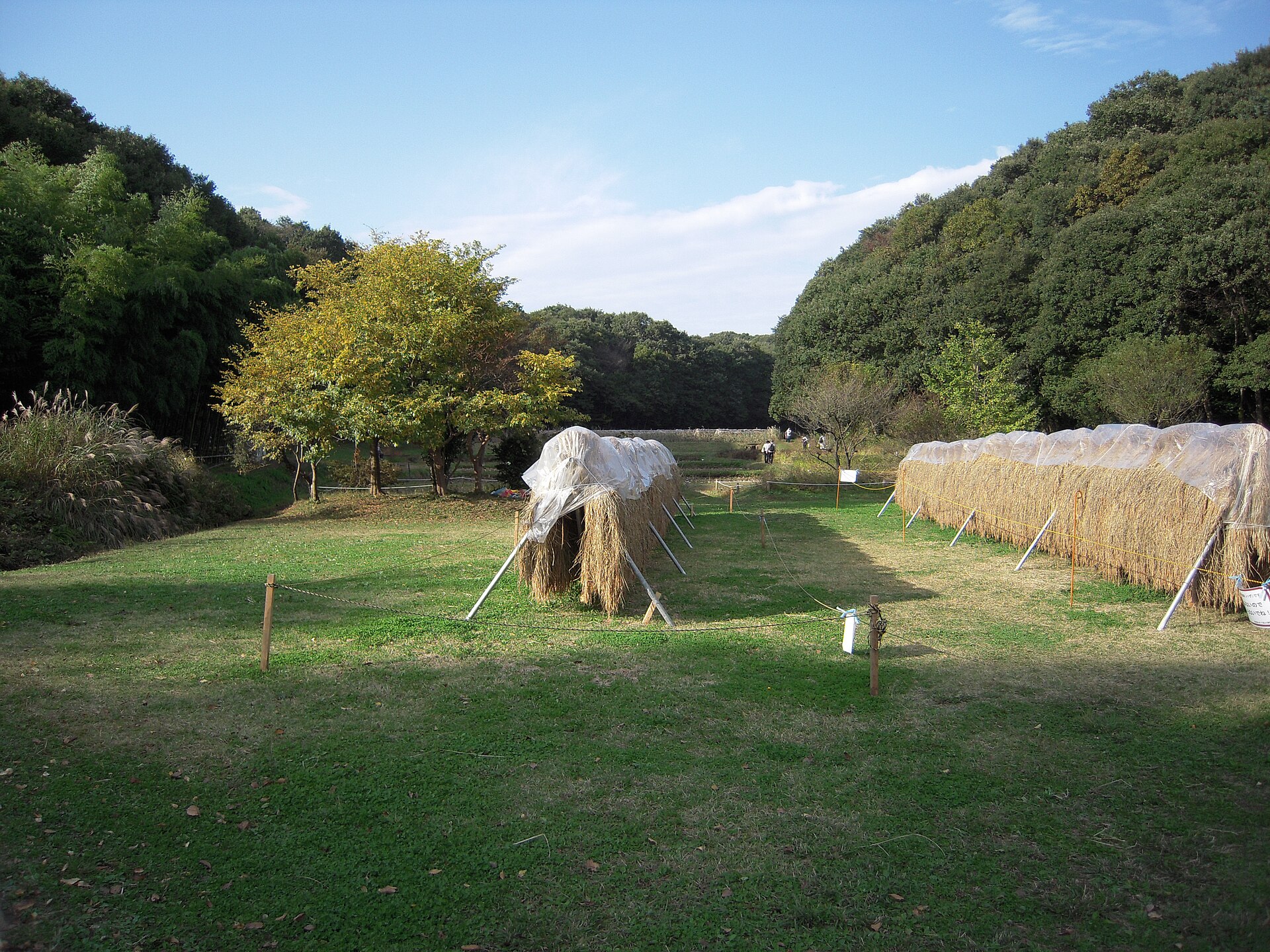
    Kikori Club (kikori means woodcutter) is a nature experience club that aims to build children’s “power to live”. Its field is the satoyama woodland of the Kumai area in Hatoyama, Saitama, a landscape of coppice forest, small valleys and farmland in the Hiki Hills.

    The club values letting children think for themselves and take on challenges, learning through real experience rather than instructions.

    Activities

    Activities change with the seasons and include:

    • Cutting trees and tree climbing
    • Digging for bamboo shoots in spring
    • Campfires and outdoor cooking
    • Building secret bases in the woods
    • Hiking, river play and outdoor games
    • Nature crafts
    • Farming experiences

    Programs

    • Kikori Club (regular program): a day activity held once a month, for children only, mainly of elementary school age.
    • Kikori Camp: an overnight camp held during the summer holidays in July and August. Applications usually open in June.
    • Parent-and-child Kikori Club: a day program for children aged 3 to elementary school with an accompanying adult (currently on hold).

    The club posts monthly reports of its activities on its blog and shares event news on Facebook. It has been featured in the education magazine DreamNavi.

    Who is it for? Kikori Club is run in Japanese and is mainly for children living in Japan, including international families in the Tokyo and Saitama area. Check the website for the latest schedule, fees and application forms.

    Getting there

    Hatoyama is in the Hiki district of central Saitama, about an hour from central Tokyo. The nearest major station is Takasaka on the Tobu Tojo Line. Meeting points and directions are given when you apply.

    While you are in the area, read our guides to satoyama walks in Hatoyama and Hatoyama’s ancient kilns and JAXA center.

    Sources and further reading

    Featured image: four horsemen / Wikimedia Commons (CC BY-SA 3.0).
  • Rice Planting and Harvest in the Terraced Fields of Tochikubo, Minamiuonuma

    Rice Planting and Harvest in the Terraced Fields of Tochikubo, Minamiuonuma

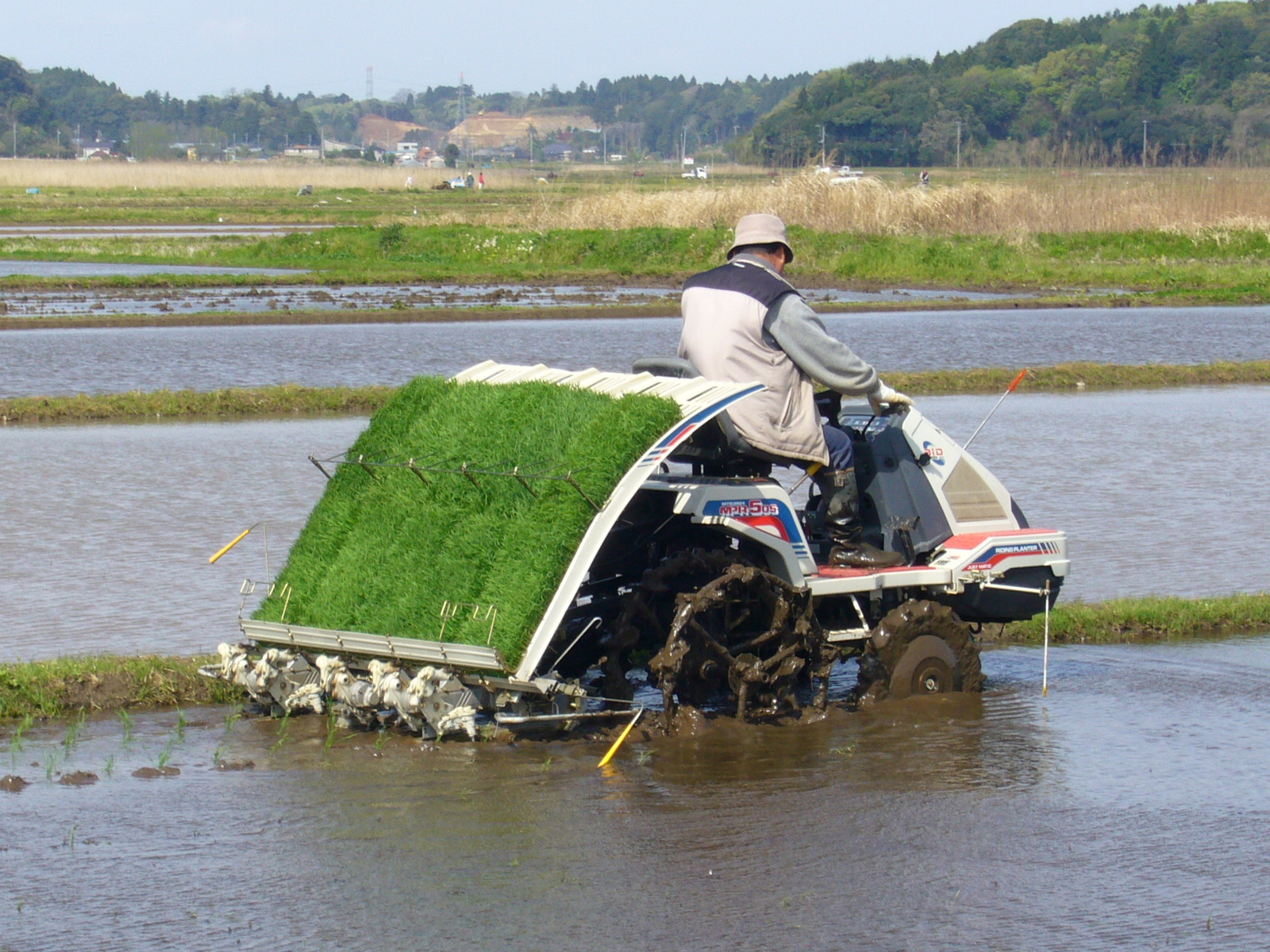
    Every grain of rice in Japan starts with a small green seedling pushed into the mud by hand or machine. On the terraced paddies of Tochikubo in Niigata, you can see where some of the country’s finest rice is grown.

    Disclosure: the founder of Deep Japan Adventure is involved in selling Higuma no Kome. We introduce it because we know the farm and its rice first-hand, and we want to be open about that connection.

    Rice from the snow country

    Minamiuonuma in Niigata Prefecture is one of the most famous rice-growing areas in Japan, known for its Koshihikari. In the hamlet of Tochikubo, on the Nishiyama side of Minamiuonuma, rice terraces climb the hillside at about 500 to 600 meters above sea level.

    Here the Higuma family has been growing rice for around 200 years. Their rice, sold as “Higuma no Kome” (Minamiuonuma Tochikubo terraced-field rice), is grown with snowmelt and spring water, with the water managed paddy by paddy. The big difference between warm days and cool nights in the mountains helps the rice develop its flavor.

    The farm is certified as an Eco-Farmer by Niigata Prefecture and its grower has been recognized as a Best Farmer at an international rice taste analysis competition. Beyond farming, the family works to protect the terraces and the surrounding mountains, which would quickly return to forest without constant care.

    Rice planting and harvesting

    In terraced fields like these, the year follows the rice:

    • Spring (around May): fields are flooded and seedlings are planted, often with the snow-capped mountains still in view.
    • Summer: weeding and careful water management as the rice grows tall and green.
    • Autumn (around September): the golden rice is cut, bundled and dried before the new-crop rice is shipped.

    Taking part in rice planting or harvesting is one of the best ways to understand Japanese food and rural life. You work barefoot in the mud, learn how to place the seedlings or use a sickle, and share a meal of rice with the people who grew it.

    How to join: dates, availability and details of rice planting and harvesting experiences at Tochikubo are arranged directly with the farm. Please contact Higuma no Kome through its website. Information is mainly in Japanese.

    Taste the rice

    If you cannot visit, you can still taste Tochikubo rice. Higuma no Kome sells its rice through its own online shop and several Japanese shopping and furusato nozei (hometown tax donation) sites, and it is served at some restaurants in Minamiuonuma and Tokyo.

    Getting there

    Minamiuonuma is on the Joetsu Line in Niigata, near Echigo-Yuzawa on the Joetsu Shinkansen, about 1.5 hours from Tokyo. Tochikubo is in the hills on the west side of the valley; a car is the easiest way to reach it.

    Sources and further reading

    Featured image: katorisi / Wikimedia Commons (CC BY 2.5). The photo shows rice planting in Japan, not the Tochikubo terraces themselves.

  • Ogawa Washi: Making UNESCO-Listed Paper by Hand in Saitama

    Ogawa Washi: Making UNESCO-Listed Paper by Hand in Saitama

    Strong enough to last for centuries and soft enough to fold like cloth, Japanese handmade paper is one of the country’s quiet wonders. One of its homes is just an hour from Ikebukuro.

    1,300 years of papermaking

    The town of Ogawa and the neighboring village of Higashichichibu in Saitama have made paper for some 1,300 years. Clear rivers and the mulberry (kozo) that grew in the hills made the area ideal for papermaking, and its closeness to Edo (Tokyo) created a steady market. The local paper became known as Ogawa washi.

    Its finest form is Hosokawa-shi, a tough, unbleached paper made only from kozo fibers. It was prized by merchants and officials in Edo for account books and records because it lasts so well. In November 2014, Hosokawa-shi was inscribed on UNESCO’s list of Intangible Cultural Heritage together with Hon-minoshi from Gifu and Sekishu-banshi from Shimane, under the title “Washi, craftsmanship of traditional Japanese hand-made paper”.

    Try making washi

    • Washi no Sato (Higashichichibu): a “papermaking village” with a workshop, exhibition halls, shops and a thatched farmhouse. Visitors can make their own sheet of paper using local kozo.
    • Saitama Traditional Crafts Center (Ogawa): exhibits on Saitama crafts and papermaking experiences.
    • Independent studios: some craftspeople in Ogawa and Tokigawa welcome visitors to watch and try making postcards (reservation usually needed).

    Making paper is surprisingly physical: you scoop the fiber-filled water with a bamboo screen and shake it back and forth until an even sheet forms. Your paper will be dried and ready to take home, often the same day.

    Getting there

    Ogawamachi Station is on the Tobu Tojo Line (direct trains from Ikebukuro) and the JR Hachiko Line. Washi no Sato is about 15 minutes by bus from Ogawamachi Station or 15 minutes by car from the Ranzan-Ogawa Interchange. Combine with Tokigawa and Mount Doudaira for a weekend in the hills.

    Sources and further reading

    Featured image: photo: Qurren (talk) Taken with Canon PowerShot G9 X / Wikimedia Commons (CC BY-SA 3.0). Practical details such as prices, hours and schedules change often. Please check the official sources before you travel.
  • Sayama Hills: Walking the Forests That Inspired a Famous Anime

    Sayama Hills: Walking the Forests That Inspired a Famous Anime

    Between Saitama and Tokyo, just beyond the suburbs, lies an island of woodland, farm fields and reservoirs. People here have spent decades saving it, one small plot at a time.

    A forest saved by citizens

    The Sayama Hills are a low range of wooded hills on the border of Tokorozawa and western Tokyo. The area is said to be one of the places that inspired the countryside setting of Hayao Miyazaki’s 1988 film My Neighbor Totoro.

    In 1990, local residents started a national trust movement to protect the hills from development, and in 1998 it became the Totoro no Furusato Foundation. With donations from people and companies across Japan, it has bought dozens of small plots of woodland, called “Totoro’s Forests” (Totoro no Mori). Volunteers manage them, cutting bamboo, clearing paths and keeping the satoyama landscape bright and healthy.

    Things to see

    • The Totoro’s Forests: numbered plots scattered through the northern Sayama Hills, linked by walking paths and nature trails.
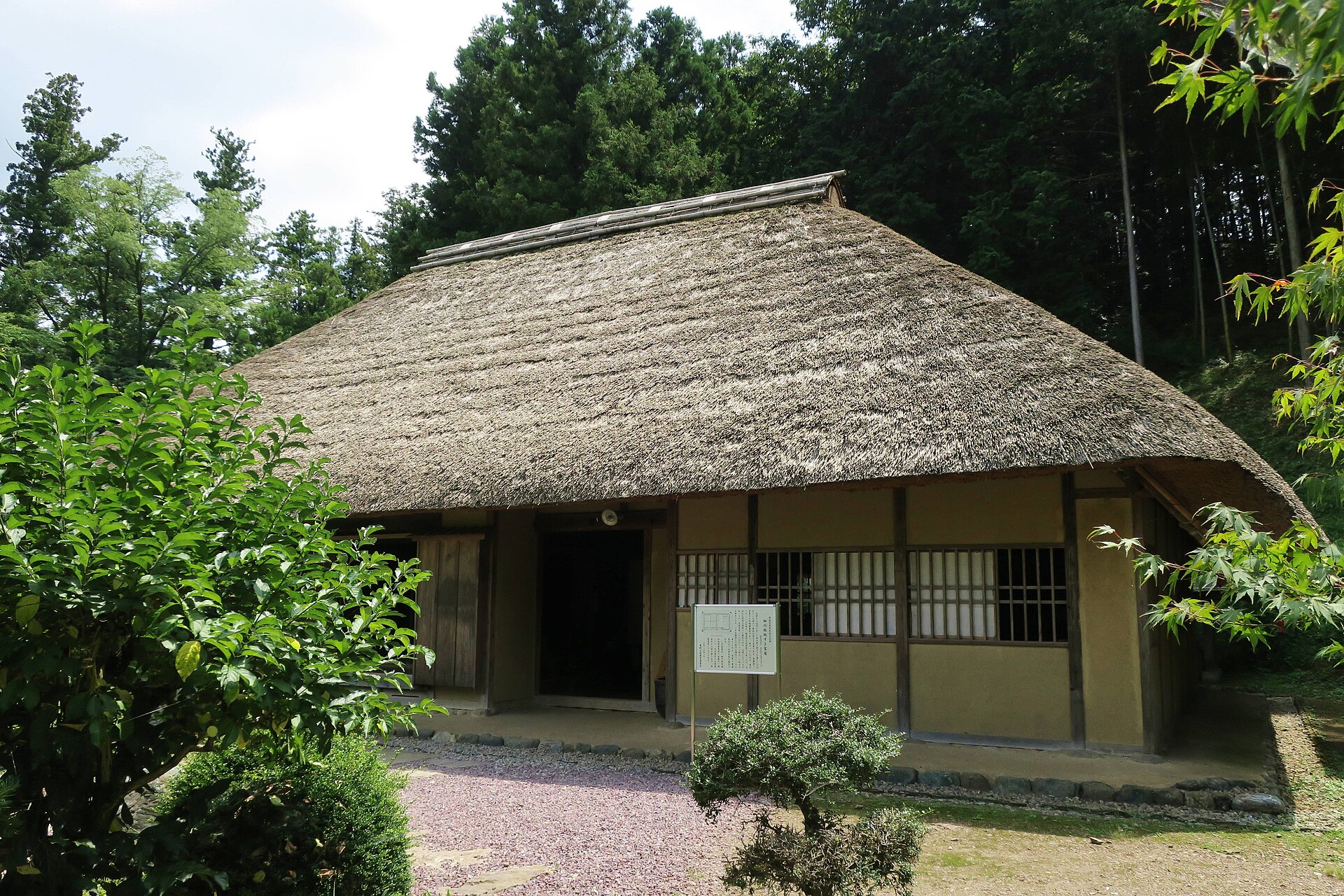
    • Kurosuke’s House: a traditional farmhouse built more than 100 years ago, now a registered Tangible Cultural Property and the foundation’s base. It opens on limited days (Tuesday, Wednesday and Saturday, 10:00–15:00) and requires a reservation; admission is about 500 yen.
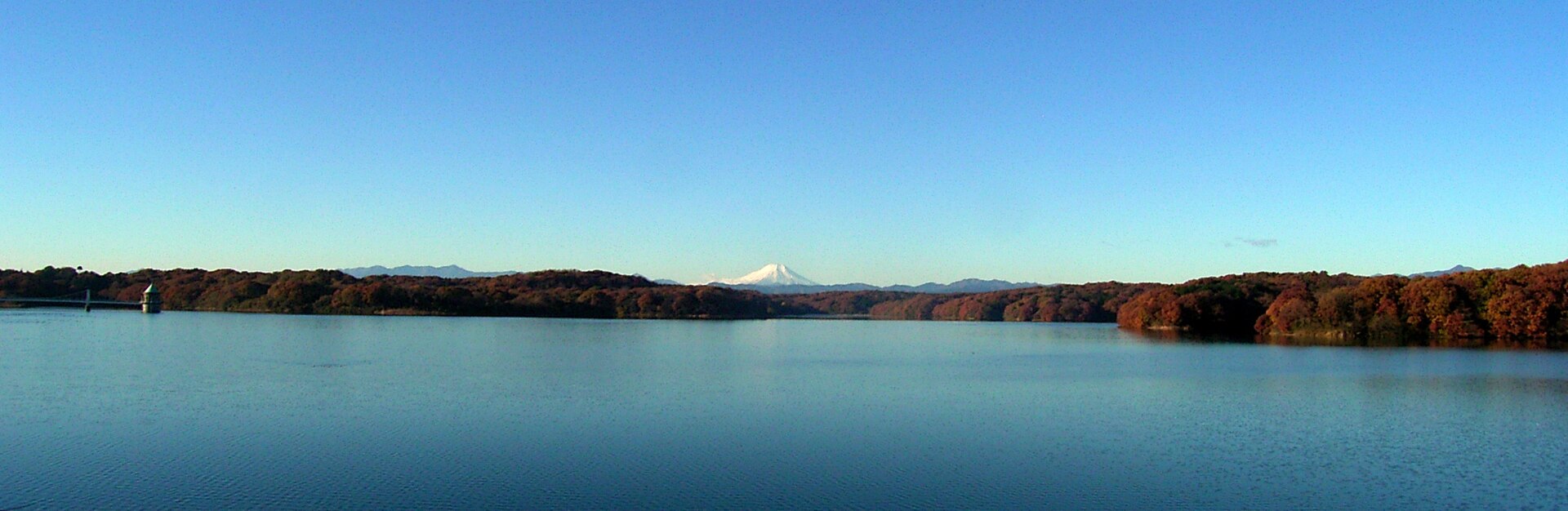
    • Lake Sayama and Lake Tama: reservoirs surrounded by forest, with views of Mount Fuji on clear winter days.
    • Saitama Midori-no-Mori Nature Park and the Sayama Hill Flora and Fauna Interaction Center, good starting points for walks.

    Visiting respectfully

    These are working conservation forests, not a theme park. Stay on the paths, take your trash home, and do not pick plants. There is no parking at Kurosuke’s House, so come by public transport.

    Getting there

    From Kotesashi Station (Seibu Ikebukuro Line), take a Seibu bus toward Miyadera-nishi or Waseda University. Seibu-Kyujo-mae Station is another starting point; from there it is a scenic walk of about 45 minutes to Kurosuke’s House.

    Sources and further reading

    Featured image: DS80s / Wikimedia Commons (CC BY-SA 3.0). Practical details such as prices, hours and schedules change often. Please check the official sources before you travel.
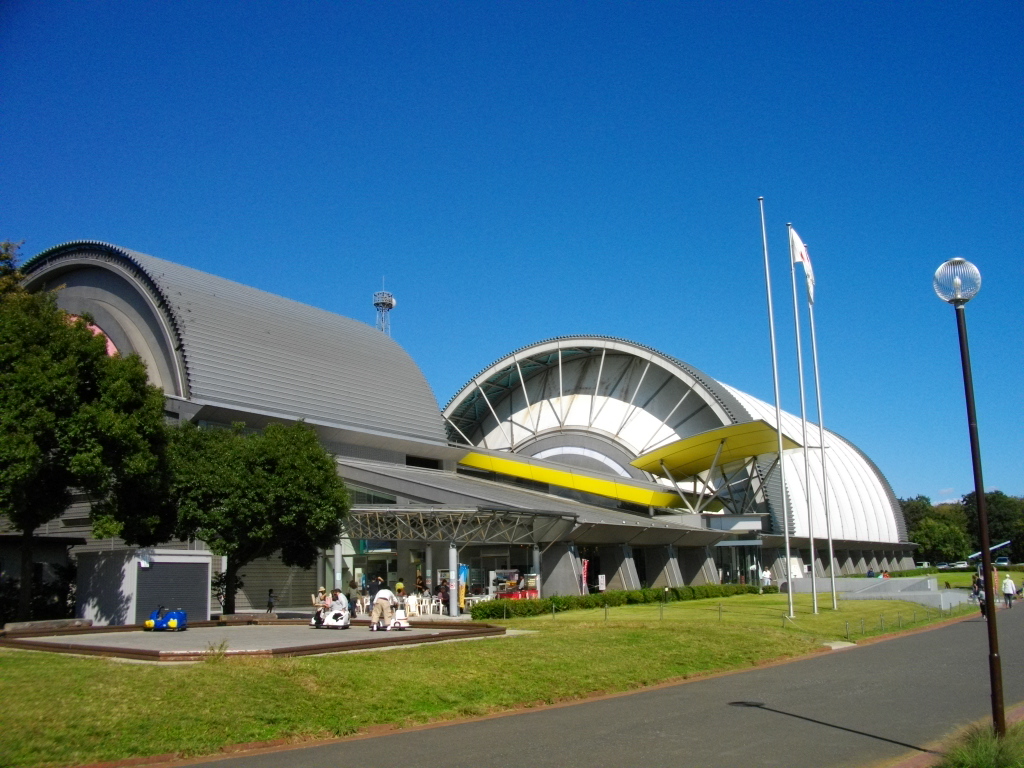
  • Tokorozawa: The Birthplace of Japanese Aviation

    Tokorozawa: The Birthplace of Japanese Aviation

    On a quiet lawn in Saitama, joggers and families picnic where Japan’s first airplanes once took off.

    Japan’s first airfield

    On April 1, 1911, Japan’s first airfield opened in Tokorozawa, chosen by an army study group for its wide, flat land. Later that year, on October 13, the first Japanese-built airplane, the Kaishiki No. 1 biplane, made its first flight here. Tokorozawa quickly became the center of early Japanese aviation, with a flying school and research facilities.

    After the Second World War the site was used by the US military. Part of it was returned and opened in 1978 as Tokorozawa Aviation Memorial Park, at about 50 hectares the largest prefectural park in Saitama. The line of the original runway can still be seen in the grass.

    Tokorozawa Aviation Museum

    Inside the park, the Tokorozawa Aviation Museum tells the story of flight in Japan. Exhibits change over time but usually include historic aircraft and helicopters, replicas of early planes, engines, and hands-on flight simulators that are popular with children. A large-screen theater shows aviation films.

    • Outside, a C-46 transport plane once used by the Air Self-Defense Force is on display.
    • The park also has big lawns, a Japanese garden, sports facilities, a dog run and an outdoor stage.
    • Cherry blossoms make it a popular hanami spot in spring.

    Getting there

    The park is right next to Kokukoen Station on the Seibu Shinjuku Line, about 35–40 minutes from Seibu-Shinjuku. The museum is generally closed on Mondays (check the official website for hours and fees).

    Sources and further reading

    Featured image: Abasaa / Wikimedia Commons (Public domain). Practical details such as prices, hours and schedules change often. Please check the official sources before you travel.

  • Musashino Reiwa Shrine: A New Shinto Shrine for the Anime Age

    Musashino Reiwa Shrine: A New Shinto Shrine for the Anime Age

    Most Shinto shrines in Japan are centuries old. Musashino Reiwa Shrine was built in 2020, and it shows what a shrine can look like in the 21st century.

    A shrine for the Reiwa era

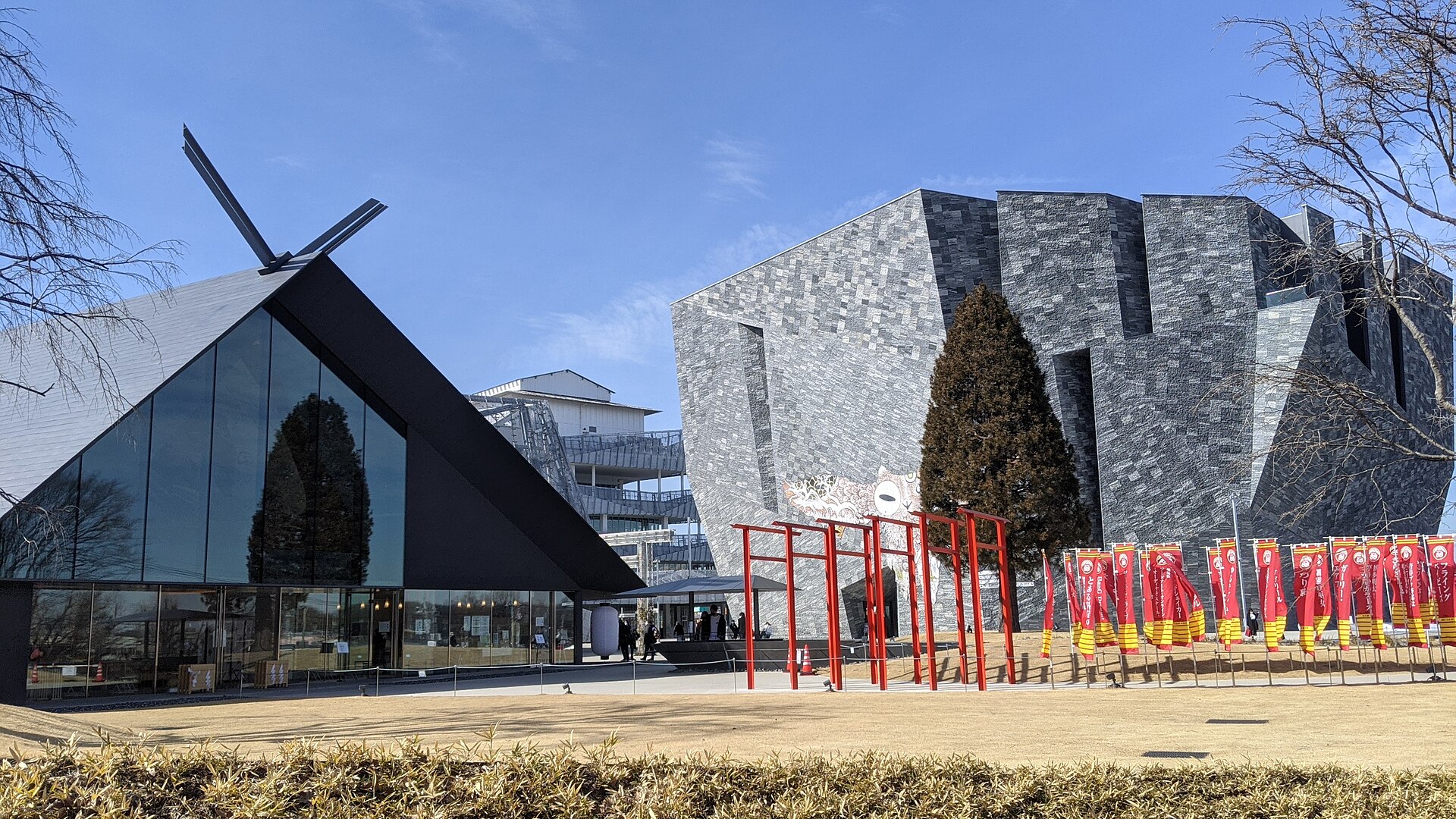
    The shrine stands in Tokorozawa Sakura Town, next to the Kadokawa Culture Museum. Its official name is Musashino-ni-masu Uruwashiki Yamato no Miyashiro, but everyone calls it Musashino Reiwa Shrine, after the current imperial era. The name was given by Susumu Nakanishi, the scholar of Japanese literature known for proposing the name “Reiwa” itself. Architect Kengo Kuma supervised the design.

    What makes it unusual

    • Modern design: clean lines and natural materials, blending traditional shrine elements with contemporary architecture.
    • Ceiling art by Yoshitaka Amano: the artist famous for Final Fantasy created a golden painting for the shrine.
    • Guardian lion-dogs: the komainu at the entrance were sculpted by the artist Yoshimasa Tsuchiya.
    • Anime connections: it is designated the first of the “88 Anime Sacred Places in Japan”, and prays for the safety of fans traveling to anime pilgrimage sites. The shrine often collaborates with anime and manga series on special ema votive plaques and charms.

    Visiting etiquette

    Even though it is new and connected to pop culture, this is a real shrine. Bow at the torii gate, purify your hands at the water basin, and pray quietly. Photography is generally fine in the grounds, but be respectful of worshippers.

    Getting there

    About a 10-minute walk from JR Higashi-Tokorozawa Station on the Musashino Line. Combine with the Kadokawa Culture Museum and, in the evening, the teamLab forest in Higashi-Tokorozawa Park.

    Sources and further reading

    Featured image: 月ヶ瀬樹 / Wikimedia Commons (CC BY-SA 4.0). Practical details such as prices, hours and schedules change often. Please check the official sources before you travel.

  • Kadokawa Culture Museum: A Stone Fortress of Books in Tokorozawa

    Kadokawa Culture Museum: A Stone Fortress of Books in Tokorozawa

    From outside, it looks like a huge block of rock that fell from the sky. Inside, it is a city of books.

    The building

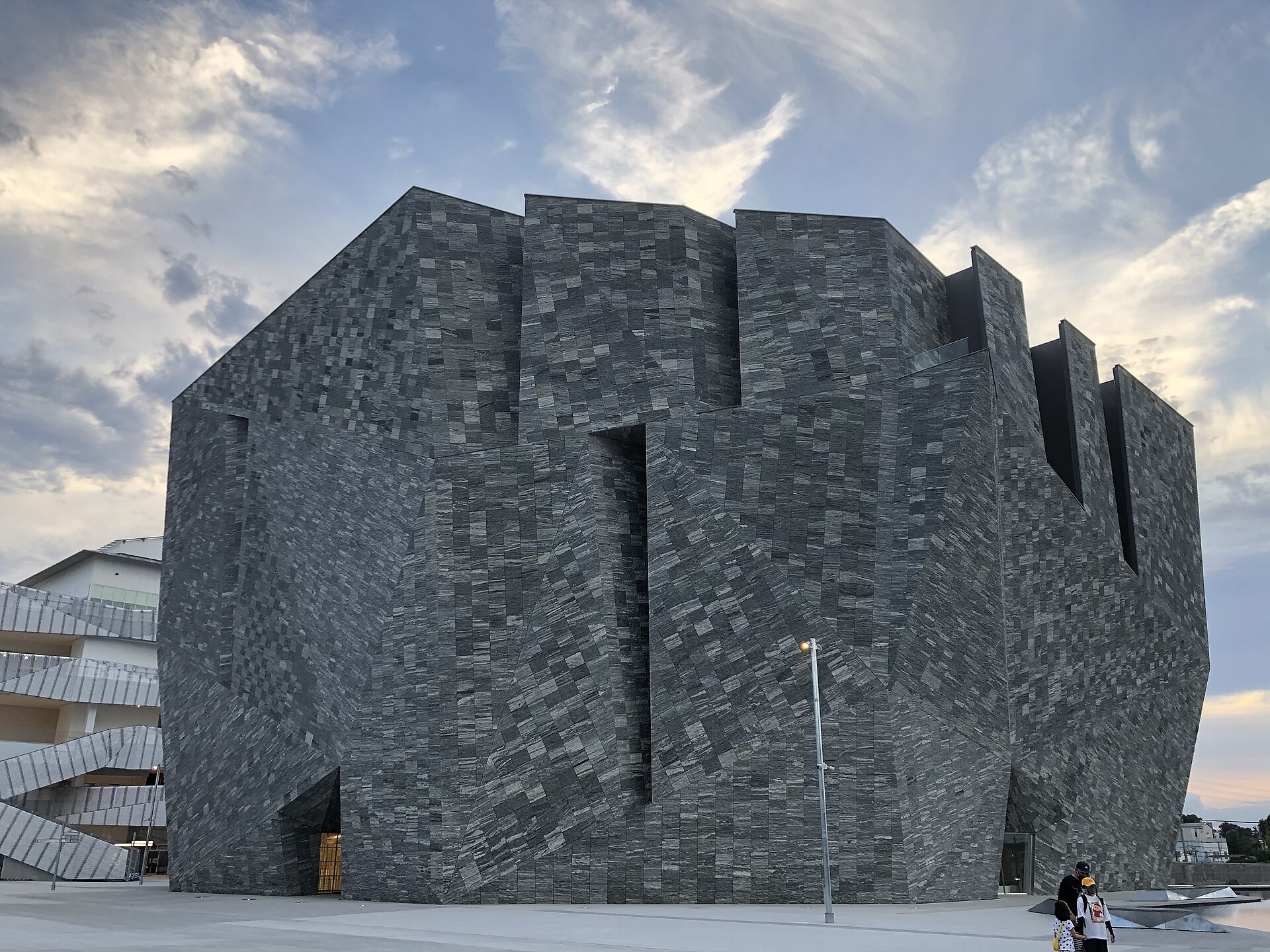
    The Kadokawa Culture Museum (Kadokawa Musashino Museum) is the landmark of Tokorozawa Sakura Town, a pop-culture complex created by the publisher KADOKAWA together with the city of Tokorozawa. It opened in 2020. The architect Kengo Kuma, who also designed Tokyo’s National Stadium, wrapped the 40-meter-tall museum in thousands of rough granite panels, creating an angular shape that changes as you walk around it.

    Inside: books, art and anime

    • Edit Town and Book Street: on the fourth floor, tens of thousands of books are arranged not by publisher or genre but by unexpected connections, inviting you to wander and discover. Many are on open shelves for browsing.
    • Bookshelf Theater: a soaring hall lined with wooden bookshelves about eight meters high. Projection mapping shows turn the walls of books into a moving artwork. It is the most photographed spot in the building.
    • Aramata Wunderkammer: a “cabinet of curiosities” of strange objects collected by the writer Hiroshi Aramata.
    • Galleries: changing exhibitions of art, manga, anime and design, including the EJ Anime Museum.

    Around the museum

    Tokorozawa Sakura Town also includes the striking Musashino Reiwa Shrine, shops, restaurants and an event hall. In the neighboring Higashi-Tokorozawa Park, the teamLab installation Resonating Life in the Acorn Forest lights up the trees at night.

    Practical information

    • Tickets are sold by area (for example, the Bookshelf Theater and Edit Town, or a specific exhibition). Check the official website for current prices and opening days.
    • Allow at least two hours inside.
    • Weekends can be busy; consider booking tickets online.

    Getting there

    Tokorozawa Sakura Town is about a 10-minute walk from JR Higashi-Tokorozawa Station on the Musashino Line. From central Tokyo, change at Minami-Urawa or Nishi-Kokubunji, or take a bus from Tokorozawa Station.

    Sources and further reading

    Featured image: Kaijooo / Wikimedia Commons (CC BY-SA 4.0). Practical details such as prices, hours and schedules change often. Please check the official sources before you travel.

  • Kitain Temple: 538 Stone Disciples and the Last Rooms of Edo Castle

    Kitain Temple: 538 Stone Disciples and the Last Rooms of Edo Castle

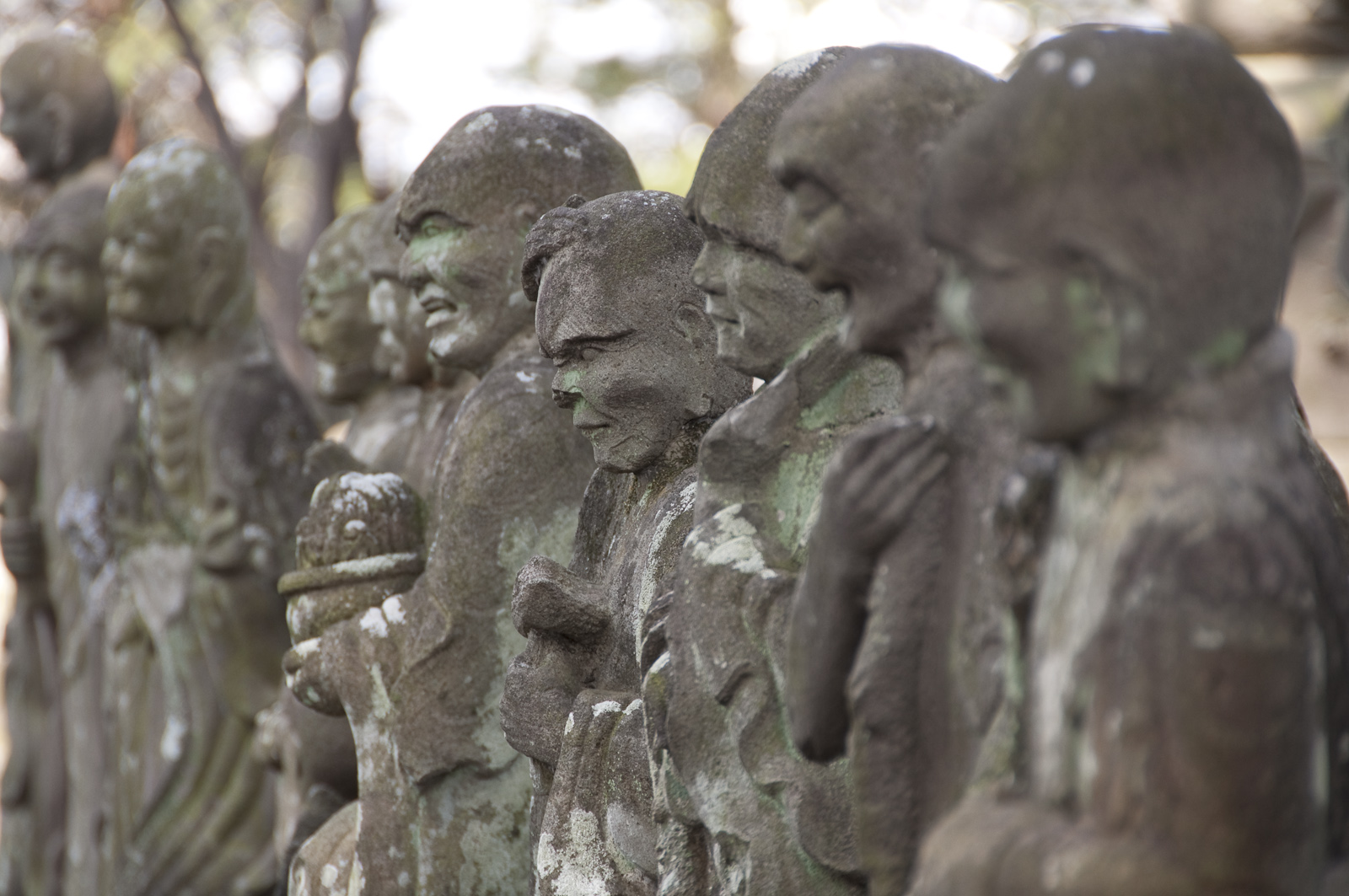
    Laughing, crying, drinking, whispering secrets, scratching an ear: the stone disciples of Kitain show every human emotion. Legend says that if you visit at night and touch their heads, one will feel warm, and it will look like someone you have lost.

    A temple of the shoguns

    Kitain traces its origins to 830 and is a leading temple of the Tendai school in the Kanto region, known locally as Kawagoe Daishi. In the early Edo period, the abbot Tenkai was a close advisor to the first three Tokugawa shoguns, and the temple enjoyed their support.

    When a fire destroyed most of Kitain in 1638, the third shogun, Iemitsu, had several palace buildings moved here from Edo Castle in Tokyo. Edo Castle itself was later lost to fires, the 1923 earthquake and war, so these rooms are the only surviving buildings of Edo Castle. One room, with a painted floral ceiling, is said to be where Iemitsu was born; others are linked to his wet nurse, Lady Kasuga.

    The Gohyaku Rakan

    Beside the temple are the Gohyaku Rakan (“500 arhats”): 538 stone statues of the disciples of the Buddha, carved between 1782 and 1825. No two are alike. Some are chatting, some sleeping, some reading or playing music. It is one of the three great rakan collections in Japan, and finding a statue that looks like you (or a friend) is part of the fun.

    Address1-20-1 Kosenba-machi, Kawagoe, Saitama
    AdmissionAbout 400 yen for adults (Edo Castle rooms, garden and rakan)
    HoursAround 9:00–16:00 (varies by season)
    AccessAbout 15 minutes on foot from Hon-Kawagoe Station or from the warehouse district

    Seasonal highlights

    • Spring: cherry blossoms around the temple and in the garden.
    • Early summer: hydrangeas.
    • January 3: the Daruma Market, one of the biggest in the Kanto region, sells lucky daruma dolls for the new year.

    Sources and further reading

    Featured image: Fg2 / Wikimedia Commons (Public domain). Practical details such as prices, hours and schedules change often. Please check the official sources before you travel.

  • The Kawagoe Festival: Battling Floats in Little Edo

    The Kawagoe Festival: Battling Floats in Little Edo

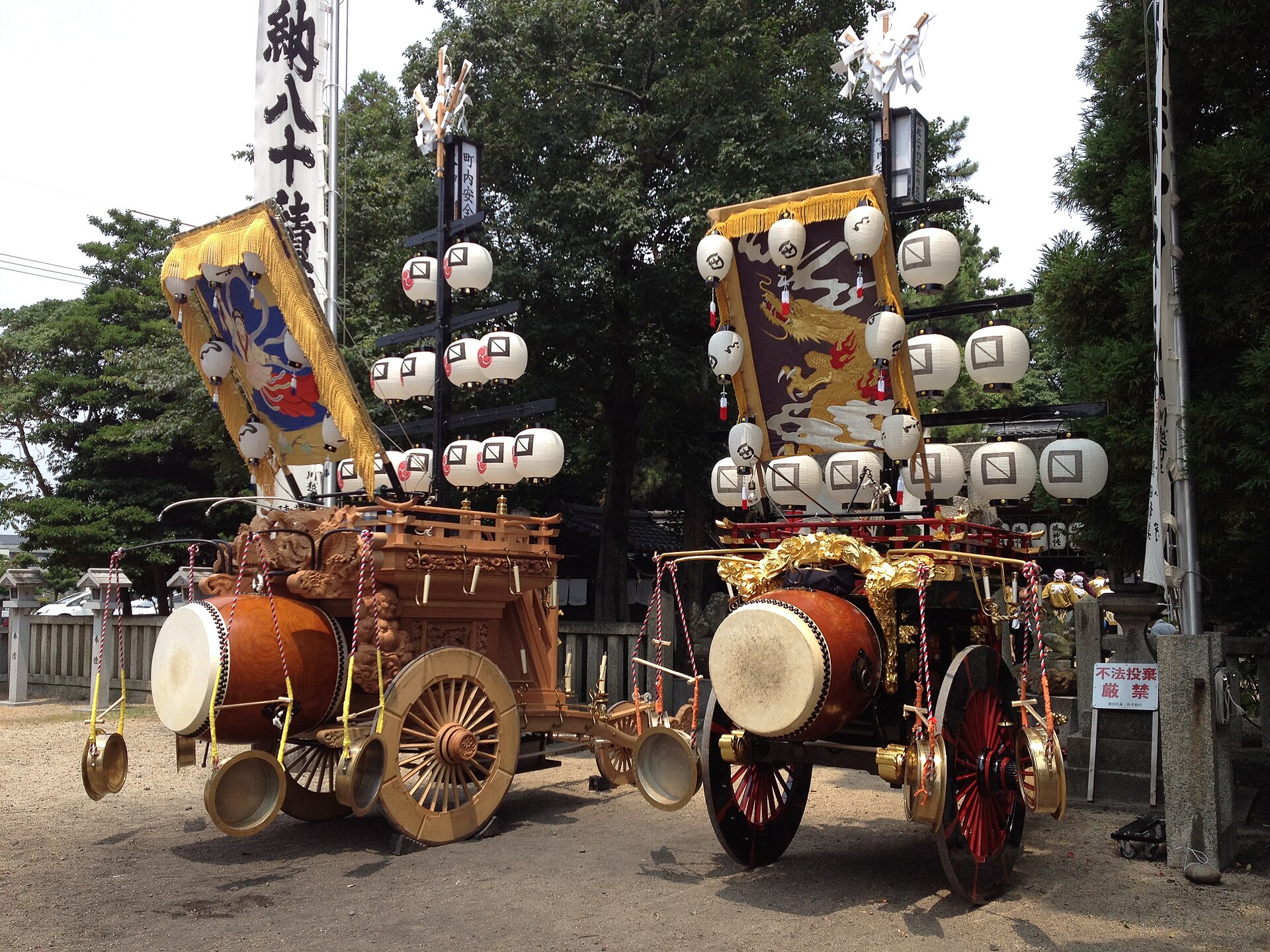
    When two towering floats meet at an intersection, they turn their stages to face each other. Drums pound, flutes shriek, masked dancers move faster and faster, and the crowd roars. This is hikkawase, the heart of the Kawagoe Festival.

    A festival with 370 years of history

    The Kawagoe Festival, officially the Kawagoe Hikawa Festival, is the autumn festival of Kawagoe Hikawa Shrine. It began in 1648, when the lord of Kawagoe Castle, Matsudaira Nobutsuna, donated a portable shrine and ritual objects to the shrine to boost the town’s economy. Merchants later added elaborate floats, modeled on the great festivals of Edo.

    In 2005 the float event was designated an Important Intangible Folk Cultural Property, and in 2016 it was inscribed on UNESCO’s Intangible Cultural Heritage list as part of the “Yama, Hoko, Yatai, float festivals in Japan”.

    What to see

    • The floats: each neighborhood has its own two-story float topped with a doll of a hero or legendary figure, decorated with carvings and embroidered curtains.
    • Jinkosai: the sacred procession in which the deity of Hikawa Shrine travels through town in a portable shrine.
    • Hikkawase: the musical “battles” between floats, which reach their climax in the evening when the floats are lit by hundreds of paper lanterns.
    DatesThird Saturday and Sunday of October every year
    WhereCentral Kawagoe, around the warehouse district and Hikawa Shrine
    AdmissionFree

    Tips

    • The evening hikkawase is the highlight. Stake out a spot near a main intersection.
    • Expect very large crowds and some road closures. Use trains rather than cars.
    • If you cannot come in October, visit the Kawagoe Festival Museum, where real floats are on display all year.

    Sources and further reading

    Featured image: 三塚 / Wikimedia Commons (CC BY-SA 4.0). Practical details such as prices, hours and schedules change often. Please check the official sources before you travel.

  • Kawagoe’s Kurazukuri Street, Bell Tower and Candy Alley

    Kawagoe’s Kurazukuri Street, Bell Tower and Candy Alley

    Black clay walls, heavy tiled roofs and a wooden bell tower ringing over the street: Kawagoe is called “Koedo”, Little Edo, and it lives up to the name.

    The warehouse district

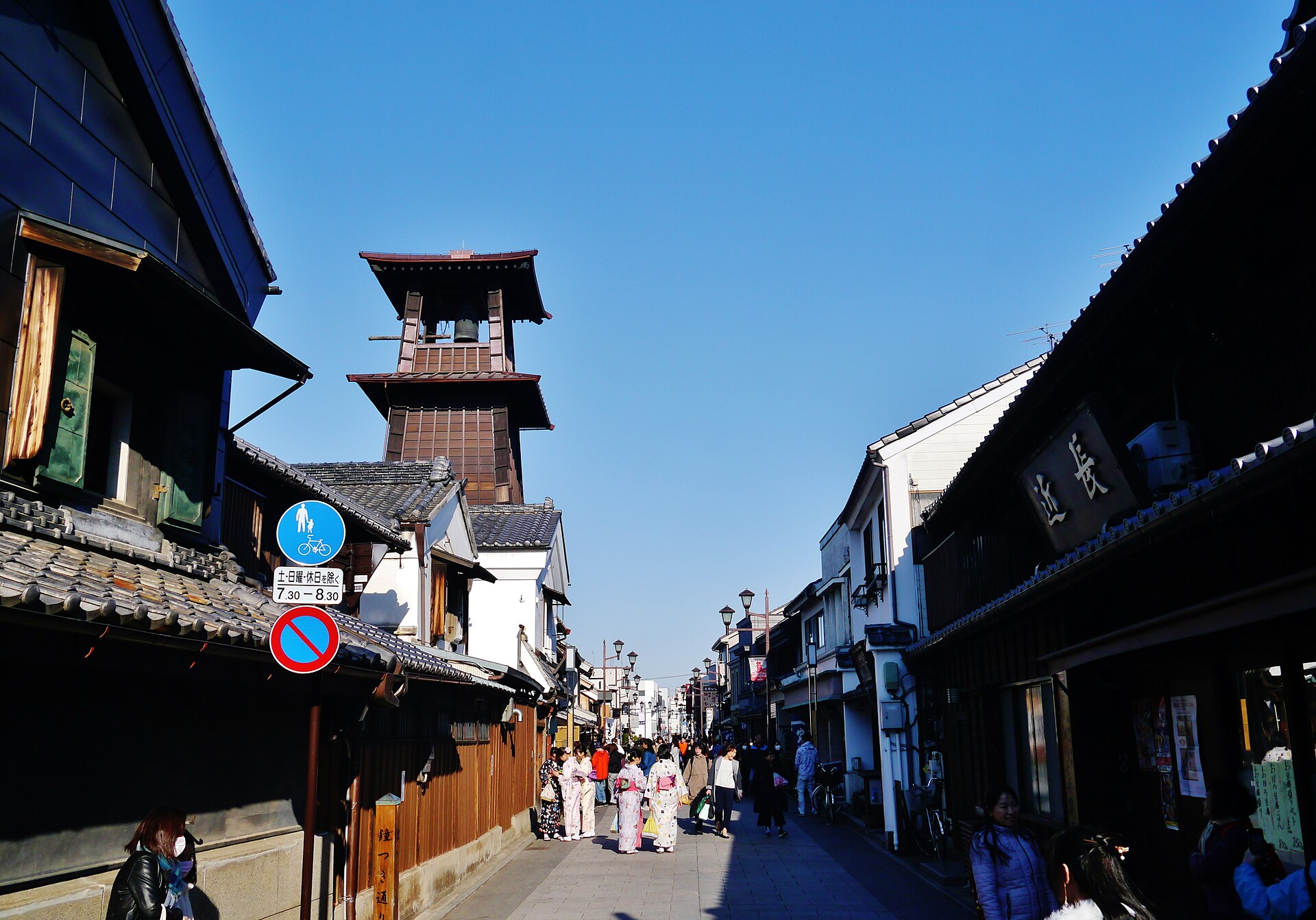
    Kawagoe grew rich as a castle town and as a trading center that supplied Edo (old Tokyo) by river. After a great fire swept the town in 1893, merchants rebuilt their shops in the fireproof kurazukuri style, with thick clay walls and heavy shutters. More than 200 of these buildings remain along Kurazukuri Street (Ichibangai) and nearby lanes, and most are now shops, cafes and restaurants.

    Look for the Osawa House, the oldest kurazukuri merchant house on the street, and the Kurazukuri Museum, set in an old tobacco wholesaler’s shop.

    Toki no Kane, the Bell of Time

    Just off the main street stands Toki no Kane, a three-story wooden bell tower about 16 meters tall. A bell tower has told the town the time here since the early Edo period; the current tower was rebuilt after the 1893 fire. Today the bell rings mechanically four times a day, at 6:00, 12:00, 15:00 and 18:00, and its sound was chosen as one of the “100 Soundscapes of Japan”.

    Kashiya Yokocho, Candy Alley

    A short walk away, Kashiya Yokocho is a narrow lane of small shops selling old-fashioned Japanese sweets and snacks, a tradition dating back to the Meiji era. Kawagoe is also famous for sweet potatoes: try sweet potato ice cream, chips and imo kenpi as you walk.

    Tips

    • Weekends are very crowded. Arrive early, or come on a weekday.
    • Rent a kimono for the day; several shops near the bell tower offer rentals.
    • Walk Taisho Roman Street between Hon-Kawagoe Station and the warehouse district for early-20th-century architecture.
    • Add Kitain Temple and the Kawagoe Hikawa Shrine to your day.

    Getting there

    From Ikebukuro, take the Tobu Tojo Line to Kawagoe or Kawagoeshi Station (about 30 minutes), or the Seibu Shinjuku Line from Seibu-Shinjuku to Hon-Kawagoe. From Kawagoe Station, buses run to the Ichibangai stop near the bell tower.

    Sources and further reading

    Featured image: Zairon / Wikimedia Commons (CC BY-SA 4.0). Practical details such as prices, hours and schedules change often. Please check the official sources before you travel.